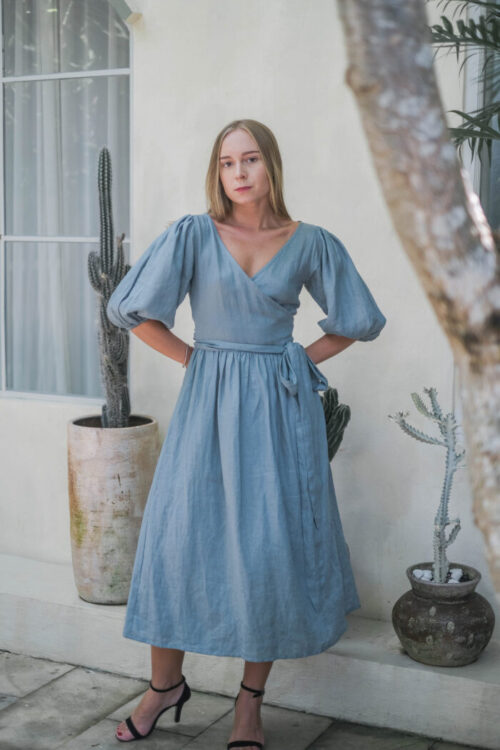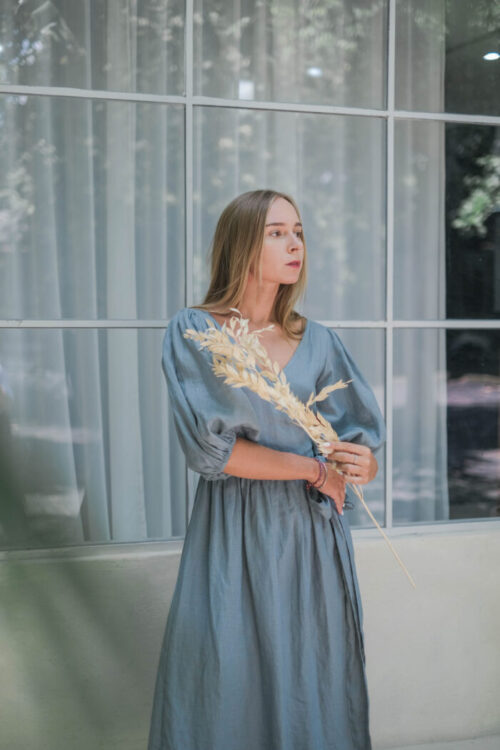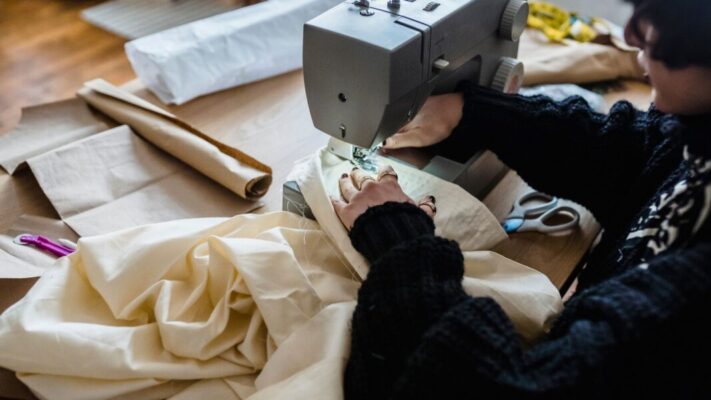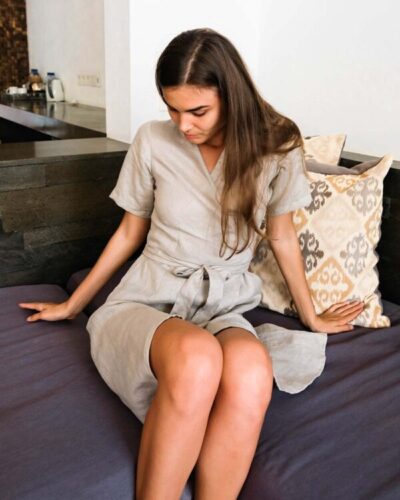
Linen cotton is a blended fabric that combines fibers derived from flax plants with cotton fibers to create a textile that harmonizes structure, breathability, softness, and durability. This blend was developed to soften the traditionally crisp and sometimes stiff nature of linen while preserving its cooling performance and natural elegance. At the same time, it enhances cotton’s breathability and freshness, making the resulting fabric particularly suitable for warm climates and year-round comfort.
The fabric offers a refined yet relaxed aesthetic. It carries the organic texture and matte finish of linen combined with the smoothness and approachability of cotton. This balance allows linen cotton to be used in both casual and elevated fashion segments, from resort wear and summer tailoring to everyday lifestyle garments and interior textiles.
Linen cotton is valued not only for how it looks and feels but also for how it performs over time. It becomes softer with each wash while maintaining its structural integrity and breathable nature. This combination of longevity and comfort makes it a preferred fabric for brands focused on timeless design, natural materials, and responsible production.
Fiber Composition and Yarn Structure
Linen cotton is produced by blending linen fibers from flax plants with cotton fibers in specific ratios depending on the intended performance. Common blends range from 55% linen / 45% cotton to 70% cotton / 30% linen. A higher linen content produces a crisper, more textured fabric with superior cooling properties, while higher cotton content results in a softer, smoother, and more flexible hand feel.
The fibers are blended at the spinning stage and twisted into yarns before being woven or knitted. This blending ensures that the qualities of both fibers are integrated throughout the fabric rather than layered or separated.
The fabric is typically woven in a plain weave for lightweight shirts and dresses, a twill weave for trousers and jackets, or occasionally in basket or dobby structures for added texture and interest. These constructions influence drape, thickness, and durability, allowing linen cotton to be adapted across a wide range of applications.
Comfort and Climate Performance
One of linen cotton’s most defining features is its excellent breathability. Linen fibers have a hollow structure that allows air to pass through easily, while cotton enhances moisture absorption. Together, they create a fabric that efficiently regulates body temperature and keeps the wearer cool and dry.
This makes linen cotton particularly suitable for hot and humid environments, as it reduces heat retention and helps prevent discomfort caused by perspiration. The fabric absorbs moisture quickly and releases it back into the air, allowing it to dry faster than cotton alone.
Despite its breathability, linen cotton also provides moderate insulation, making it comfortable in cooler weather when layered. This adaptability across seasons enhances its versatility for fashion and lifestyle use.
Durability and Wear Performance
Linen is one of the strongest natural fibers, contributing excellent tensile strength to the blend. This increases resistance to tearing, abrasion, and stretching, helping garments maintain their shape over time.
Cotton adds softness and flexibility, reducing the brittleness that can sometimes occur in pure linen fabrics. The blend is therefore more resistant to fiber breakage and surface damage, extending the lifespan of garments and reducing the need for frequent replacement.
Over time, linen cotton fabrics soften naturally without losing strength. This aging process improves comfort and creates a lived-in, premium feel that many consumers appreciate.
Fashion and Lifestyle Applications
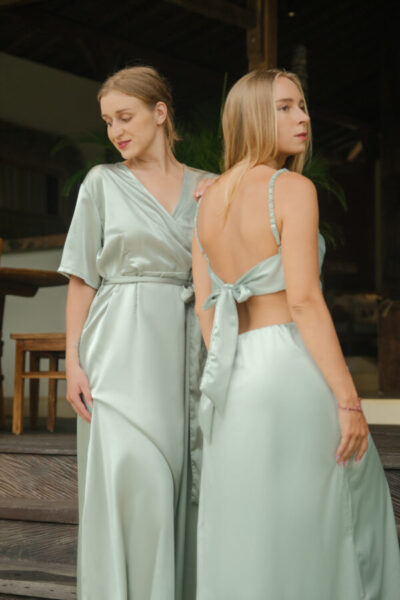
Linen cotton is widely used for shirts, blouses, dresses, skirts, trousers, and relaxed jackets. It is also popular for summer suits, resort wear, and casual tailoring.
In home textiles, linen cotton is used for bedding, table linens, cushion covers, and curtains because of its breathability, durability, and natural appearance.
It is also used for accessories such as scarves, tote bags, and hats, where strength and lightness are both required.
Care and Maintenance
Linen cotton should be washed in cold or lukewarm water with mild detergent. High heat should be avoided to prevent shrinkage and fiber damage. Air drying or tumble drying on low heat is recommended. Ironing is easiest when the fabric is slightly damp, and steam helps restore smoothness while preserving texture.
Proper care ensures that linen cotton garments retain their shape, color, and comfort while continuing to soften over time.
Linen cotton offers a refined balance between freshness and softness, structure and comfort, and tradition and modern practicality. It is an ideal fabric for warm-weather garments, lifestyle collections, and sustainable fashion concepts.
By combining the strengths of linen and cotton, linen cotton delivers a natural, breathable, and durable textile solution suited to contemporary fashion and responsible production.