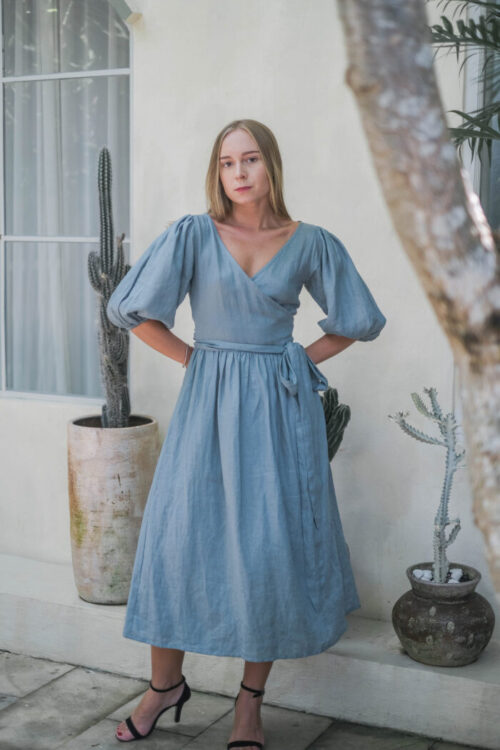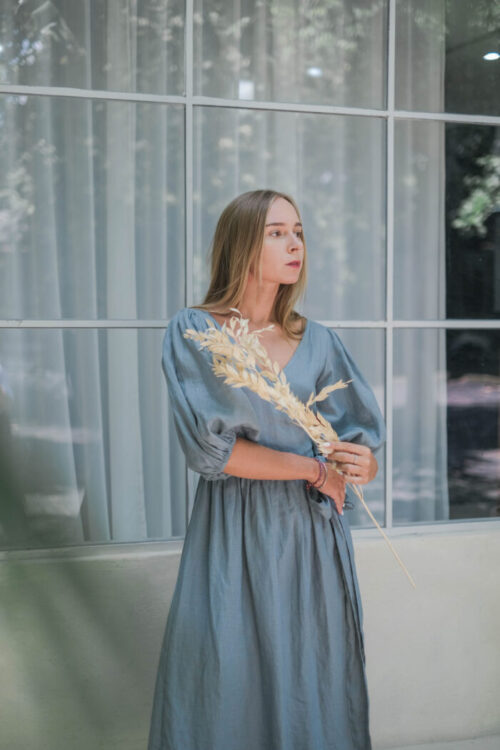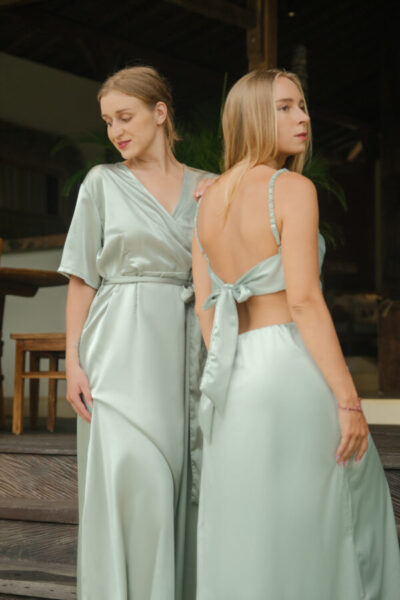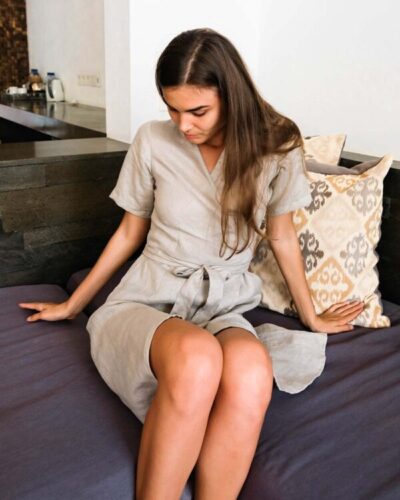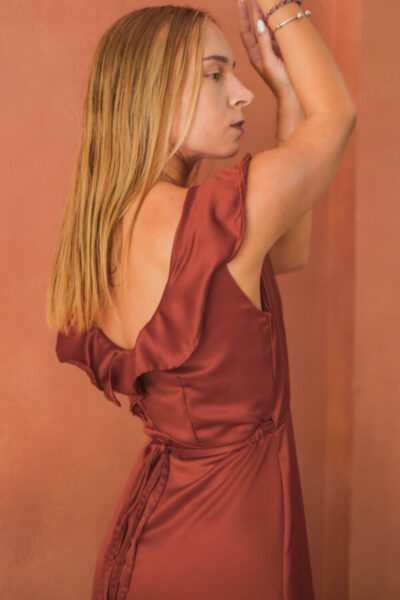
Rayon Linen is a blended fabric combining natural linen fibers with rayon, a regenerated cellulose fiber derived from plants. The blend brings together the crisp, breathable texture of linen with the softness, smoothness, and drape of rayon. The resulting fabric is lightweight, comfortable, and visually appealing, balancing the slightly coarse texture of linen with the refined hand feel of rayon.
This combination creates a versatile fabric suitable for both casual and semi-formal garments. Rayon Linen retains the natural appearance and breathability of linen while improving fluidity, reducing stiffness, and enhancing wearability. It is ideal for garments that require structure without sacrificing softness, making it popular in warm-weather clothing and fashion collections that prioritize comfort and style.
Linen has a history dating back thousands of years, prized for its strength, breathability, and natural luster. Historically, it was used in warm climates for undergarments, everyday clothing, and ceremonial attire. Rayon was developed in the late 19th and early 20th centuries as a cost-effective alternative to silk, allowing more people to enjoy soft, smooth fabrics with excellent drape.
The combination of rayon and linen emerged as designers sought fabrics that merged the best qualities of both fibers: linen’s crisp structure and breathability with rayon’s softness and fluidity. Rayon Linen became popular in fashion collections focused on lightweight, comfortable clothing for warm climates, including shirts, dresses, trousers, and tunics. It offers an affordable, wearable alternative to pure linen while maintaining the aesthetic of natural fibers.
Key Characteristics
Rayon Linen is known for its breathable, lightweight, and slightly textured surface. The linen component gives the fabric a natural, rustic appearance with visible fiber slubs, while the rayon contributes smoothness, softness, and drape. This combination results in a fabric that feels comfortable against the skin while maintaining an airy and sophisticated look.
The fabric generally has a medium weight, making it suitable for loose-fitting garments, summer apparel, and layered styles. Rayon Linen is also known for its moisture-absorbing properties, which help keep the wearer cool in warm weather. The fabric’s texture adds visual depth while allowing easy movement, making it an ideal choice for relaxed and comfortable silhouettes
Best Uses Of Rayon Linen
Rayon Linen is widely used in fashion garments where comfort, breathability, and casual elegance are desired. Common applications include shirts, blouses, dresses, tunics, wide-leg pants, jackets, and lightweight coats. Its combination of softness and structure makes it versatile for both relaxed and tailored designs.
The fabric is also popular for warm-weather wear, resort collections, and transitional wardrobe pieces. Designers often select Rayon Linen for garments that need to maintain a crisp, natural appearance while offering enhanced softness and movement compared to pure linen. Its adaptable nature makes it suitable for both daywear and semi-formal occasions.
Key Variations Of Linen Rayon
Linen rayon fabric comes in a range of variations depending on fiber composition, weight, texture, and finishing. The ratio of linen to rayon can be adjusted to achieve different levels of softness, breathability, and surface character, with higher linen content creating subtle slubs and a more natural texture, while higher rayon content results in a smoother feel and better drape. Fabric weight ranges from lightweight options suitable for blouses and scarves to medium-weight versions used for dresses and pants. Linen rayon is available in solid-dyed, printed, or digitally patterned designs, and may feature finishes such as soft-washed, lightly brushed, or semi-structured to suit different styles. Some variations are also blended with spandex to add flexibility, while standard versions remain non-stretch for a more classic silhouette.
Advantages
One of the primary advantages of Rayon Linen is its ability to combine the natural appeal of linen with the comfort and drape of rayon. It offers a breathable, lightweight fabric suitable for warm weather while avoiding the stiffness often associated with pure linen. The blend creates a soft, smooth hand feel, making garments comfortable for extended wear.
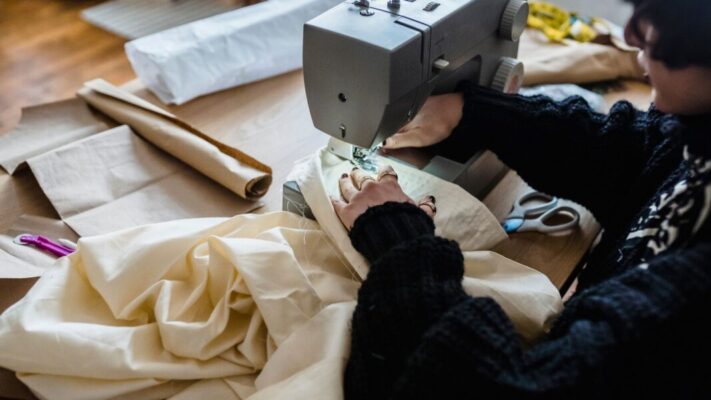
Another advantage is its versatility. Rayon Linen holds shape well, is easy to sew, and drapes naturally, making it suitable for a wide range of garment styles. It also absorbs dye well, resulting in vibrant, long-lasting colors. The combination of natural texture and softness allows it to be used in both casual and slightly more formal designs, making it a practical choice for designers and consumers alike.
Unique Features
Rayon Linen stands out for its harmonious balance between texture and softness. Unlike pure linen, which can feel coarse, the addition of rayon gives the fabric a smoother surface while retaining the natural, slightly irregular appearance of linen fibers. This combination creates garments that feel elegant, airy, and wearable.
Another unique feature is its adaptability across fashion categories. Rayon Linen works well in casual wear, resort wear, office-ready styles, and semi-formal clothing. Its breathable nature, natural aesthetic, and improved drape allow it to be styled in both relaxed and polished silhouettes, giving designers flexibility in garment creation.
Modern Fashion Trend
Rayon Linen is increasingly embraced in modern fashion for sustainable, breathable, and comfortable wardrobes. Designers favor it in summer collections, resort lines, and casual tailoring, where the combination of softness and structure enhances the garment’s wearability. It pairs well with loose, flowing silhouettes and minimalistic design trends.
Consumers are drawn to Rayon Linen for its combination of comfort, style, and natural appearance. Its ability to offer airy, breathable wear while maintaining a polished look aligns with trends emphasizing practicality, sustainability, and effortless elegance. It continues to be a go-to fabric for warm-weather and versatile wardrobes.
Care and maintenance Of Linen Rayon
Linen rayon fabric should be washed gently in cold or lukewarm water using a mild detergent formulated for delicate fabrics, while bleach and harsh chemicals should be avoided to protect the fibers. Do not wring or twist the fabric; instead, gently remove excess water and air dry or hang dry to maintain its shape and texture. If ironing is needed, use low to medium heat from the reverse side. Garments should be stored folded or carefully hung to prevent creasing and distortion over time.