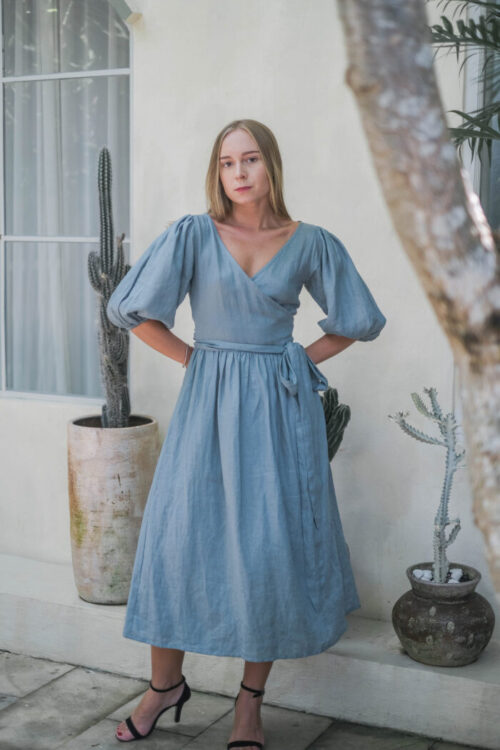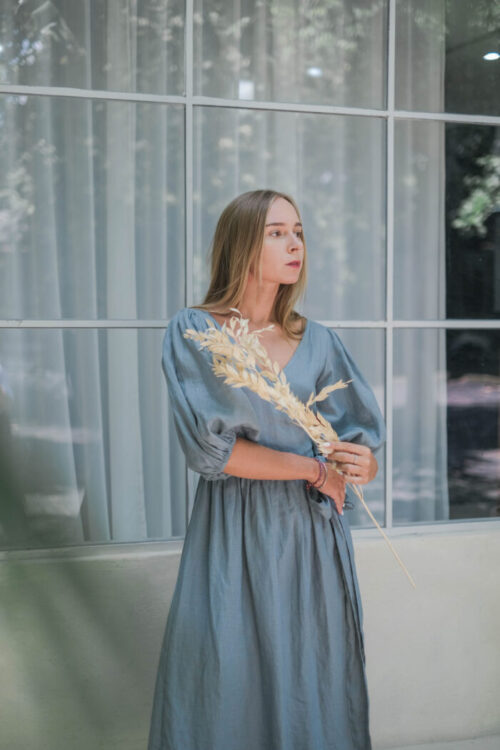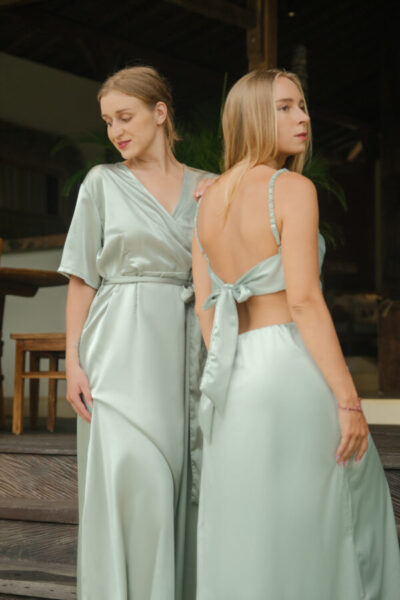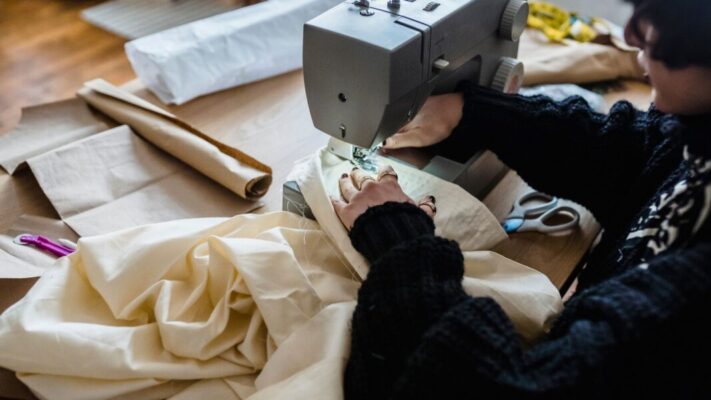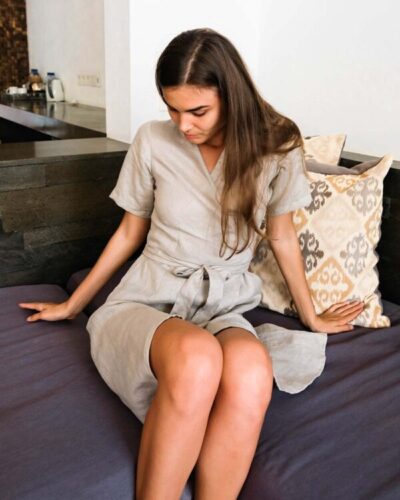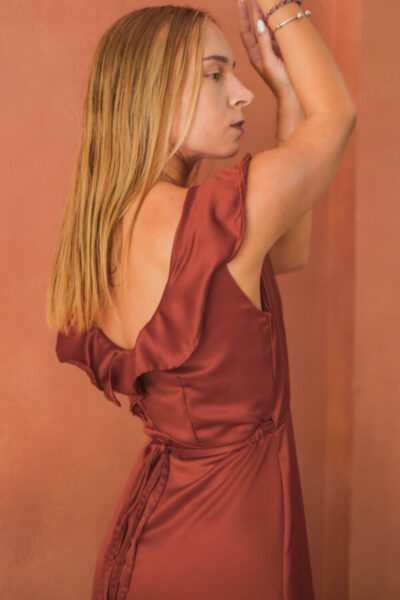
Silk rayon is a blended fabric that combines natural silk fibers with rayon fibers derived from regenerated cellulose. This blend is designed to balance luxury and practicality, offering the elegant appearance and smooth touch of silk together with the softness, breathability, and improved affordability of rayon. The result is a refined textile that delivers fluid drape, visual richness, and enhanced wear comfort while remaining more accessible and versatile than pure silk.
Silk rayon fabrics are widely appreciated for their graceful movement and soft hand feel. They retain silk’s natural luster and elegance while reducing some of the delicacy and high maintenance traditionally associated with pure silk. This makes silk rayon an ideal choice for garments that require sophistication, comfort, and everyday wearability.
The fabric carries a refined aesthetic suitable for both formal and relaxed designs, bridging the gap between luxury fashion and modern lifestyle apparel.
Silk rayon is produced by blending silk fibers with rayon fibers in varying proportions, commonly ranging from 20-40% silk combined with 60–80% rayon, depending on the desired balance between luxury appearance and softness. Silk contributes natural protein-based fibers known for their smoothness, luster, and strength, while rayon adds flexibility, moisture absorption, and fluid drape.
The fibers are blended during yarn spinning or combined during weaving, then constructed into fabric using structures such as satin weave, crepe weave, twill, or plain weave. The chosen weave significantly influences the final texture, sheen, and drape of the fabric.
Rayon fibers soften the overall hand feel and reduce stiffness, while silk enhances visual depth and surface elegance. This structural balance results in a fabric that flows beautifully while remaining comfortable and wearable.
Comfort and Climate Performance
Silk rayon performs well across a range of climates due to its breathable and moisture-regulating properties. Silk naturally adjusts to body temperature, while rayon efficiently absorbs and releases moisture, helping keep the skin dry and comfortable.
The fabric feels cool and smooth against the skin, making it suitable for warm-weather garments as well as layered designs. Unlike many synthetic blends, silk rayon allows air circulation, preventing overheating and discomfort during extended wear.
This balance of comfort and elegance makes silk rayon particularly suitable for garments worn close to the body or for long periods.
Compared to pure silk, silk rayon offers improved durability and easier maintenance. Rayon adds flexibility and reduces the brittleness sometimes associated with silk, making the fabric more resistant to everyday wear.
While silk rayon is still considered a delicate fabric, it is less prone to creasing and surface damage than pure silk when handled properly. Over time, the fabric maintains its drape and softness, making it suitable for repeated use in premium apparel collections.
Visual and Aesthetic Qualities
Silk rayon has a refined surface with a soft natural sheen that is less glossy than pure silk but more luminous than standard rayon. This subtle luster creates an elegant, understated appearance suitable for both daytime and evening wear.
The fabric holds dyes well, producing rich, saturated colors with smooth tonal transitions. It is especially effective for solid colors, soft prints, and flowing silhouettes that highlight movement and drape.
Designers often favor silk rayon for its ability to convey luxury without excessive shine or stiffness.
Fashion and Lifestyle Applications
Silk rayon is commonly used for dresses, blouses, skirts, scarves, and lightweight trousers. It is especially popular for occasion wear, resort wear, and contemporary fashion collections that require fluid silhouettes and refined texture.
The fabric is also used in linings, overlays, and layered garments where softness and movement are essential. In lifestyle collections, silk rayon appears in elegant loungewear and premium casual designs.
Silk is a natural, biodegradable fiber, while rayon is derived from renewable cellulose sources such as wood pulp. When responsibly sourced and processed, silk rayon represents a more environmentally conscious alternative to fully synthetic luxury fabrics.
The blend allows reduced silk content while maintaining a luxurious appearance, helping balance resource use and performance.
Care and Maintenance
Silk rayon should be handled with care to preserve its appearance and performance. Hand washing in cold water or professional dry cleaning is recommended. Mild detergent should be used, and the fabric should not be wrung or twisted. Air drying away from direct sunlight is preferred, and ironing should be done on low heat using a pressing cloth.
Proper care ensures that silk rayon retains its softness, sheen, and drape over time.
Silk rayon represents a harmonious blend of elegance and practicality. By combining silk’s luxurious appearance with rayon’s softness and comfort, it offers a versatile fabric that meets the needs of modern fashion and lifestyle design.
It is an ideal choice for brands and designers seeking refined aesthetics, fluid movement, and improved wearability without sacrificing sophistication.