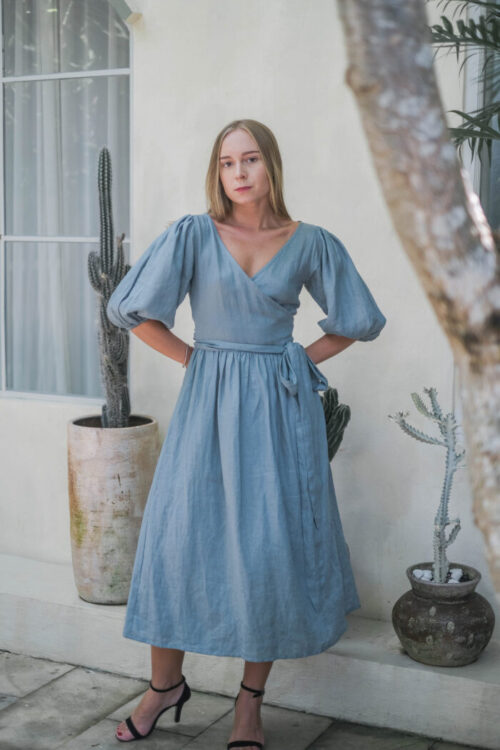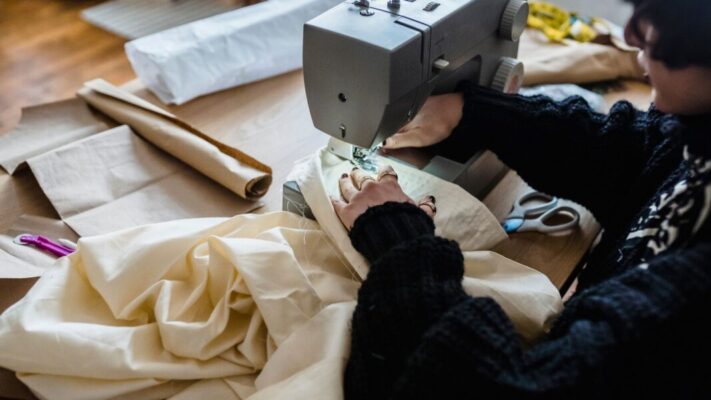
Bali has long been known for its artistic heritage, from intricate weaving to hand-embroidery. This deep-rooted culture of craftsmanship provides an ideal foundation for ethical clothing production. Local artisans bring generations of skill and attention to detail, creating garments that are not only high-quality but also culturally meaningful. By integrating these traditional techniques into modern fashion manufacturing, Bali is able to offer products that combine authenticity, artistry, and ethical production standards.
Emphasis on Fair Labor Practices
Ethical production begins with people. Many Bali garment factories prioritize fair labor practices, ensuring safe working conditions, fair wages, and respect for employees’ rights. Unlike some large-scale overseas manufacturers that rely on exploitative labor, ethical factories in Bali maintain transparency and accountability in their workforce. This approach not only supports the local economy but also enhances brand credibility for fashion companies looking to align with socially responsible practices. Consumers increasingly value this commitment to human rights, and working with Bali-based ethical manufacturers helps brands meet these expectations.
Sustainable Fabric Choices
Bali’s ethical garment production is often paired with eco-conscious fabric sourcing. Factories commonly use natural fibers like linen, cotton, bamboo, and regenerated materials such as eco-friendly rayon. These fabrics reduce environmental impact compared to synthetic alternatives and align with slow fashion principles. By combining sustainable materials with skilled craftsmanship, Bali’s manufacturers produce garments that are durable, biodegradable, and environmentally responsible. For brands, this represents an opportunity to offer fashion that balances style, quality, and ethics.
Small-Batch Production and Low Waste
Many ethical clothing manufacturers in Bali emphasize small-batch production, allowing designers to produce only what is needed. Low minimum order quantities reduce overproduction and excess inventory, which are significant sources of waste in conventional fashion. Factories often implement efficient cutting techniques and repurpose fabric offcuts, further minimizing environmental impact. This commitment to reducing waste ensures that garments are produced responsibly from both a social and environmental perspective.
Collaboration with Conscious Brands
Bali’s garment industry increasingly works with brands that prioritize sustainability and ethical values. Manufacturers provide guidance on fabric selection, efficient production processes, and techniques that limit waste. This collaborative approach ensures that ethical principles are maintained throughout design, sampling, and bulk production. Brands that partner with Bali factories benefit from both the local expertise and the ethical standards that resonate with global consumers.
Transparency and Traceability
Ethical production requires transparency, and Bali-based manufacturers often provide clear visibility into their supply chains. Brands can track how materials are sourced, understand labor practices, and monitor production processes. This level of traceability builds trust with conscious consumers who want to know the story behind their clothing. For fashion labels, working with transparent manufacturers helps reinforce their commitment to sustainability and accountability.
Global Recognition and Market Demand
Bali’s reputation as a center for ethical and sustainable fashion is growing internationally. Designers and brands from Australia, Europe, and the United States are increasingly sourcing garments from Bali to meet consumer demand for responsible products. Ethical clothing produced in Bali combines craftsmanship, environmental stewardship, and social responsibility qualities that resonate in global markets and elevate a brand’s positioning. Bali’s role in ethical clothing production is expanding, driven by skilled artisans, fair labor practices, sustainable fabrics, and conscious manufacturing processes. The island represents a unique intersection of tradition and modern ethical standards, offering designers the opportunity to create garments that are high-quality, stylish, and responsible. For fashion brands, partnering with Bali-based manufacturers provides a practical and impactful way to align with global sustainability trends while supporting local communities and preserving the island’s rich heritage.