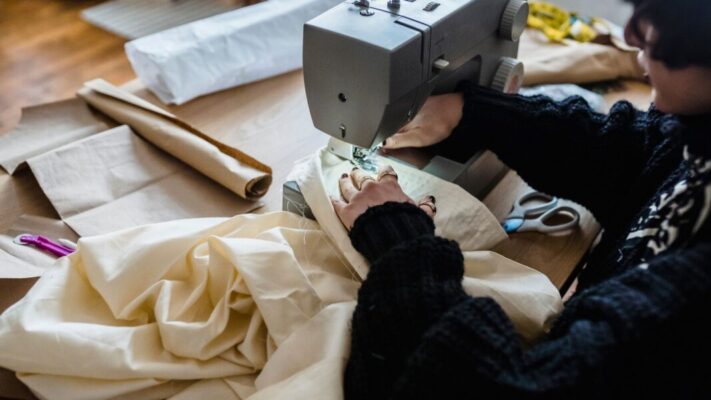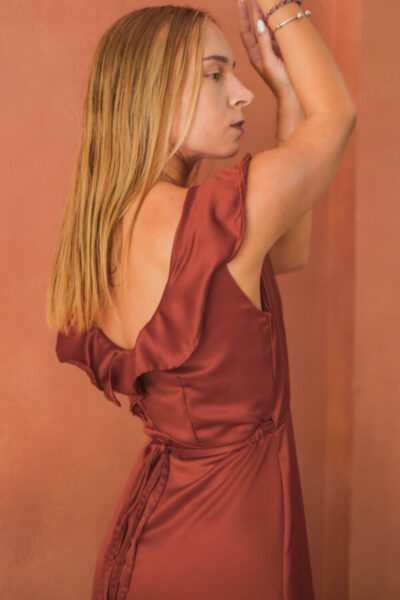
Hotel and resort uniforms in Bali have evolved beyond mere workwear. In a destination known for its rich culture, tropical climate, and luxury hospitality, uniforms play an important role in shaping guest perceptions. Today’s trends blend practicality with aesthetics, ensuring that staff uniforms are comfortable in Bali’s warm, humid weather while also aligning with the property’s brand identity. Whether for boutique hideaways, beachfront resorts, or world‑class hotels, uniforms increasingly reflect a balance of style, cultural resonance, and performance.
Comfort and Climate‑Responsive Fabrics
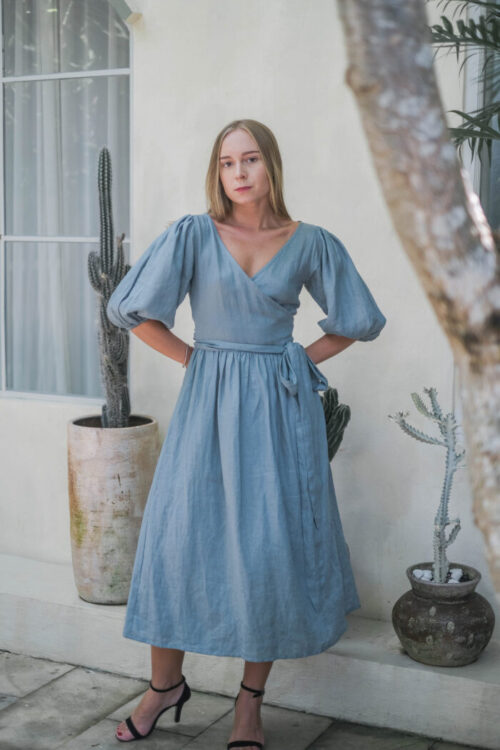
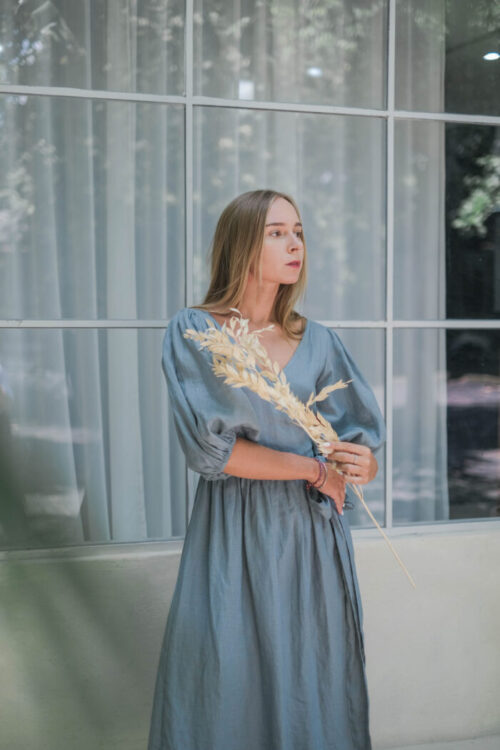
In Bali’s tropical environment, fabrics that breathe and wick moisture are essential. Linen continues to be a top choice due to its natural cooling properties, soft texture, and effortless drape. Rayon and rayon blends are also popular for their lightweight feel and fluid movement. These fabrics not only enhance comfort during long shifts in warm weather but also contribute to an elevated, elegant appearance. The trend of prioritizing comfort without compromising on style reflects a broader shift in hospitality wear where performance and presentation coexist seamlessly.
Sustainable and Eco‑Conscious Design
Sustainability is no longer a niche trend; it’s a defining principle in hospitality uniforms. Many hotels and resorts in Bali are adopting eco‑friendly fabrics such as organic cotton, Tencel, linen, and responsibly produced rayon. Sustainable dyeing methods and low‑waste production techniques are also becoming standard practices. Guests today appreciate brands that demonstrate environmental responsibility, and uniforms made from sustainable materials subtly reinforce this message throughout the guest experience.
Blending Traditional Aesthetics with Modern Style
Balinese culture is rich in tradition and artistry, and recent uniform trends incorporate these elements tastefully. Subtle patterns inspired by Balinese motifs, muted earthy tones, and handcrafted details like embroidery or woven trims bring a sense of place to modern uniform designs. This cultural infusion adds authenticity while maintaining a polished, contemporary look. For resorts that emphasize local experience and cultural storytelling, these decor‑inspired design choices help uniforms feel like an extension of the property’s narrative.
Department‑Specific Uniform Identities
Another trend in Bali’s hospitality scene is tailoring uniforms to specific departments while maintaining overall brand consistency. Front‑of‑house staff might wear refined, tailored pieces that convey professionalism and approachability. Spa and wellness teams often feature softer, minimal designs that reflect tranquility and comfort. Service or kitchen staff benefit from practical styles with durable fabrics and easy‑care finishes. This approach allows each team to feel confident in attire suited to their role, while still contributing to a unified brand aesthetic across the resort.
Gender‑Inclusive and Flexible Styling
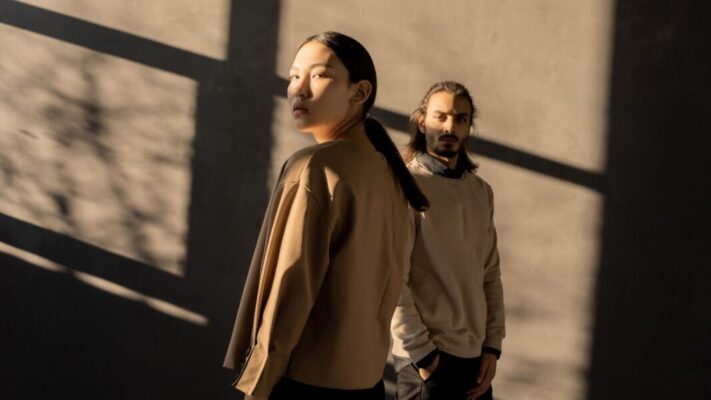
Modern hospitality wear trends emphasize inclusivity and adaptability. Hotels and resorts are moving away from rigid gendered designs toward flexible styles that can be worn comfortably by all staff members. Adjustable fits, unisex silhouettes, and customizable elements allow uniforms to accommodate diverse body types and personal comfort preferences. This inclusive approach not only reflects evolving societal expectations but also supports better morale and performance among staff.
Functional Details That Enhance Performance
Functional design elements are gaining prominence in Bali’s hotel and resort uniforms. Breathable panels, stretchable fabric blends, concealed pockets, and ergonomic cuts allow staff to move more freely and perform demanding tasks with ease. These thoughtful details ensure that uniforms are not just visually appealing, but also practical and durable critical for the dynamic pace of hospitality environments. As hotels prioritize both guest experience and employee comfort, functional aesthetics become an essential part of uniform design.
Coordinated Branding Across Guest Touchpoints
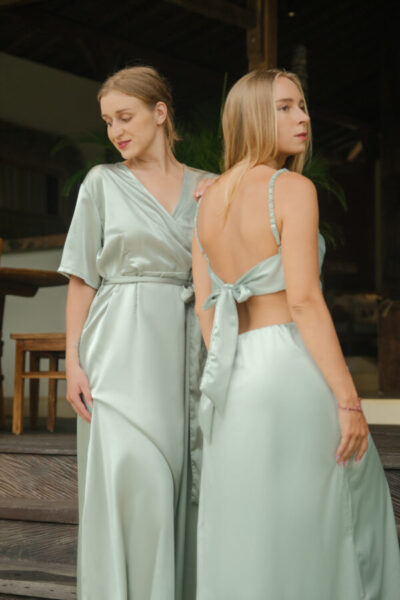
Uniforms today are designed to complement a property’s visual language from interior color schemes to signage and overall aesthetic. Coordinated branding ensures that uniforms feel like an integrated part of the guest journey. Soft neutrals for luxury beach resorts, vibrant hues for boutique lifestyle hotels, and classic tailoring for heritage properties create visual coherence throughout the guest experience. This holistic approach strengthens brand recall and helps guests feel connected to the resort’s identity from check‑in to departure.
Evolving with Global Hospitality Standards
Bali is deeply connected to the global hospitality market, and uniform trends reflect this cross‑influence. International standards for professionalism, comfort, and sustainability are shaping local practices. Resorts that cater to a global audience often adopt contemporary uniform strategies that balance global sophistication with local cultural elements. This fusion creates uniforms that resonate with international guests while preserving Bali’s unique charm. Uniform trends for Bali hotels and resorts are driven by a blend of practical needs and aesthetic aspirations. From breathable, climate‑friendly fabrics and sustainable materials to culturally inspired design details and functional performance features, today’s uniforms go beyond traditional workwear. They reflect a thoughtful balance of comfort, brand identity, and contemporary style. As Bali’s hospitality industry continues to innovate, uniforms remain a dynamic canvas for expressing values, enhancing guest experiences, and celebrating the intersection of fashion and function.