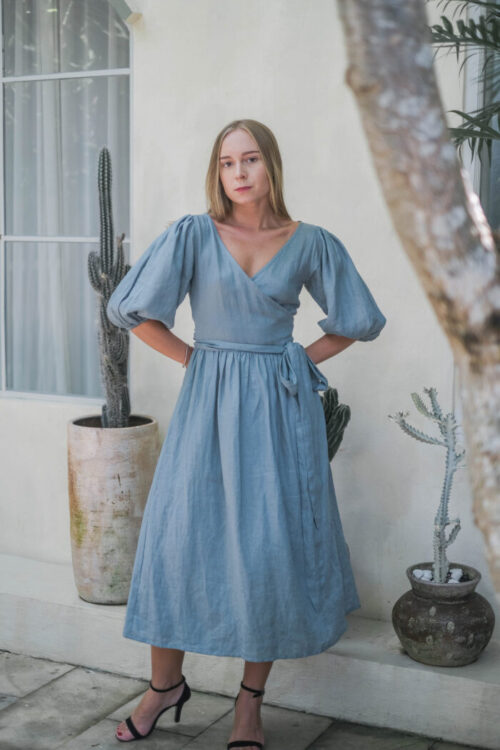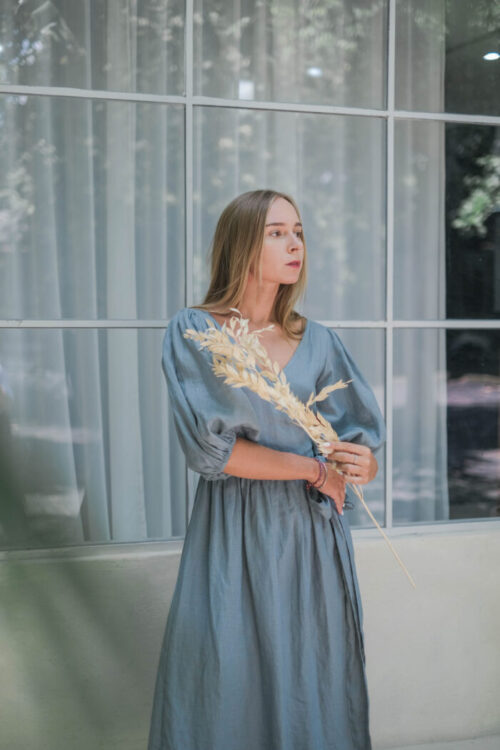
In resorts, uniforms are often the first visual cue that sets the tone for the guest experience. From the moment a guest steps into the lobby, staff attire communicates professionalism, attention to detail, and the resort’s overall standard of service. Well-designed uniforms immediately create a sense of trust and expectation, signaling that the property values both its guests and its brand image. In tropical destinations like Bali, uniforms that are stylish yet climate-appropriate further enhance this first impression.
Reflecting the Resort’s Brand Identity
Uniforms are a visible extension of a resort’s identity. Colors, fabrics, cuts, and design elements all work together to tell a story about the property’s style and ethos. For example, soft neutrals may convey understated elegance, vibrant colors may suggest energy and creativity, and tailored silhouettes communicate luxury and professionalism. When staff uniforms align with the resort’s branding, guests experience a cohesive environment where every detail reinforces the property’s personality and attention to detail.
Enhancing Staff Performance and Comfort
Guest satisfaction is closely tied to how well staff can perform their duties. Thoughtfully designed uniforms prioritize comfort and mobility, allowing staff to move freely, manage tasks efficiently, and remain composed throughout their shifts. Fabrics such as linen, cotton, and lightweight rayon are popular in tropical resorts because they are breathable, soft, and moisture-wicking. When employees feel comfortable in their uniforms, their confidence and attentiveness naturally elevate the guest experience.
Functional Design for Seamless Service
Beyond aesthetics, uniforms play a practical role in supporting staff across different departments. Reception staff may need tailored pieces that project professionalism, spa personnel benefit from flowing garments that convey calm, and restaurant or housekeeping teams require durable, easy-care fabrics that withstand frequent use. Uniforms designed for functionality allow staff to work without hindrance, ensuring that service is smooth, efficient, and consistent—qualities that guests notice and appreciate.
Cultural and Contextual Relevance
Bali resorts often incorporate local cultural elements into uniforms, adding authenticity and charm. Subtle embroidery, signature trims, or pattern inspirations from Balinese motifs allow uniforms to resonate with the destination’s heritage while maintaining a contemporary, polished look. This cultural integration enhances the guest experience by creating a sense of place and making uniforms feel like a thoughtful part of the overall resort design.
Creating a Cohesive Guest Journey
Uniforms contribute to the consistency of the guest experience from start to finish. Coordinated attire across departments, such as front-of-house, housekeeping, and food & beverage teams, creates visual harmony throughout the property. This cohesion reassures guests that the resort is well-managed, professional, and attentive to detail, strengthening overall perceptions of quality and luxury.
Building Lasting Impressions
Every interaction is amplified by the staff’s presentation. Uniforms serve as a subtle, constant reminder of the resort’s commitment to excellence, reinforcing the impression of care and professionalism. Guests may not consciously analyze every detail of attire, but their overall impression of comfort, elegance, and efficiency is shaped by it. High-quality, thoughtfully designed uniforms leave a lasting impact, contributing to positive reviews, repeat visits, and word-of-mouth recommendations. Uniforms in resorts do more than clothe staff; they act as silent ambassadors of the brand. Through careful attention to design, fabric, fit, and functionality, uniforms enhance staff performance, reinforce brand identity, and create a cohesive, memorable guest experience. For resorts aiming to provide luxury, comfort, and consistency, investing in well-designed uniforms is an essential strategy that elevates both service quality and guest satisfaction.