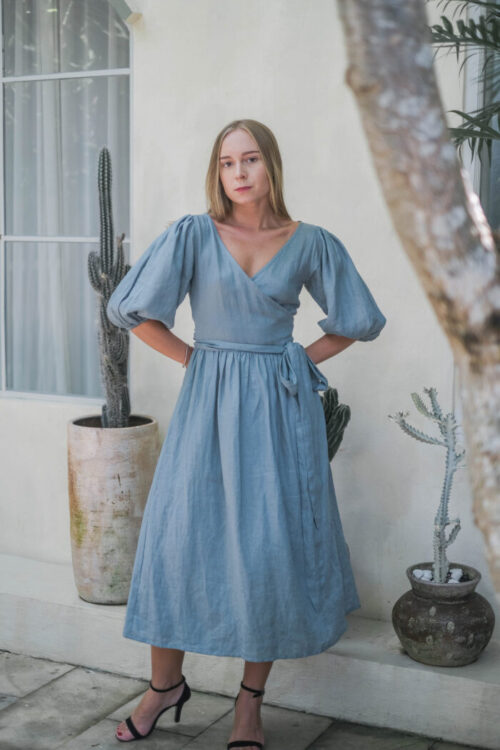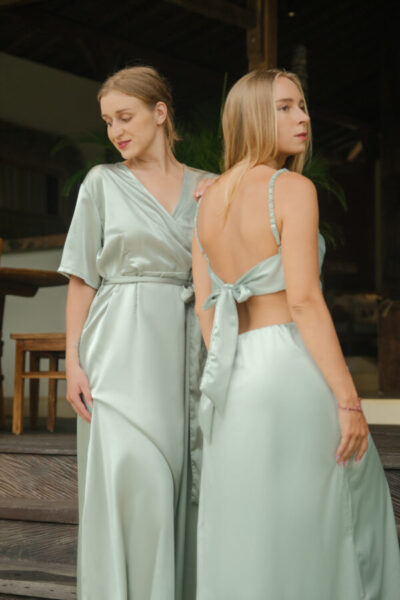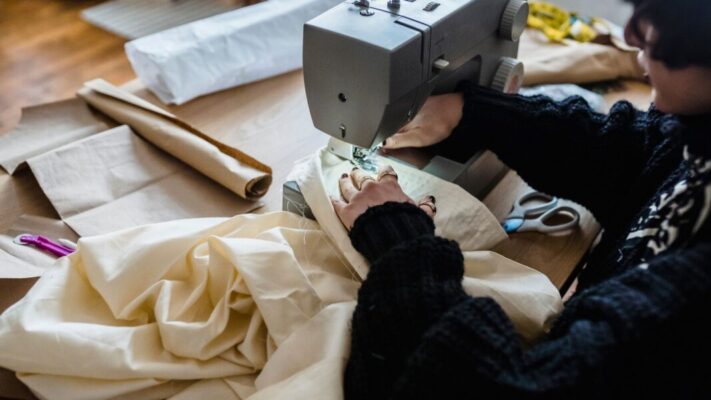
Before placing an order for custom garments, it is crucial to have a clear understanding of your brand’s needs and objectives. Are you designing uniforms for a resort, a boutique clothing line, or a corporate team? Each purpose requires different considerations in terms of style, fabric, fit, and functionality. Identifying your goals helps guide decisions about garment design, material selection, production timelines, and budget. Clear objectives also allow manufacturers to provide tailored solutions that align with your expectations, ensuring that the final product meets both practical and aesthetic requirements.
Defining Your Brand Identity and Style
Your brand identity plays a central role in every aspect of custom garment production. Colors, silhouettes, logos, and detailing must all reflect the personality and values of your brand. Preparing a comprehensive creative brief helps manufacturers understand your vision and ensures consistency across all pieces. This can include mood boards, sketches, or references that communicate the desired style, tone, and feel of the garments. A well-defined brand identity at the start of the process reduces the risk of miscommunication and ensures that every uniform or clothing item reinforces the image you want to project.
Choosing the Right Fabrics and Materials
Fabric selection is one of the most important decisions before placing a custom order. The right material affects not only the appearance and comfort of the garment but also its durability, maintenance, and suitability for specific environments. For tropical climates like Bali, breathable fabrics such as linen, cotton, rayon, or bamboo blends are popular choices, balancing comfort and elegance. Sustainable fabrics, such as organic cotton or low-impact dyed textiles, are increasingly sought after by eco-conscious brands. Discussing material options with your manufacturer in advance allows you to evaluate cost, availability, and performance, ensuring the final garments meet your expectations.
Preparing Accurate Measurements and Sizing
Accurate measurements and sizing guidelines are essential for achieving garments that fit well and look professional. Whether for uniforms or ready-to-wear collections, providing clear size charts, body measurements, and fit preferences helps manufacturers produce pieces that are consistent and flattering. For larger orders, it is important to plan for a range of sizes and accommodate staff or customer needs. Proper preparation reduces the need for adjustments later, saving time and resources while avoiding production delays.
Developing Tech Packs and Design Specifications
A comprehensive tech pack is the blueprint for any custom garment order. It should include details such as construction instructions, measurements, fabric types, trims, logos, embroidery, and finishing requirements. Preparing a tech pack before ordering allows manufacturers to understand exactly how each garment should be made, minimizing errors and ensuring consistency across samples and bulk production. This technical documentation complements visual references like mood boards, translating creative ideas into actionable specifications for production.
Planning Your Budget and Timeline
Budget and production timelines must be clearly defined before placing an order. Custom garments involve costs related to fabrics, trims, labor, and additional services such as embroidery or sustainable finishes. Knowing your budget helps guide decisions about material quality, quantity, and production methods. Timelines should also account for sampling, approvals, adjustments, and shipping, especially if exporting internationally. Planning ahead ensures a smoother workflow and allows manufacturers to deliver on time without compromising quality.
Communicating Effectively with Your Manufacturer
Clear and consistent communication with your manufacturer is key to a successful custom garment order. Providing detailed instructions, asking questions, and maintaining open dialogue throughout the design and production process ensures that expectations are aligned. Manufacturers appreciate when clients come prepared with all necessary materials sketches, tech packs, size charts, and fabric choices as this reduces misunderstandings and allows them to offer accurate advice and solutions. Strong collaboration from the outset sets the foundation for garments that meet both design and functional requirements.
Reviewing Samples Before Full Production
Before committing to bulk production, it is essential to review and approve samples. Sampling allows you to verify fit, quality, construction, and aesthetic alignment with your brand. Adjustments can be made at this stage to address any discrepancies, ensuring that the final order reflects your expectations. Preparing for sampling in advance by providing clear feedback, comparing against design specifications, and considering practical use helps streamline the production process and reduces the risk of costly revisions later. Preparing thoroughly before ordering custom garments is essential for achieving high-quality, consistent, and brand-aligned results. By defining your goals, establishing brand identity, selecting fabrics, providing accurate measurements, developing tech packs, planning budgets and timelines, and maintaining clear communication, you create a solid foundation for production. Proper preparation ensures that custom garments meet both aesthetic and functional needs, enhances efficiency, and builds a strong partnership with your manufacturer. Ultimately, these steps lead to garments that not only look professional and stylish but also reflect your brand’s values and commitment to quality.