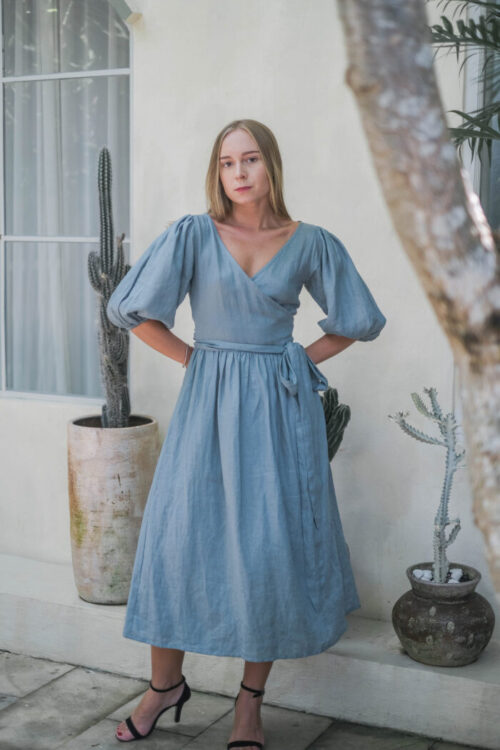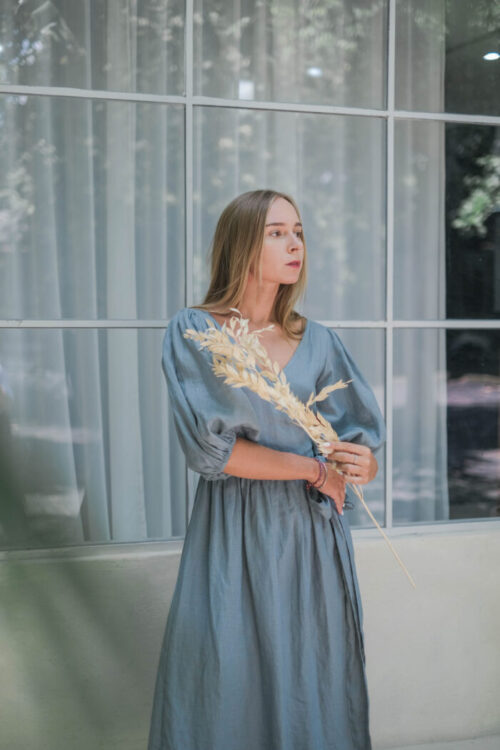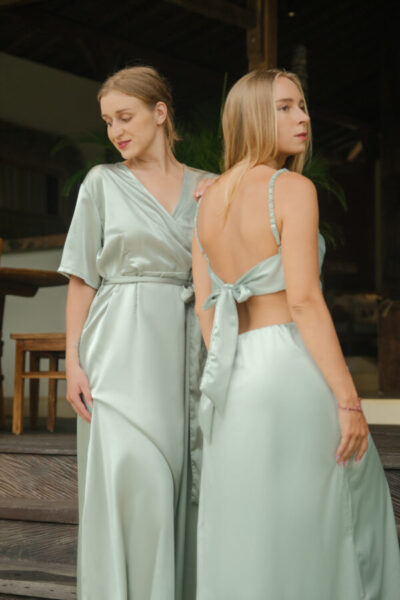
Bamboo cotton is a blended fabric made from bamboo-derived fibers and natural cotton fibers, designed to combine the strengths of both materials. Bamboo fiber, usually processed into bamboo viscose or bamboo rayon, contributes softness, smoothness, and moisture management, while cotton adds breathability, durability, and a familiar natural feel. The blend creates a fabric that is gentle on the skin, breathable, and suitable for a wide range of clothing and textile applications.
This fabric is especially valued for its comfort and versatility, offering a balance between performance and natural qualities. Bamboo cotton feels softer and cooler than regular cotton while maintaining strength and everyday practicality. Because of these qualities, it is widely used in apparel, baby products, bedding, and active or casual wear, where comfort and skin-friendliness are essential.
Cotton has been used for thousands of years and is one of the most widely produced natural fibers in the world. It has long been valued for its softness, breathability, and ease of processing, making it a foundational material in clothing and home textiles across many cultures. Bamboo, although historically used in construction and crafts, entered the textile industry much later.
Bamboo fiber production became more common in the late 20th and early 21st centuries, as manufacturers searched for alternative, plant-based fibers with enhanced comfort properties. Blending bamboo fiber with cotton emerged as a solution to improve softness, moisture control, and skin comfort while retaining cotton’s durability. As demand for comfortable and eco-conscious textiles increased, bamboo cotton gained popularity in modern fashion and lifestyle products.
Key Characteristics of Bamboo Cotton
Bamboo cotton fabric is known for its exceptional softness and smooth texture, which comes from the bamboo fiber component. The fabric feels gentle against the skin and is often described as silkier than standard cotton. Cotton fibers add structure and strength, preventing the fabric from feeling too delicate or slippery.
The blend also offers excellent breathability and moisture absorption, helping regulate body temperature in warm conditions. Bamboo cotton tends to have a lightweight to medium weight, making it suitable for year-round use. While it can wrinkle slightly, the creases are generally soft and less rigid than those found in pure cotton fabrics.
Uses of Bamboo Cotton
Bamboo cotton is widely used in everyday clothing and comfort-focused apparel. It is commonly found in t-shirts, underwear, sleepwear, loungewear, dresses, and casual tops, where softness and breathability are key priorities. The fabric is also popular in baby clothing, as it is gentle on sensitive skin and comfortable for long wear.
In addition to apparel, bamboo cotton is frequently used in bedding, towels, blankets, and pillowcases, where moisture absorption and softness improve sleep comfort. It is also used in active and wellness-related garments, such as yoga wear and lightweight sportswear, due to its breathable and moisture-managing properties. Its versatility allows it to perform well in both fashion and functional textiles.
Key Variations of Bamboo Cotton
Bamboo cotton blends are available in several variations to suit different comfort and performance needs, including a 50/50 bamboo cotton blend that offers a balanced combination of softness and durability. High bamboo content blends provide extra softness with enhanced moisture control and a cooler feel, while high cotton content blends deliver more structure, strength, and long-lasting wear. Knitted bamboo cotton versions are stretchy and comfortable, making them ideal for apparel, whereas woven bamboo cotton fabrics offer a smoother, more structured appearance. Organic bamboo cotton bleends incorporate organic cotton fibers for a more sustainable and skin-friendly option.
Advantages of Bamboo Cotton
One of the primary advantages of bamboo cotton is its enhanced comfort compared to regular cotton. The bamboo fibers give the fabric a softer, smoother feel, making it ideal for people with sensitive skin. It absorbs moisture effectively and allows airflow, helping the wearer stay cool and dry throughout the day. These properties make bamboo cotton particularly suitable for warm climates and close-to-skin garments.
Another important advantage is its balance of performance and durability. While bamboo fibers alone can be delicate, blending them with cotton improves strength and longevity. Bamboo cotton is generally easy to wear, breathable, and comfortable, while still being practical for everyday use. The blend also offers a more refined appearance than basic cotton, making it suitable for both casual and slightly elevated styles.
Unique Features of Bamboo Cotton
Bamboo cotton stands out because it combines two plant-based fibers with complementary qualities. The bamboo component enhances softness, moisture management, and comfort, while cotton ensures stability, breathability, and durability. This synergy creates a fabric that feels luxurious yet familiar, making it appealing to a wide range of users.
Another unique feature is its skin-friendly nature. Bamboo cotton is often chosen for baby products and sleepwear because of its gentle feel and comfort. The fabric naturally feels cool to the touch and maintains a smooth surface, contributing to its reputation as a premium comfort textile.
Modern Fashion and Trend
In modern fashion, bamboo cotton is increasingly used in sustainable-inspired and comfort-driven collections. Designers favor it for casual wear, loungewear, basics, and minimalist fashion, where fabric quality plays a central role. The blend is often seen in neutral tones, soft pastels, and natural color palettes, aligning with contemporary lifestyle aesthetics.
Bamboo cotton also fits well into the growing demand for eco-conscious and wellness-focused clothing, as it uses plant-based fibers and promotes breathable, long-lasting garments. It’s versatility allows it to be used across age groups and styles, ensuring it’s continued relevance in modern fashion and textile design.
Care and Maintenance of Bamboo Cotton
Bamboo cotton blend fabrics should be machine washed in cold or warm water on a gentle cycle using a mild detergent to preserve softness and fiber quality. Bleach and harsh chemicals should be avoided, as they can damage the fibers and reduce fabric performance. For drying, air-drying is recommended, or tumble dry on low heat to prevent shrinkage and maintain a smooth hand feel. If ironing is needed, use low to medium heat, wash with similar colors to avoid dye transfer, and avoid high heat throughout the care process to keep the fabric soft and long-lasting.