Linen rayon is a blended fabric that combines the crisp, breathable qualities of linen fibers derived from flax plants with the softness, fluidity, and smoothness of rayon fibers made from natural cellulose. This blend was developed to soften the naturally firm and textured character of linen while preserving its freshness and cooling performance. At the same time, rayon enhances the drape, smoothness, and comfort of the fabric, resulting in a textile that feels refined, elegant, and highly wearable.
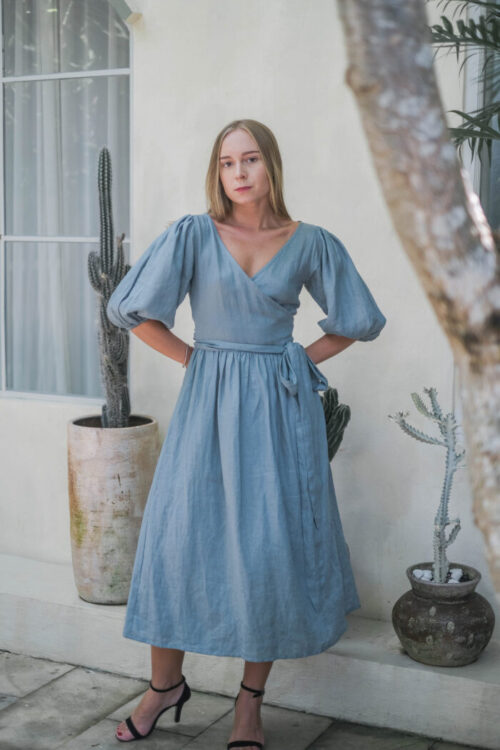
The result is a fabric that maintains linen’s natural, matte aesthetic while gaining rayon’s fluid movement and silky hand feel. Linen rayon is therefore widely used for garments that require both a natural appearance and graceful drape, such as dresses, blouses, relaxed tailoring, and resort wear. It offers a balance between structure and softness that is difficult to achieve with single-fiber fabrics.
Fiber Composition and Fabric Structure
Linen rayon is produced by blending linen fibers with rayon fibers in varying proportions, typically ranging from 55% linen / 45% rayon for a crisper, more structured feel, to 60% rayon / 40% linen for a softer and more fluid hand feel. The fibers are blended during spinning and twisted into yarns before being woven or knitted into fabric.
The most common constructions for linen rayon are plain weave for lightweight, breathable fabrics, and twill weave for slightly heavier fabrics with more drape and strength. The weave structure influences the final texture, thickness, and movement of the fabric, allowing linen rayon to be adapted across multiple fashion categories.
Rayon’s smooth filament-like structure wraps around the coarser linen fibers, softening the surface and reducing excessive wrinkling, while linen contributes strength and dimensional stability.
Comfort and Climate Performance
Linen rayon performs exceptionally well in warm and humid climates. Linen allows air to circulate freely, preventing heat buildup, while rayon absorbs and releases moisture efficiently, keeping the skin dry and cool.
This combination results in a fabric that feels cool to the touch, lightweight on the body, and comfortable for extended wear. The fabric also drapes beautifully without clinging, making it flattering across different body types.
Despite its lightness, linen rayon provides enough structure to hold garment shape, making it suitable for both flowing silhouettes and softly tailored pieces.
Durability and Wear Performance
Linen contributes high tensile strength and resistance to abrasion, while rayon adds flexibility and softness. Together, they create a fabric that is more durable than rayon alone and more comfortable than pure linen. Over time, linen rayon softens further while maintaining its integrity. It is less prone to excessive wrinkling than pure linen and less fragile than pure rayon, offering improved longevity and easier wearability.
The combination of linen and rayon creates a fabric that balances strength, comfort, and long-term performance in a way that neither fiber can achieve on its own. Linen naturally provides high tensile strength and excellent resistance to abrasion, allowing the fabric to withstand frequent wear, movement, and light friction without easily thinning or tearing. Rayon, on the other hand, contributes flexibility and softness, making the fabric feel smoother against the skin and less rigid than pure linen. Together, these fibers produce a textile that is more durable than rayon alone, yet significantly more comfortable and wearable than pure linen.
Over time, linen rayon continues to soften while retaining its structural integrity, resulting in a fabric that becomes more pleasant to wear without losing its shape or strength. Unlike pure linen, which tends to wrinkle heavily and feel stiff, linen rayon shows reduced wrinkling and a more relaxed drape, making it easier to maintain a neat appearance throughout the day. At the same time, it is less fragile than pure rayon, which can weaken with repeated washing or friction. This balance gives linen rayon improved longevity, better resistance to everyday wear, and greater ease of care, making it suitable for garments that are worn regularly and expected to last while still providing comfort and visual appeal.
Visual and Aesthetic Qualities
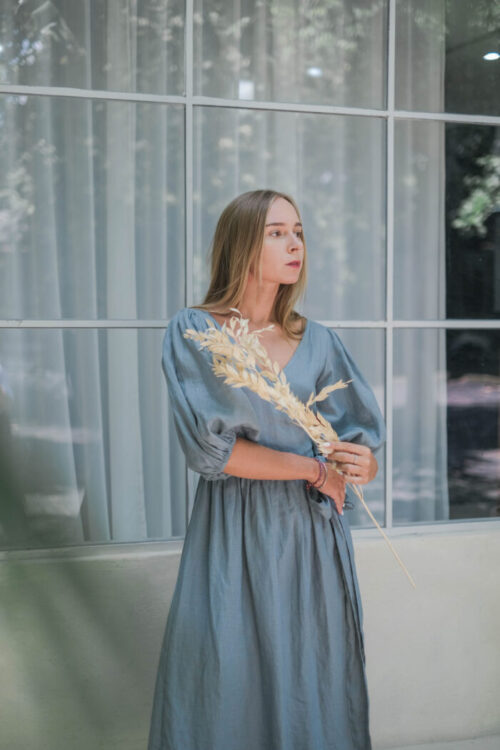
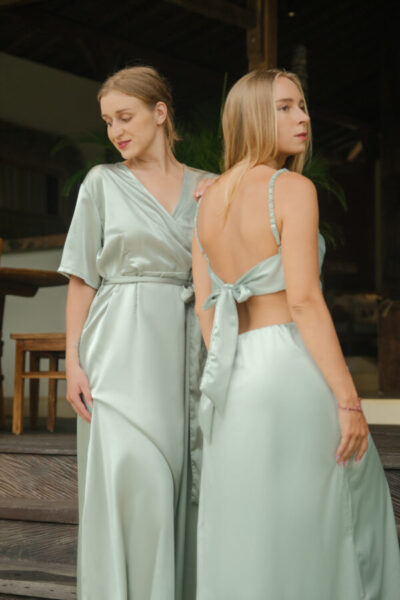
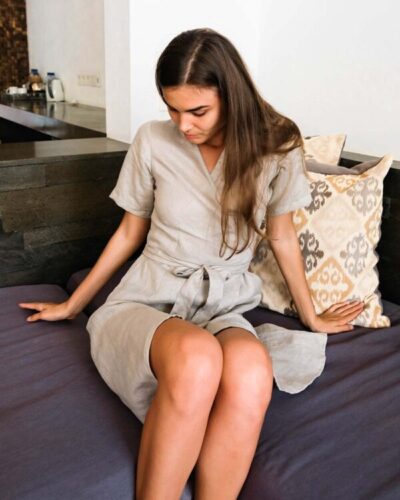
Linen rayon has a refined, matte surface with subtle texture and elegant drape. It does not appear shiny or artificial, making it ideal for brands that value natural aesthetics with a touch of sophistication.
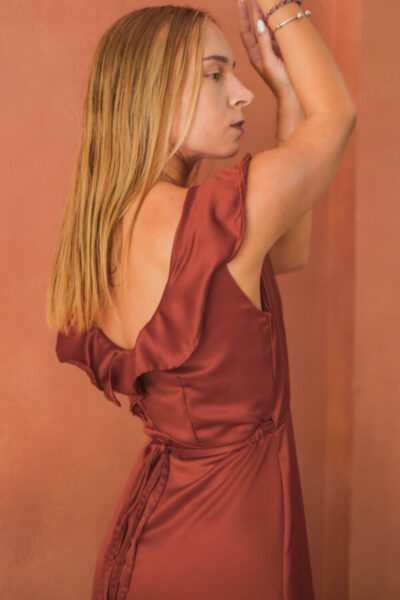
The fabric accepts dyes well, producing soft, luminous colors with gentle depth. It works particularly well in neutral, pastel, and earthy tones, but can also support richer colors for more expressive designs.
Fashion and Lifestyle Applications
Linen rayon is widely used for dresses, blouses, skirts, relaxed trousers, and lightweight jackets. It is especially popular in resort wear, summer collections, and contemporary lifestyle fashion.
In home textiles, linen rayon is used for curtains, cushion covers, and decorative textiles that require both softness and natural texture.
Care and Maintenance
Linen rayon should be washed in cold or lukewarm water with mild detergent. Gentle cycles are recommended to protect rayon fibers. Air drying or tumble drying on low heat is preferred, and ironing should be done at low to medium heat while the fabric is slightly damp.
Proper care helps maintain softness, shape, and color vibrancy over time.
Linen rayon should be washed in cold or lukewarm water using a mild detergent in order to preserve the softness of the rayon fibers and the strength of the linen component. A gentle machine cycle or hand washing is recommended, as harsh agitation can weaken the rayon and cause unnecessary stress on the fabric structure. It is important to avoid bleach, strong stain removers, and high-spin settings, since these can lead to fiber damage, fading, or distortion over time.
For drying, air drying is the safest option and helps maintain the fabric’s shape and surface smoothness, although tumble drying on low heat can be used if necessary. High temperatures should always be avoided, as they may cause shrinkage or make the rayon fibers brittle. When ironing is needed, it should be done at low to medium heat while the fabric is still slightly damp to achieve a smooth finish without scorching or flattening the natural texture. With proper care, linen rayon will continue to feel soft, retain its shape, and maintain its color vibrancy, ensuring the fabric remains attractive and comfortable throughout repeated use and washing cycles.
Linen rayon offers a refined balance between natural freshness and elegant softness. It combines linen’s breathability and strength with rayon’s fluid drape and comfort, creating a fabric that is both beautiful and functional.
It is an ideal choice for designers and brands seeking breathable, elegant, and sustainable textiles for warm-weather fashion and lifestyle collections.