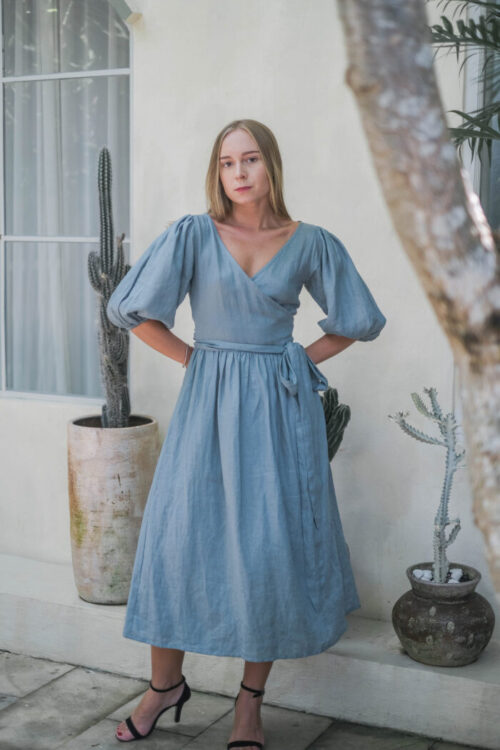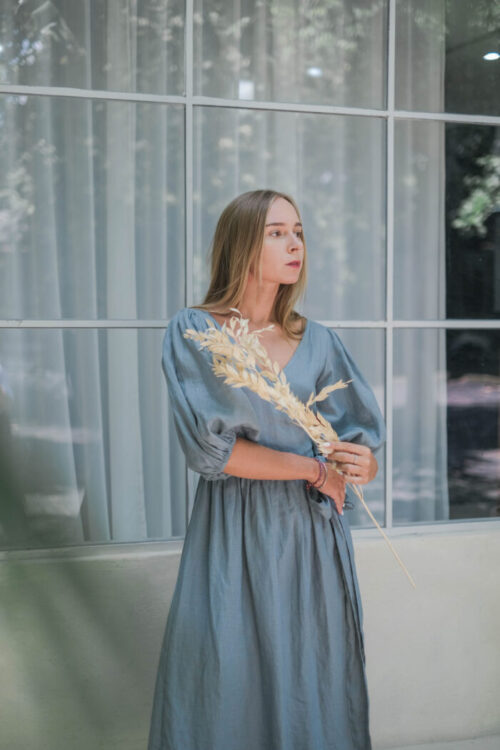
Linen rayon is a blended textile made from linen fibers obtained from the flax plant and rayon fibers produced from regenerated cellulose, commonly derived from wood pulp. This fabric blend is created to combine the natural breathability, texture, and strength of linen with the softness, smoothness, and fluid drape of rayon. The result is a fabric that feels lighter and more comfortable than pure linen while maintaining a natural and breathable quality.
The rayon component significantly improves the wearability of linen by reducing stiffness and adding flexibility. Linen rayon is especially valued in warm-weather and transitional clothing, where comfort and airflow are important. The fabric offers a balance between a natural, relaxed appearance and a refined, modern feel, making it suitable for both casual and semi-formal garments.
Linen has been used for thousands of years and is considered one of the oldest textile fibers in human history, with origins traced back to ancient Egypt. It was highly prized for its cooling properties, durability, and association with cleanliness and luxury. Linen remained an important fabric throughout history, especially in warm climates, due to its breathability and strength.
Rayon was developed in the late 19th century as the first semi-synthetic fiber, designed to imitate silk using plant-based cellulose. As textile technology advanced in the 20th century, manufacturers began blending linen with rayon to improve comfort and drape. This blend gained popularity as fashion shifted toward lighter, more wearable fabrics, leading linen rayon to become a common choice in modern apparel and home textiles.
Key Characteristics of Linen Rayon
Linen rayon fabric is characterized by a balanced combination of structure and softness. The linen fibers give the fabric a slightly coarse, natural texture and excellent airflow, while rayon contributes a smoother surface and improved flexibility. This blend creates a fabric that feels less rigid and more fluid than pure linen, enhancing comfort during wear.
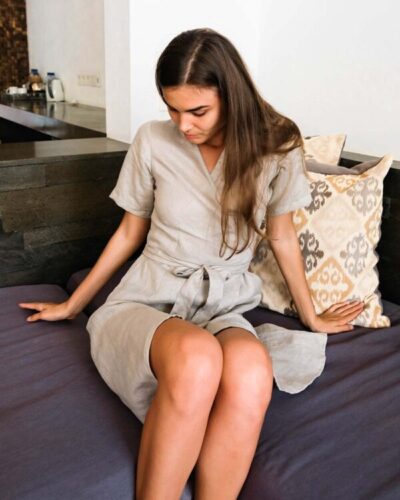
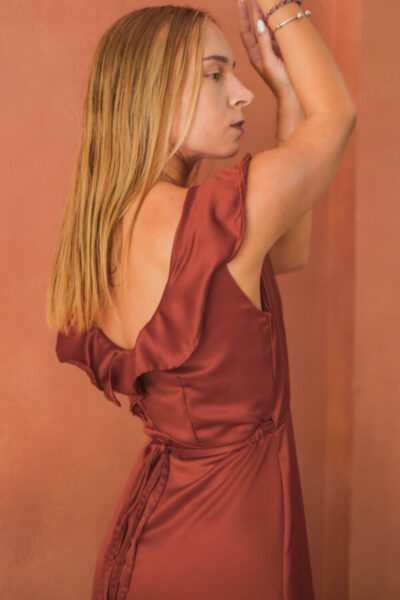
Additionally, linen rayon offers good moisture absorption and breathability, making it ideal for hot and humid climates. The rayon content introduces a subtle sheen and graceful drape, improving the fabric’s visual appeal. Although linen rayon still wrinkles, the creases are generally softer and less pronounced, contributing to a relaxed, effortless look.
Uses of Linen Rayon
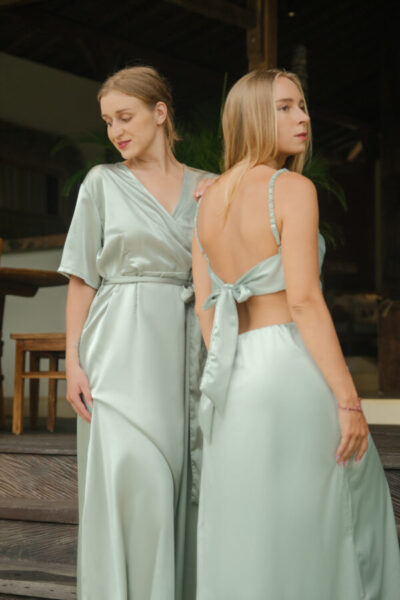
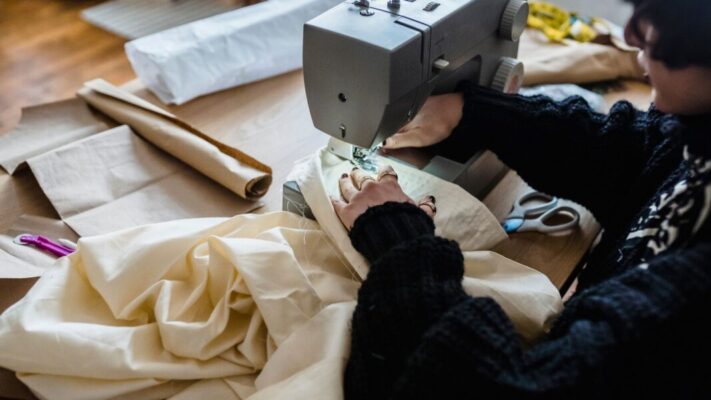
Linen rayon is widely used in fashion and apparel, particularly in garments designed for warm weather and relaxed elegance. It is commonly found in dresses, blouses, shirts, skirts, trousers, jumpsuits, and lightweight suits, where its breathable and drapey nature enhances comfort and movement.
Beyond clothing, linen rayon is also used in scarves, shawls, and lightweight outerwear, as well as in home textiles such as curtains, decorative covers, and soft furnishings. Its ability to combine natural texture with smooth flow makes it suitable for designs that aim to look both casual and refined, allowing it to transition easily across different styles and settings.
Key Variations of Linen Rayon
Linen rayon fabric is available in several variations depending on fiber ratio and finishing, including a 50/50 linen rayon blend that offers a balanced combination of natural texture and softness. High-linen content blends provide greater crispness, structure, and breathability, while high-rayon content blends deliver a smoother hand feel with improved drape and fluidity. Slub linen rayon highlights the natural irregular texture for a more organic look, printed linen rayon is widely used for summer and resort wear, and washed linen rayon features a softer, more relaxed finish for enhanced comfort and casual appeal.
Advantages of Linen Rayon
One of the main advantages of linen rayon is its improved comfort compared to pure linen. The rayon fibers soften the fabric, reducing roughness and stiffness while increasing flexibility. This makes linen rayon more comfortable against the skin and suitable for garments worn for long periods. The fabric also maintains excellent air circulation and moisture absorption, helping keep the wearer cool.
Another important advantage is its enhanced appearance and practicality. Linen rayon wrinkles less than pure linen and drapes more gracefully, allowing garments to maintain a polished yet natural look. The fabric is also generally more affordable than 100% linen, making it accessible while still offering a premium feel. These qualities make linen rayon highly desirable for both consumers and designers.
Unique Features of Linen Rayon
The uniqueness of linen rayon lies in its combination of a traditional natural fiber with a regenerated cellulose fiber. This blend results in a fabric that retains linen’s airy texture while benefiting from rayon’s smoothness and flow. The interaction of these fibers creates a distinctive balance between structure and softness.
Another unique feature is the fabric’s visual versatility. Linen rayon can appear casual and relaxed or refined and elegant depending on its weave, finish, and design. This adaptability allows it to be used across a wide range of fashion styles, making it a flexible and valuable textile in modern design.
Modern Fashion and Trend
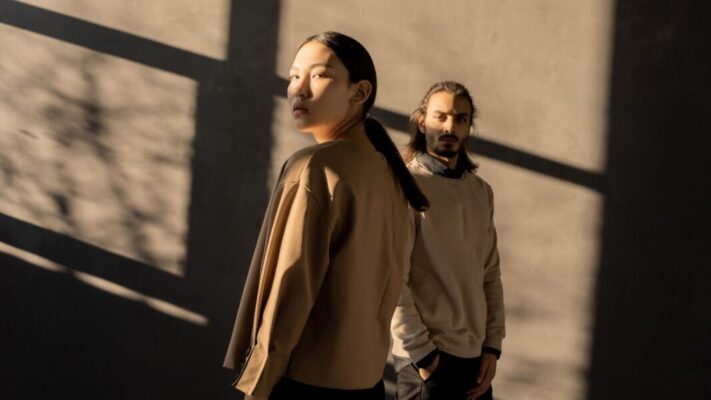
In modern fashion, linen rayon is widely used in summer collections, resort wear, minimalist designs, and contemporary casual clothing. Designers favor this fabric for its natural appearance combined with improved comfort and drape. It is commonly seen in neutral colors, earthy tones, pastels, and botanical prints, reflecting current lifestyle and sustainability trends.
Linen rayon also aligns well with the slow fashion and eco-conscious movement, as it incorporates plant-based fibers and promotes breathable, long-lasting garments. Its versatility allows it to be styled for both everyday wear and more refined occasions, ensuring its continued relevance in modern fashion.
Care and Maintenance of Linen Rayon
Linen rayon fabric should be hand washed or machine washed on a gentle cycle using cold water and a mild detergent to protect the fibers and maintain softness. Bleach and harsh chemicals should be avoided, as they can weaken the fabric and affect color. Air-drying is recommended, or tumble drying on low heat if necessary. For best results, iron on low to medium heat while the fabric is still slightly damp. Store garments folded or hung neatly to minimize wrinkles, and avoid excessive wringing or twisting to preserve the fabric’s drape and texture.