The Importance of Uniforms in Hospitality
When we think about uniforms for restaurants and cafes, most of us focus on style, color, or how well it fits the staff. Yet there is something even more important that is often overlooked: the comfort, functionality, and material of the uniform. Employees in the hospitality industry spend long hours on their feet, often in hot, humid, or fast-paced environments. Choosing the right fabrics and uniform design is therefore crucial not only to maintain a professional appearance but also to ensure the health, comfort, and efficiency of the team.
Fabric Selection: Natural vs Synthetic
Uniforms in restaurants and cafes are more than just a branding tool—they are a daily functional necessity. Staff move constantly, carry trays, interact with customers, and work near heat sources. Wearing the wrong fabric can lead to overheating, excessive sweating, and skin irritation, which in turn can decrease focus and productivity.
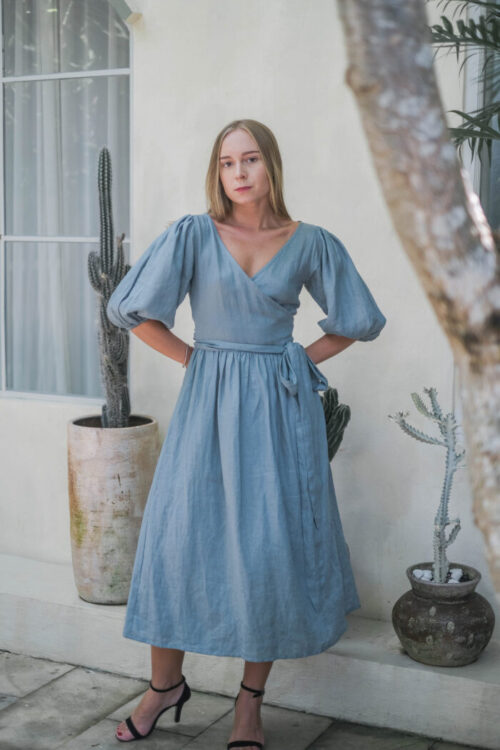
Synthetic fabrics such as polyester, nylon, or acrylic are often chosen because they are durable, inexpensive, and easy to wash. However, these fabrics tend to trap heat and moisture, leaving staff feeling uncomfortable during long shifts. Over time, constant friction and trapped sweat can even cause rashes or other skin problems. Natural fabrics, on the other hand, such as cotton, linen, bamboo, or blends of these materials, offer breathability, softness, and moisture-wicking properties that improve comfort throughout the day. Linen is especially popular because of its lightweight and cool texture, which is perfect for tropical climates like Bali. Cotton shirts and bamboo-blend aprons provide airflow, prevent overheating, and remain soft on the skin, even during extended working hours.
Staff Comfort and Performance
Staff comfort directly influences performance and attitude. When employees feel comfortable in their uniforms, they are more confident, efficient, and motivated. Breathable fabrics and well-thought-out designs reduce fatigue and allow natural movement. Linen shirts feel airy and lightweight, making them ideal for baristas or servers who work near hot kitchen equipment. Cotton polos offer softness, durability, and easy maintenance, suitable for casual dining or cafe settings. Bamboo-blend aprons are gentle yet durable, providing resistance to moisture while remaining soft and comfortable for chefs and kitchen staff.
Design Meets Functionality
Designing uniforms for restaurants and cafes requires a careful balance between style and functionality. Practical details such as adjustable aprons, breathable collars, stretchable panels, and subtle pockets enhance comfort and usability. Well-designed uniforms enable staff to move freely, carry essential tools, and maintain a polished appearance throughout the day. In Bali, local uniform producers specialize in creating designs that meet the unique needs of hospitality workers while reflecting the brand’s identity. These designs ensure uniforms are functional for daily operations while presenting a clean and professional image to customers.
Sustainability in Hospitality Uniforms
Sustainability is another important aspect of modern uniform production. Choosing natural fabrics helps reduce environmental impact while supporting employee comfort and health. Linen and hemp are biodegradable and require minimal water and chemicals during production. Organic cotton avoids harmful pesticides and is gentle on sensitive skin. Bamboo grows quickly, absorbs carbon dioxide, and has natural antibacterial properties. By incorporating these materials into uniforms, restaurants and cafes can promote eco-conscious practices while providing soft, breathable clothing for their staff. This approach not only benefits employees but also enhances the establishment’s image as a responsible and sustainable brand.
Custom Uniform Production in Bali
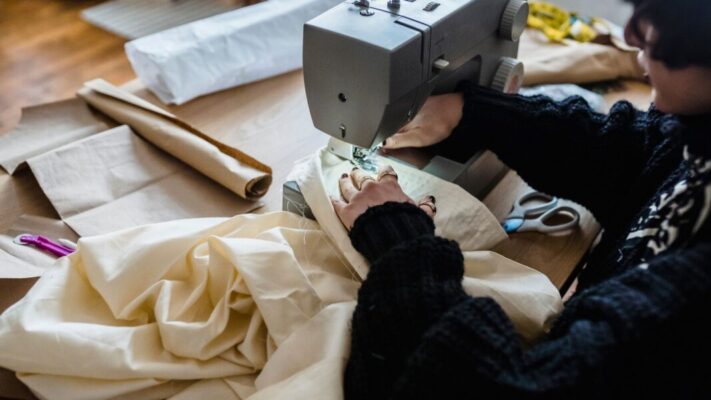
Bali has become a hub for custom uniform production, offering skilled craftsmanship, high-quality fabrics, and modern manufacturing techniques to meet the needs of restaurants, cafes, hotels, and other hospitality businesses. Local manufacturers work closely with clients to deliver tailored uniforms that combine aesthetics, comfort, and functionality. The result is uniforms that fit well, last longer, and support staff throughout their shifts. Collaborating with Bali producers also provides access to sustainable fabrics, ethical production methods, and expertise in ergonomic design, allowing hospitality brands to prioritize both employee welfare and environmental responsibility.
The Future of Hospitality Uniforms
Modern cafes and restaurants are increasingly seeking uniforms that merge comfort, style, and sustainability. Innovations in fabric technology and ethical production practices have elevated uniform design, making it possible to achieve both professional aesthetics and optimal staff well-being. By selecting high-quality natural fabrics and partnering with experienced manufacturers, businesses can create uniforms that maintain their shape, feel good on the skin, and withstand daily wear while projecting a polished image to customers.
Conclusion
Restaurant and cafe uniforms are more than just clothing; they are essential tools that affect staff performance, comfort, and professional presentation. Natural fabrics like cotton, linen, and bamboo offer breathability, moisture control, and skin-friendly qualities that make long working hours more comfortable. Bali’s skilled uniform producers combine these fabrics with thoughtful designs to provide uniforms that meet the demands of the hospitality industry while supporting sustainability goals. Choosing the right uniform is an investment in employee well-being, operational efficiency, and brand reputation, making it a practical and meaningful choice for any restaurant or cafe.
The fabrics and designs used for hospitality uniforms shape more than just appearances—they influence daily comfort, productivity, and long-term staff satisfaction. By prioritizing natural, breathable, and eco-friendly materials, restaurants and cafes in Bali can offer uniforms that are functional, sustainable, and stylish, benefiting both employees and the environment.