
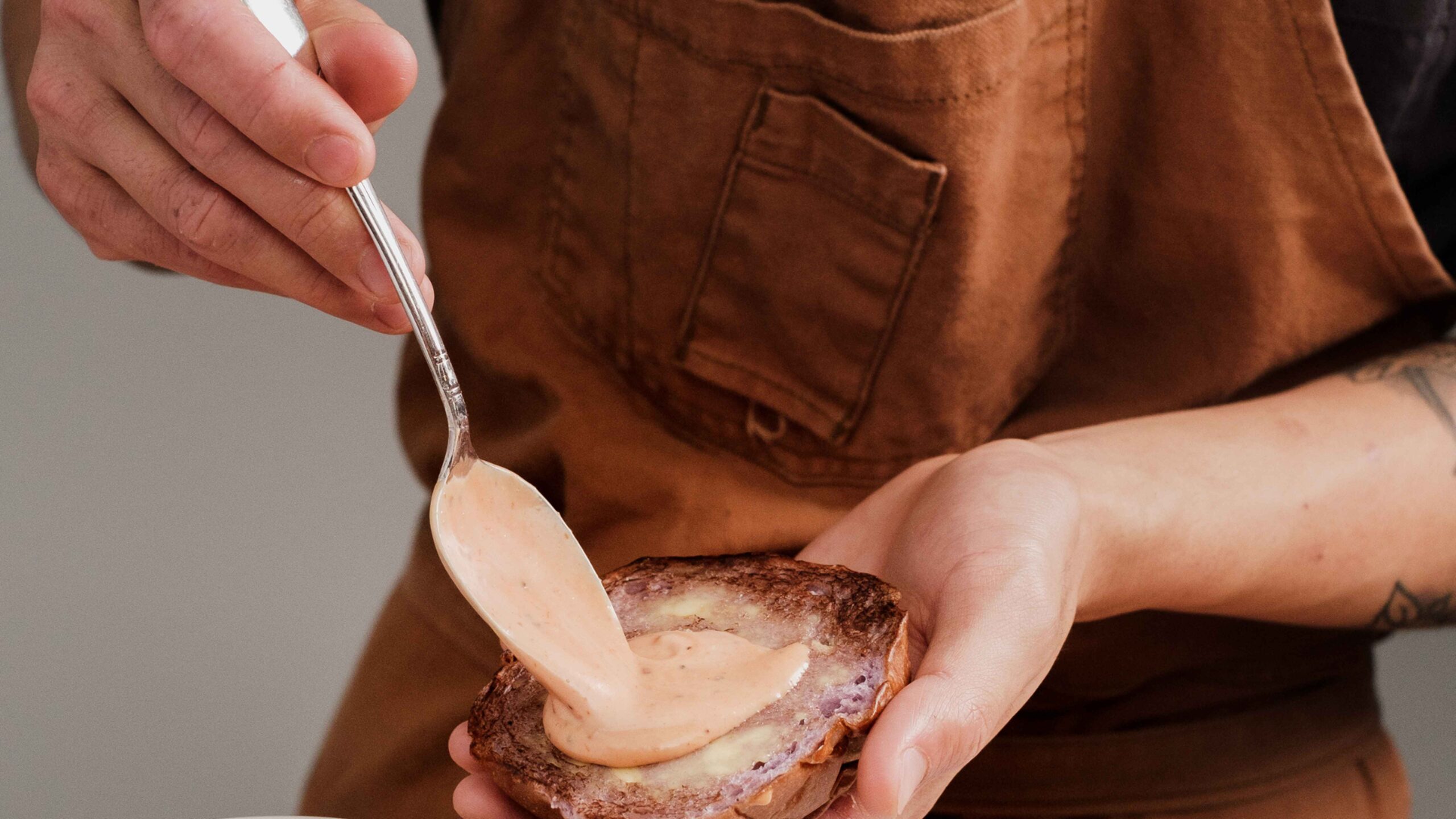
The Role of Uniforms in the Hospitality Industry
Uniforms in the hospitality industry are much more than clothing—they serve as a reflection of brand identity, professionalism, and the quality of service offered. For cafes, restaurants, and hotels, staff appearance plays a major role in shaping the customer experience. A well-designed uniform not only helps employees look cohesive but also promotes comfort, confidence, and efficiency throughout long working hours. In the tropical climate of Bali, where many hospitality brands operate, choosing the right fabrics, designs, and manufacturing partner is crucial to achieving both style and functionality.
Bali as a Hub for Café Uniform Manufacturing
Bali has earned a strong reputation as a creative and reliable manufacturing hub, attracting hospitality brands from around the world. The island’s uniform manufacturers are known for their craftsmanship, flexibility, and ability to merge modern production systems with traditional tailoring techniques. Whether producing uniforms for boutique cafés, high-end resorts, or international restaurant franchises, Bali’s factories can handle projects of all sizes with consistency and precision.
Many manufacturers in Bali specialize in hospitality wear—offering a wide range of styles such as aprons, shirts, trousers, dresses, and outerwear. They also understand the functional needs of café and restaurant staff, such as easy movement, breathability, and fabric durability. By combining creative design and practical knowledge, Bali-based manufacturers help brands develop uniforms that not only look good but also withstand the demands of busy service environments.
Custom Design and Brand Representation
Every café or hospitality brand has its own aesthetic and story, and uniforms play an important part in communicating that identity. Bali’s uniform manufacturers provide custom design services that allow businesses to tailor every detail—from fabric color and texture to cut, logo placement, and finishing style.
For instance, minimalist cafés often prefer earthy tones and lightweight linen uniforms that match their natural interior concepts, while luxury resort restaurants might opt for sleek, modern silhouettes with fine embroidery. Bali’s designers are skilled at interpreting brand identity into tangible uniform designs, ensuring that every piece aligns with the visual and emotional essence of the business.
The collaborative process usually begins with sketches and fabric samples. Manufacturers then refine the concept into practical, comfortable garments suited to real-world working conditions. This creative partnership results in uniforms that look professional while staying functional throughout long shifts.
Fabric Selection: Comfort Meets Durability
Choosing the right fabric is a critical step in uniform production—especially in Bali’s warm and humid climate. Hospitality uniforms must balance style with practicality, ensuring that staff remain comfortable even during peak service hours.
Bali manufacturers offer a wide selection of high-quality fabrics suitable for café and restaurant settings, including cotton, linen, rayon, and bamboo blends. Natural fibers are particularly popular for their breathability, softness, and moisture-wicking properties. Linen is favored for its lightweight and airy texture, perfect for baristas or servers working in outdoor or semi-open cafés. Cotton offers softness and easy maintenance, while bamboo fabrics add antibacterial benefits and environmental sustainability.
To ensure durability, these fabrics are often blended with small amounts of synthetic fibers, providing strength and resistance to frequent washing. This combination ensures that the uniforms maintain their shape, color, and comfort over time, even under daily use.
Sustainability and Ethical Production
Modern hospitality brands are increasingly aware of the importance of sustainability—not only in their food sourcing and operations but also in their uniforms. Bali’s uniform manufacturers are responding to this demand by integrating eco-conscious practices and sustainable fabric options into their production.
Many factories source organic cotton, bamboo, and linen from certified suppliers, reducing environmental impact. They also focus on ethical labor standards and small-batch production to minimize waste. Choosing sustainable uniform production not only benefits the environment but also strengthens a brand’s image as socially responsible—a value that resonates deeply with today’s conscious consumers.
Sustainability doesn’t mean compromising on quality. On the contrary, these natural fabrics tend to provide better comfort and breathability for staff, leading to improved performance and satisfaction at work.
From Sampling to Mass Production
The process of uniform production in Bali begins with concept development and sampling. Clients collaborate with manufacturers to finalize designs, select fabrics, and create prototypes. The sampling phase allows adjustments in size, fit, and detailing before full production begins.
Once approved, Bali’s factories move into mass production, maintaining strict quality control at every stage. Whether producing 20 sets for a small café or 500 uniforms for a resort group, consistency in craftsmanship remains the top priority. Each piece is inspected for stitching accuracy, fit, and finishing to ensure it meets both brand and functional standards.
This meticulous process ensures that every uniform delivered not only looks professional but also performs well under daily use.
Craftsmanship and Attention to Detail
What makes Bali’s uniform production exceptional is its deep-rooted craftsmanship. Local tailors and artisans bring years of experience in garment construction and design, blending precision with creativity. Their attention to small details—reinforced seams, fine embroidery, smooth linings, and well-balanced fits—elevates the quality of each uniform.
Modern factories in Bali also use updated machinery for cutting and stitching, ensuring precision in large-scale production without losing the handmade touch that defines Balinese craftsmanship. This combination of tradition and technology allows brands to receive uniforms that are durable, functional, and visually refined.
Global Clients and Export Capabilities
Bali’s uniform manufacturers are well-versed in handling international projects. Many hospitality brands from Australia, Europe, and the United States partner with Bali factories for their reliability, communication, and export-ready systems. English-speaking production teams make coordination smooth, while logistics partners ensure timely global delivery.
Whether shipping small test batches or full collections, Bali’s manufacturers manage packing, labeling, and export documentation professionally. This level of service allows global brands to collaborate easily without geographical barriers, making Bali a trusted destination for high-quality hospitality uniforms.
Conclusion
Bali has established itself as a leading destination for café and hospitality uniform manufacturing, combining creativity, craftsmanship, and global production standards. The island’s factories offer end-to-end services—from design consultation and fabric sourcing to production and export—ensuring that every uniform embodies both brand identity and functionality.
For hospitality brands, choosing a Bali-based uniform manufacturer means investing in more than just garments; it means partnering with a team that understands comfort, style, and sustainability. With natural fabrics, skilled craftsmanship, and a commitment to ethical production, Bali provides the perfect foundation for creating uniforms that elevate both employee comfort and brand image.
Uniforms designed and produced in Bali not only look professional but also tell a story of artistry, quality, and care—values that define the best in hospitality.
