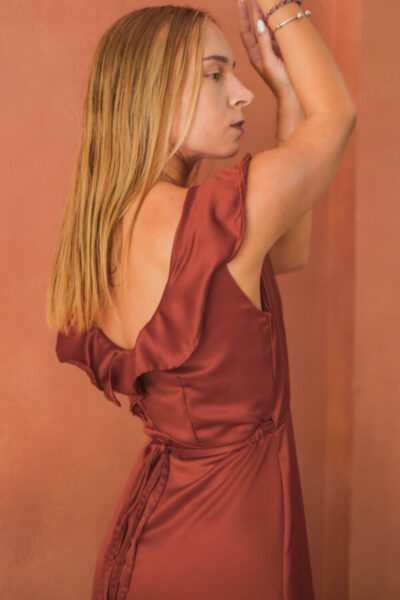
Cotton voile is a lightweight, semi-sheer woven fabric made from 100% cotton or a cotton blend. Its name comes from the French word “voile,” meaning “veil,” reflecting its soft, delicate, and slightly translucent appearance. It’s ideal for summer apparel, lingerie, and sheer curtains. It is known for its elegant drape, crispness, and slight transparency, frequently used in warm climates for comfort.
Cotton voile is a relatively modern fabric in textile history, emerging as cotton spinning and weaving techniques advanced. Its development is linked to the Industrial Revolution and the evolution of fine, high-thread-count cotton textiles in Europe. Cotton has been used for clothing for thousands of years, with evidence in ancient India, Egypt, and Mesopotamia. Early cotton fabrics were hand-spun and woven, typically coarser and heavier than modern voile.
The development of fine spinning machinery and mechanized weaving allowed the production of high-thread-count, lightweight cotton fabrics, including muslins and voiles. England and France were at the forefront, producing delicate cotton textiles for summer clothing, undergarments, and decorative purposes.
In the 19th century, cotton voile gained popularity in Europe and the United States as a luxurious yet breathable summer fabric. Its soft, sheer quality made it ideal for blouses, dresses, and children’s clothing. Voile was often hand-finished or lightly calendared (pressed) to enhance smoothness.
In the 20th century, modern textile technology allowed cotton voile to be mass-produced more uniformly and in a wider range of colors and prints. It became a staple in lightweight fashion garments, as well as in home décor like curtains and drapes.
Today, cotton voile remains valued for softness, breathability, and drape. It is often blended with polyester, silk, or spandex to improve durability or add stretch, but 100% cotton voile is still prized for its natural feel and summer-friendly qualities.
Key Characteristics of Cotton Voile
Cotton voile is a lightweight and airy fabric with a soft, flowing drape and a slightly sheer appearance that makes it ideal for layering, lightweight garments, and curtains. It is woven using a fine plain weave with high-thread-count cotton yarns, giving it a smooth and soft hand feel while retaining the natural texture of cotton. Its cotton composition ensures excellent breathability, moisture absorption, and comfort against the skin, and depending on the finishing process, cotton voile can feel exceptionally soft almost silky while remaining light, breathable, and delicate in appearance.
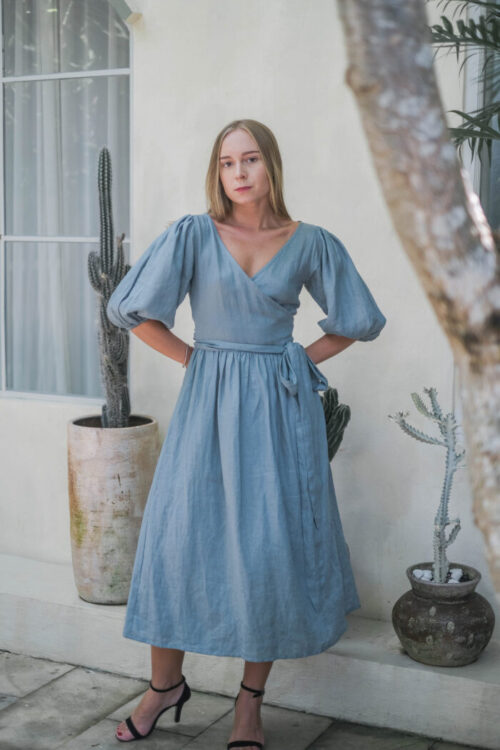
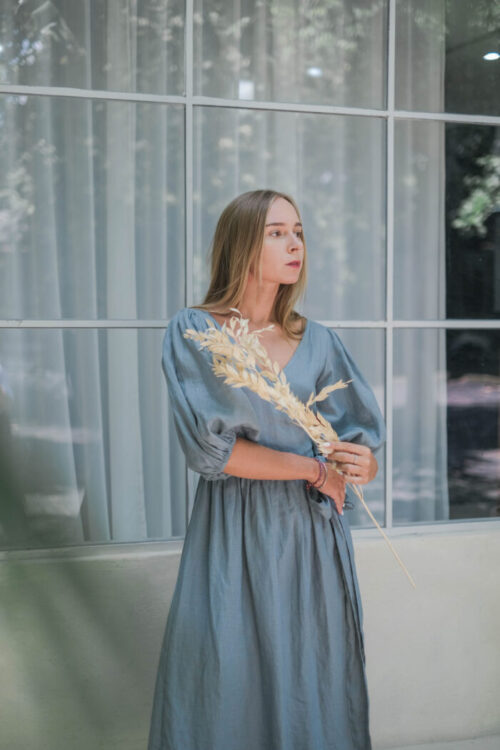
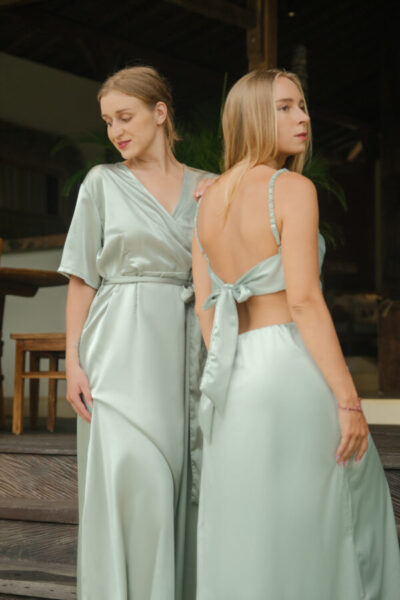
n fashion, cotton voile is commonly used for summer dresses, blouses, skirts, and tunics, where its airy quality allows for comfortable wear in warm weather while giving garments a flowing, elegant silhouette. Cotton voile is also popular for scarves, shawls, and lightweight wraps, taking advantage of its semi-transparent and soft texture for stylish layering. Its fine weave and smooth finish make it suitable for linings in dresses, shirts, and jackets, providing comfort without adding bulk. In addition to clothing, cotton voile is often used in home décor, such as sheer curtains, drapes, canopies, and decorative overlays, where its delicate appearance softly filters light while maintaining breathability. Baby clothing and accessories, like crib bedding, swaddles, and lightweight blankets, also frequently use cotton voile because of its gentle hand and natural absorbency. Overall, cotton voile’s combination of lightweight comfort, soft texture, and subtle transparency makes it a versatile choice for fashion, accessories, and home textiles where elegance and breathability are desired.
Types of Cotton Voile
Cotton voile comes in several variations depending on the weaving and finishing techniques used, including printed cotton voile with floral, geometric, or abstract patterns commonly used for dresses and scarves, embroidered voile enhanced with delicate stitching for traditional and decorative garments, and double or layered voile where two layers are combined to reduce transparency while retaining softness and drape. Cotton voile is also available in blended versions, mixed with other fibers to improve durability, wrinkle resistance, or to create a different texture and finish.
Care and Maintenance of Cotton Voile
Cotton voile is generally easy to care for but should be handled gently due to its lightweight and delicate nature. It is best washed on a gentle machine cycle or by hand using cold water to prevent shrinking and fiber damage. Low-heat ironing or light steaming is recommended to remove wrinkles without harming the fabric, and while cotton voile is breathable and soft, it is thinner than many other cotton fabrics and can tear more easily, so careful washing, drying, and handling are advised to maintain its appearance and longevity.
Modern Fashion and Trends
Cotton voile has seen a resurgence in bohemian and summer fashion due to its flowing nature. Designers often use it in festival clothing, layered skirts, and airy blouses for a soft, romantic aesthetic. It’s also popular in luxury loungewear and resort wear, where comfort and elegance are both essential.