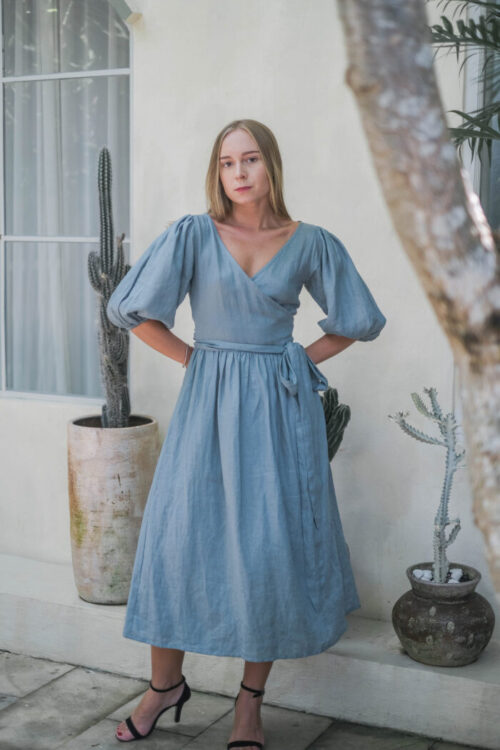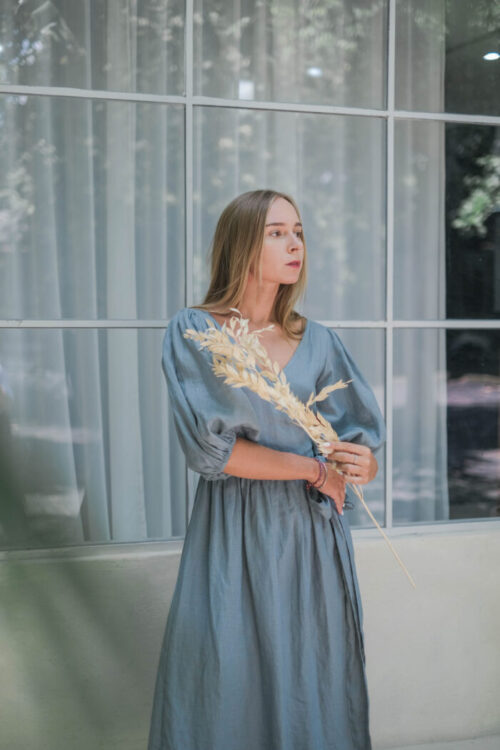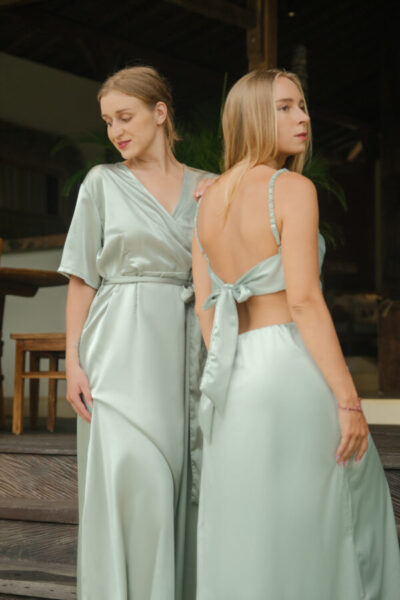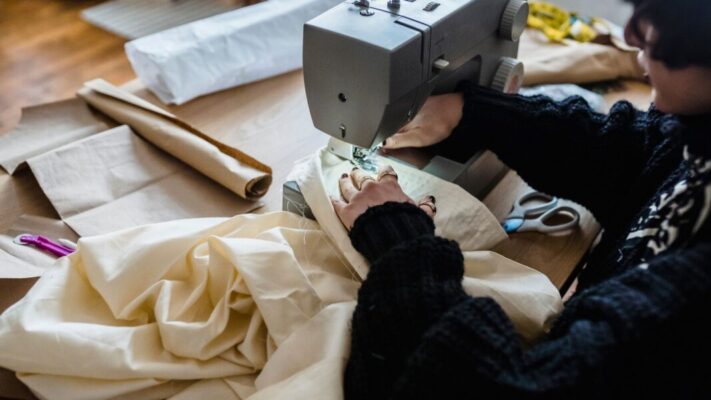
Natural fabric is a textile made from fibers that are sourced directly from plants, animals, or minerals rather than being synthetically manufactured. Examples include cotton, wool, silk, linen (from flax), hemp, and jute. These fabrics are valued for their comfort, breathability, durability, and biodegradability. Because they are naturally derived, they can absorb moisture, regulate temperature, and allow the skin to breathe, making them highly suitable for clothing worn in a variety of climates. Natural fabrics also provide a tactile quality and aesthetic appeal that is difficult to replicate with synthetic materials.
The use of natural fabrics dates back thousands of years and is closely tied to the development of human civilization. Cotton has been cultivated for over 5,000 years in regions such as India and Egypt, where it was used for lightweight clothing suitable for hot climates. Wool, obtained from sheep and other animals, was used in Mesopotamia and Europe as early as 3,000 BCE, valued for its warmth and durability. Silk was first produced in China around 3,000 BCE and became a symbol of luxury, trade, and culture, eventually spreading to Europe via the Silk Road. Linen, made from flax, was a staple in ancient Egypt for clothing, household textiles, and burial wrappings. Natural fabrics were central to trade, culture, and economy for centuries, long before the invention of synthetic fibers in the 20th century. Each natural fiber developed unique techniques for cultivation, spinning, and weaving, resulting in a variety of textures, strengths, and uses that influenced global fashion and lifestyle.
Key Characteristics of Natural Fabric
Natural fibers are breathable and comfortable against the skin, offering good moisture absorption that helps keep the body dry while providing natural thermal regulation feeling cool in warm weather and warm in cooler conditions and they are biodegradable and generally more environmentally friendly than synthetic alternatives; they are available in a wide range of textures, weights, and finishes to suit different uses, are often naturally hypoallergenic and gentle on sensitive skin, and although their durability varies depending on the specific fiber, many natural fibers are still strong enough for everyday wear and long-term use.
Uses of Natural Fabrics
Natural fabrics are used across almost every category of clothing and textile products, with cotton commonly found in casual and formal wear such as T-shirts, shirts, dresses, and underwear, wool widely used for sweaters, coats, scarves, and blankets because of its warmth, silk favored for luxury garments, scarves, ties, and traditional clothing, and linen popular for summer apparel, home textiles, and light upholstery; in addition, natural fibers are used in accessories, bags, footwear linings, and handmade or artisanal crafts, and they also play an important role in traditional, cultural, and ceremonial textiles around the world, highlighting both their historical significance and practical versatility.
Key Variations of Natural Fibers
Natural fibers come in many variations, including cotton, which is soft, breathable, and widely used for everyday clothing; wool, valued for its warmth, elasticity, and moisture absorption; silk, known for its smooth, glossy surface and impressive strength; linen, which is crisp, lightweight, and cooling; hemp, appreciated for its durability, breathability, and eco-friendly nature; jute, which is coarse and strong and commonly used for rugs, sacks, and bags; and bamboo, a regenerated natural fiber that is soft, breathable, and increasingly popular for comfort-focused and sustainable textiles.
Unique Features
Natural fabrics come directly from nature, offering intrinsic comfort, breathability, and thermal regulation. Each fiber has distinct qualities: cotton is soft and versatile, wool is insulating and elastic, silk is smooth and lustrous, and linen is crisp and cool. These inherent properties cannot be fully replicated by synthetic fibers. Additionally, natural fabrics often improve with age, becoming softer and more comfortable over time. Their texture, feel, and appearance provide a tactile and aesthetic quality that makes them preferred in both everyday clothing and high-end fashion.
Modern Fashion and Trends
In modern fashion, natural fabrics continue to dominate sustainable and eco-conscious clothing lines. Organic cotton, ethically sourced silk, and recycled wool are increasingly used to reduce environmental impact. Designers often mix natural fibers with small amounts of synthetics to improve durability or stretch while maintaining comfort and natural aesthetics. Natural fabrics are also popular in slow fashion, artisanal clothing, and traditional or cultural garments. Their texture, comfort, and eco-friendliness make them essential in contemporary fashion trends that value sustainability and authenticity.
Care and Maintenance of Natural Fabrics
Natural fabrics should be washed according to their specific fiber types using cold or warm water for cotton and linen, gentle or hand washing for silk, and special wool detergents for wool while always choosing mild detergents to protect the fibers; high heat during washing or drying should be avoided to prevent shrinkage or damage, air-drying or low-heat drying is recommended whenever possible, ironing should be done at moderate temperatures based on the fiber’s tolerance, and garments should be stored in cool, dry conditions to prevent mildew, mold, or insect damage.
Natural fabrics remain fundamental in textiles, valued for their comfort, durability, and environmental benefits. They are versatile, historically significant, and continue to shape modern clothing, fashion trends, and sustainable initiatives, proving their enduring relevance in both traditional and contemporary contexts.