Merino wool is a natural protein fiber obtained from Merino sheep, a breed known for producing exceptionally fine and soft wool. Unlike traditional wool, which can feel coarse and itchy, merino wool fibers are much thinner and smoother, making the fabric comfortable to wear directly against the skin. It can be spun into fine yarns and used in both woven and knitted fabrics, making it suitable for a wide range of garments from lightweight base layers to heavier outerwear.
Merino sheep are believed to have originated in Spain during the Middle Ages. For centuries, Spain closely guarded the Merino breed, and exporting Merino sheep was forbidden due to the high value of their wool. Merino wool became known throughout Europe for its superior quality, fineness, and softness compared to other types of wool.
In the 18th and 19th centuries, Merino sheep were introduced to other parts of the world, particularly Australia and New Zealand, which are now the leading producers of merino wool. Advances in breeding, shearing, and textile processing improved fiber consistency and quality. Over time, merino wool evolved from a luxury fiber into a widely used textile for everyday clothing, outdoor wear, and performance apparel. Today, merino wool is recognized globally for its comfort, versatility, and natural performance properties.
Key Characteristics of Merino Wool
Merino wool is prized for its exceptionally fine and soft fibers, which minimize skin irritation and provide a luxurious feel. It excels at regulating temperature, keeping the wearer warm in cold conditions and cool when it’s hot, while offering high breathability and effective moisture-wicking. Naturally antimicrobial, merino wool resists odors, making it ideal for extended wear. Despite its lightweight structure, it provides excellent insulation and has natural elasticity and resilience that help garments maintain their shape. Additionally, merino wool is naturally flame-resistant and fully biodegradable, making it a renewable and eco-friendly fiber choice.
Uses of Merino Wool
Merino wool is widely used across both apparel and home textile applications due to its unique combination of comfort, softness, and performance. In clothing, it is commonly incorporated into base layers, sweaters, t-shirts, socks, scarves, and activewear, where its natural ability to regulate temperature, wick moisture, and provide insulation makes it highly functional. Merino wool is especially favored in outdoor and athletic clothing, as it keeps the body warm in cold conditions while remaining breathable and cool in warmer environments, making it ideal for activities ranging from hiking and skiing to everyday casual wear.
Beyond clothing, merino wool is valued in home textiles such as blankets, throws, and high-quality bedding, where its softness, durability, and natural insulating properties enhance comfort and luxury. Unlike traditional wool, merino fibers are exceptionally fine and soft, allowing them to be worn directly against the skin without causing itch or irritation. This makes merino wool accessible to a wider range of consumers, including those who find coarser wools uncomfortable. Its versatility, performance, and gentle hand feel make merino wool a preferred choice in both functional and fashion-oriented textiles, bridging the gap between technical performance and everyday comfort.
Key Variations of Merino Wool
Merino wool comes in a range of weights and blends to suit different applications. Fine merino wool is lightweight and ideal for base layers, providing softness and breathability close to the skin. Medium-weight merino is commonly used for sweaters and everyday garments, balancing warmth and comfort. Heavy merino wool offers insulation for outerwear and cold-weather clothing. Blended variations include merino with nylon for enhanced durability, merino with polyester to improve moisture management, and merino with spandex to add stretch and flexibility, allowing garments to move comfortably while maintaining their shape.
Advantages of Merino Wool
Merino wool offers a combination of comfort, performance, and sustainability that distinguishes it from both traditional wool and synthetic fibers. Its fine, soft fibers provide exceptional softness, allowing garments to be worn directly against the skin without the itch or irritation commonly associated with coarser wools. This makes merino wool ideal for base layers, casual wear, and activewear where comfort in prolonged contact with the skin is essential.
One of merino wool’s most valuable functional benefits is its natural temperature regulation. The fibers can trap warmth in cold conditions while remaining breathable in warmer environments, helping the wearer stay comfortable year-round. Additionally, merino wool naturally resists odors due to its ability to wick moisture and inhibit bacterial growth, reducing the need for frequent washing and making it especially practical for travel and active lifestyles. From an environmental perspective, merino wool is renewable, biodegradable, and highly durable when responsibly sourced, offering a sustainable alternative to synthetic fibers. Its combination of softness, thermal adaptability, odor resistance, and eco-friendly qualities makes merino wool a premium choice for both performance and everyday apparel, as well as high-quality home textiles.
Unique Features of Merino Wool
The most distinctive feature of merino wool is its remarkable adaptability across a wide range of climates and activities. Unlike many fabrics that are designed for a specific temperature or environment, merino wool responds dynamically to the wearer’s body and external conditions. Its fine, crimped fibers create a natural structure that traps air, providing effective insulation in cold weather while allowing excess heat and moisture to escape when temperatures rise. This makes merino wool highly versatile, supporting comfort in both outdoor adventures and everyday wear across seasons.
Another unique property of merino wool is its ability to continue insulating even when damp a characteristic that sets it apart from most synthetic fibers, which often lose their thermal effectiveness when wet. Combined with its exceptional softness, breathability, and natural moisture-wicking capabilities, merino wool provides a rare combination of comfort, performance, and functionality. These qualities allow garments made from merino wool to remain comfortable, durable, and effective in regulating temperature, making it a truly unique and premium fiber in the textile industry.
Modern Fashion and Trends
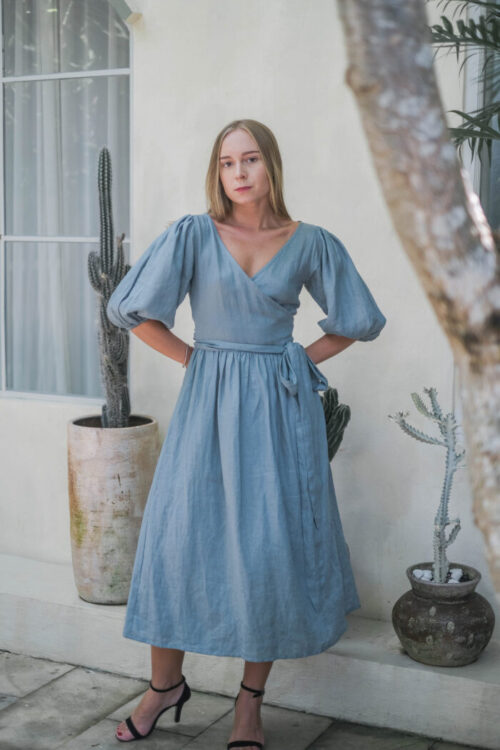
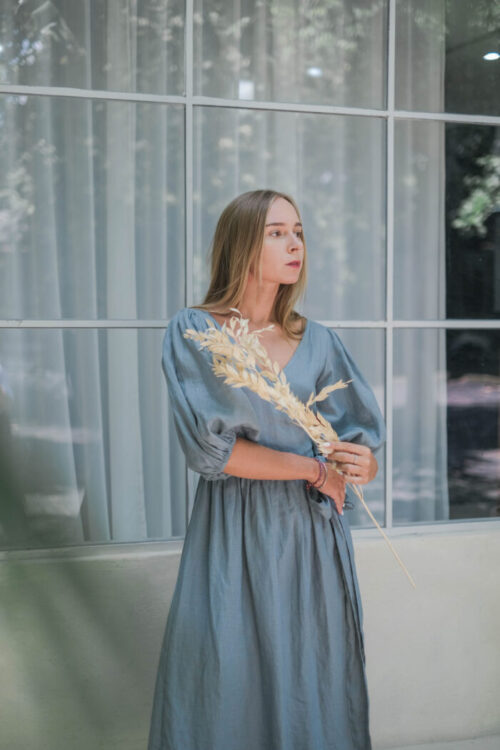
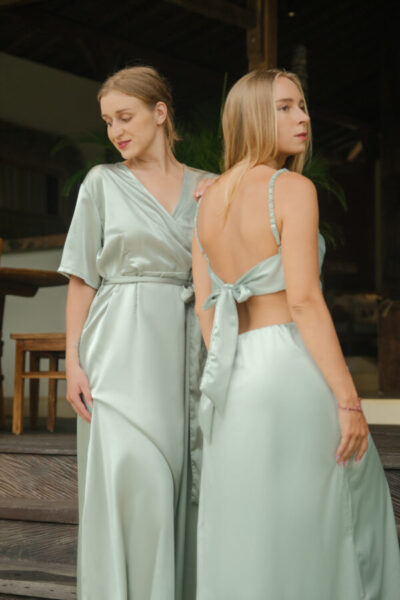
In modern fashion, merino wool has established itself as a versatile and highly valued fiber, used in both casual wear and performance-oriented clothing. It plays a central role in outdoor, hiking, and athletic apparel, particularly in base layers, thermal wear, and technical garments designed to regulate temperature, wick moisture, and provide comfort during intense activity. Its natural softness and fine fiber structure also make it suitable for everyday fashion, including minimalist and sustainable collections where tactile quality, durability, and refined aesthetics are key considerations. Designers frequently incorporate merino wool into essentials such as t-shirts, cardigans, dresses, and lightweight sweaters, allowing garments to combine comfort, elegance, and performance.
Sustainability trends have further elevated interest in merino wool, especially when it is responsibly sourced from producers who adhere to ethical and animal welfare standards. Its renewable, biodegradable nature, combined with long-lasting durability and natural odor resistance, aligns with consumer demand for fabrics that are versatile, eco-friendly, and suitable for multiple seasons and lifestyles. As modern consumers continue to prioritize comfort, performance, and environmental responsibility, merino wool remains a highly sought-after material, bridging the gap between functional performance apparel and sustainable, stylish everyday wear.
Care and Maintenance of Merino Wool
Merino wool requires gentle handling to preserve its softness, shape, and performance. Wash the fabric using cold water or a wool-specific cycle, and always use mild, wool-friendly detergents. Avoid bleach or harsh chemicals that can damage the fibers. Do not wring or twist the garment; instead, gently squeeze out excess water. Lay merino wool flat to dry to maintain its shape and prevent stretching. Avoid high heat, tumble drying, and ironing directly on the fibers. Store folded rather than hung to prevent distortion and stretching over time.