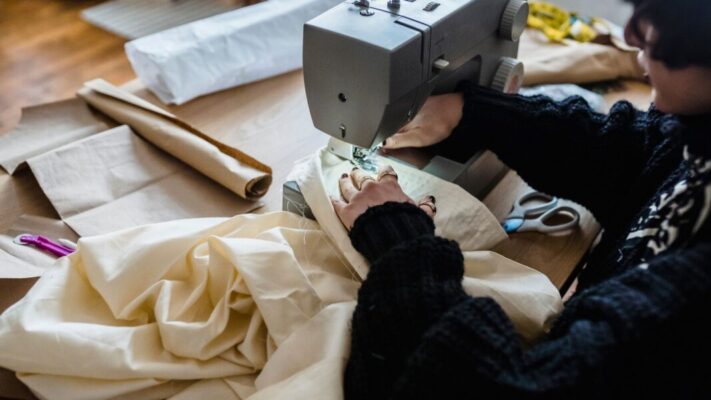
Polycotton is a blended fabric made from polyester and cotton fibers, combining the strengths of both materials into a single textile. The blend ratio can vary, but common compositions include 65% polyester / 35% cotton or 50% polyester / 50% cotton. Polyester contributes durability, wrinkle resistance, and quick-drying properties, while cotton adds softness, breathability, and comfort. As a result, polycotton fabrics offer a balance between natural comfort and synthetic performance, making them widely used in everyday clothing, uniforms, bedding, and industrial textiles. Polycotton is generally lighter than pure cotton, less prone to shrinking, and easier to maintain, which has contributed to its global popularity.
Polycotton emerged in the mid-20th century, following the commercial development of polyester fibers. As synthetic textiles gained popularity after World War II, manufacturers sought ways to improve comfort while maintaining durability and reducing costs. Blending polyester with cotton proved to be an effective solution. By the 1950s and 1960s, polycotton fabrics became common in shirts, uniforms, and home textiles, especially in regions where durability and ease of care were essential. Over time, improvements in fiber technology and spinning methods enhanced the softness and breathability of polycotton. Today, polycotton remains a staple fabric across industries, from fashion and hospitality to healthcare and education, and is increasingly produced using recycled polyester to reduce environmental impact.
Key Characteristics of Polycotton
Polycotton is a blended fabric made from polyester and cotton fibers, combining the softness and comfort of cotton with the durability and easy-care properties of polyester. It has a smooth, comfortable hand feel and is more wrinkle-resistant than pure cotton, making it suitable for everyday wear and uniforms. Polycotton is durable, long-lasting, and resistant to shrinking and stretching, while remaining breathable—though slightly less so than 100% cotton. It also dries faster than cotton, is cost-effective, and widely available, which makes it a practical choice for a wide range of apparel and textile applications.
Uses of Polycotton
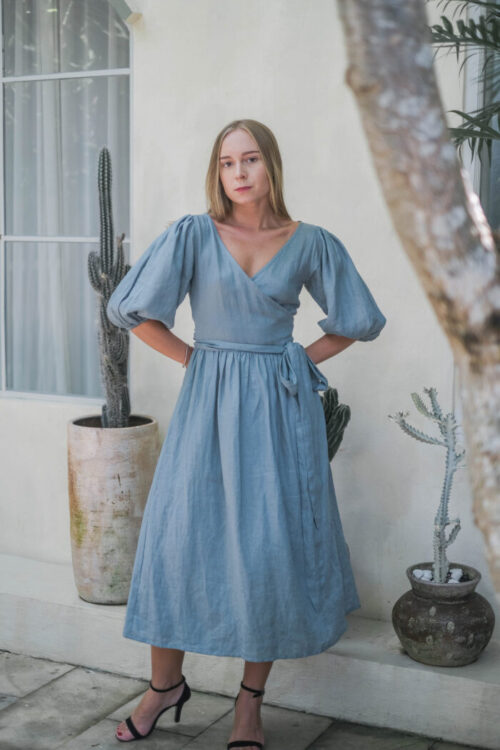
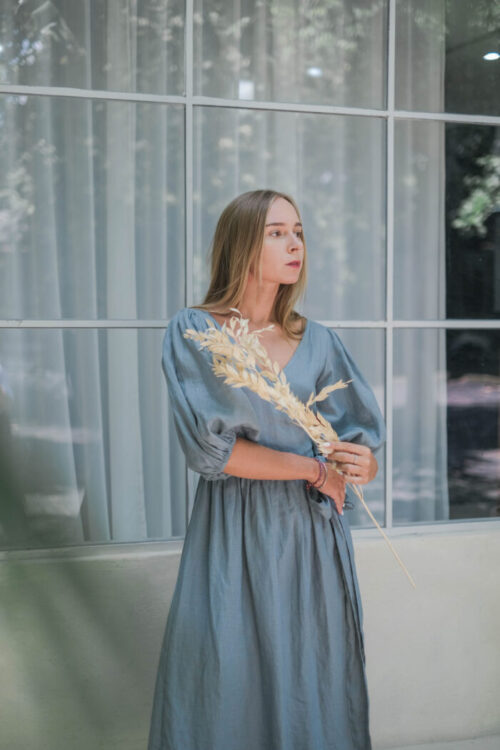
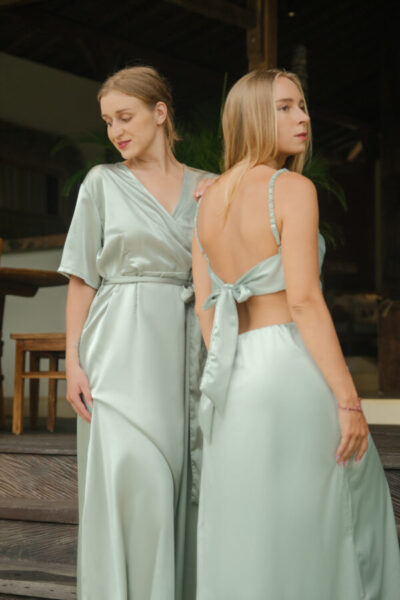
Polycotton is widely used across apparel and home textile applications because of its versatility, durability, and ease of care. In clothing, it is commonly found in shirts, t-shirts, dresses, trousers, uniforms, and workwear, where it offers the natural comfort of cotton combined with the strength and resilience of polyester. This blend allows garments to maintain their shape, color, and overall appearance even with regular use, making polycotton especially suitable for everyday wear and practical clothing needs.
Polycotton is particularly popular in school uniforms, corporate attire, and healthcare garments, as these applications demand fabrics that can withstand frequent washing, extended wear, and consistent exposure to daily activity. In home textiles, polycotton is widely used for bedsheets, pillowcases, curtains, tablecloths, and mattress covers because it resists wrinkling, dries quickly, and requires minimal ironing. Its balanced performance and cost-effectiveness also make it a preferred choice for industrial and hospitality textiles, including hotel linens and institutional bedding, where comfort, affordability, and long-term durability are equally important.
Key Variations of Polycotton
Polycotton fabric is available in several variations depending on fiber ratio and weave, including 65/35 polycotton, which offers higher durability and wrinkle resistance, and 50/50 polycotton that balances softness with strength for everyday use. High-cotton polycotton blends provide a more breathable feel and a closer resemblance to natural cotton, while polycotton twill features a stronger weave commonly used for uniforms and trousers. Polycotton poplin is lightweight and smooth, making it ideal for shirts, and recycled polycotton incorporates recycled polyester fibers as a more sustainable option without compromising performance.
Advantages of Polycotton
Polycotton offers numerous advantages that make it a practical and reliable fabric for everyday use across a wide range of applications. By combining the natural softness and breathability of cotton with the strength, durability, and wrinkle resistance of polyester, polycotton creates a balanced textile that feels comfortable on the skin while remaining highly functional. This blend allows garments and home textiles to retain a neat appearance throughout the day without the stiffness or heavy feel often associated with fully synthetic fabrics.
One of the key benefits of polycotton is its ease of maintenance. Compared to pure cotton, it dries more quickly, requires less ironing, and is less prone to creasing, making it well suited for modern lifestyles that value convenience and efficiency. Polycotton is also more resistant to shrinking and fading, enabling it to withstand frequent washing while maintaining its shape and color over time. In addition, its affordability and versatility make it accessible for a broad range of uses, from casual and professional clothing to uniforms, bedding, and household textiles. These combined qualities position polycotton as a dependable fabric choice that successfully balances comfort, durability, and practicality.
Unique Features of Polycotton
The key uniqueness of polycotton lies in its carefully engineered fiber blend, which balances the natural qualities of cotton with the functional advantages of synthetic fibers in a single fabric. Unlike pure cotton, polycotton offers better shape retention and significantly reduced wrinkling, allowing garments and home textiles to maintain a neater appearance with less effort. At the same time, it remains softer and more breathable than fully synthetic fabrics, creating a comfortable wearing and usage experience that bridges the gap between natural comfort and practical performance.
Another distinctive feature of polycotton is its adaptability in production. By adjusting the ratio of cotton to polyester, manufacturers can fine-tune the fabric’s performance to suit different climates, uses, and design requirements, ranging from lightweight, breathable textiles to more durable, structured fabrics. In addition, modern polycotton developments increasingly incorporate sustainable practices, such as the use of recycled polyester and low-impact dyeing methods, reducing environmental impact while maintaining fabric quality. This flexibility, combined with balanced comfort and durability, makes polycotton a uniquely versatile fabric across fashion, uniforms, and home textile applications.
Modern Fashion and Trend
In modern fashion, polycotton has become a widely used fabric due to its practicality, versatility, and balanced performance. It is commonly found in casual wear, uniforms, and functional clothing, where durability and comfort are essential for everyday use. Polycotton is especially popular in streetwear, workwear, and minimalist fashion, as these styles prioritize clean silhouettes, ease of movement, and fabrics that maintain their shape and appearance with minimal maintenance. Its ability to combine a natural look with reliable performance makes it well suited to contemporary designs that favor simplicity and function over excessive detailing.
Sustainability trends have also influenced the growing use of polycotton, with many brands adopting blends that incorporate recycled polyester to reduce environmental impact while preserving fabric strength and longevity. In home textiles, polycotton continues to be a preferred choice for bedding, linens, and household fabrics because of its easy-care properties, quick drying time, and resistance to wrinkling. These qualities align closely with modern lifestyles that value convenience, durability, and comfort, ensuring that polycotton remains a relevant and dependable fabric choice in both fashion and home textile markets.
Care and Maintenance of Polycotton
Polycotton fabrics are easy to care for and can be machine washed in cold or warm water using a mild detergent, while excessive bleach and harsh chemicals should be avoided to protect the fibers. Tumble drying on low heat or air-drying is recommended, and if ironing is needed, a medium heat setting is sufficient to smooth wrinkles without damaging the fabric. Washing with similar colors helps prevent color transfer, and avoiding high heat during washing, drying, or ironing will extend the fabric’s lifespan. Polycotton garments can be stored folded or hung to maintain shape and minimize wrinkling.