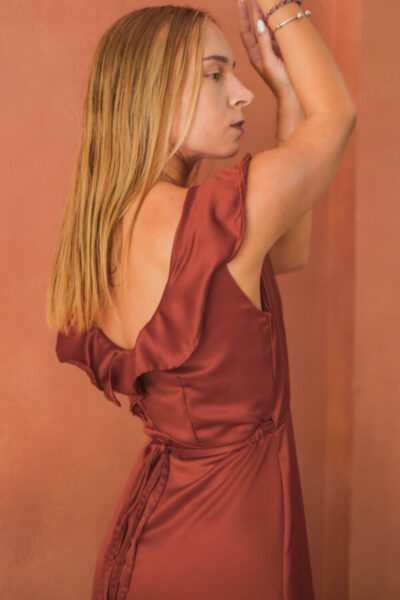
Lace is a decorative openwork fabric characterized by intricate patterns and deliberate spaces created between threads. Unlike solid fabrics, lace is designed to emphasize ornamentation, delicacy, and transparency, making it a symbol of elegance and craftsmanship. Lace can be made from natural fibers such as cotton, silk, and linen, as well as synthetic fibers like polyester and nylon, depending on the intended use and cost. It is produced through techniques such as weaving, knitting, embroidery, or knotting, resulting in a fabric that is both lightweight and visually complex. Lace is widely used in fashion, accessories, and home décor, particularly in garments that highlight refinement and detail.
The history of lace dates back to the late 15th and early 16th centuries in Europe, particularly in regions such as Italy and Flanders. Early lace was handmade using techniques like needle lace and bobbin lace, which required exceptional skill and time. Lace quickly became a luxury textile, worn by royalty and the upper classes as a symbol of wealth and status. During the 17th and 18th centuries, lace was highly valued in collars, cuffs, veils, and formal attire. The Industrial Revolution brought significant change with the invention of lace-making machines in the 19th century, making lace more affordable and accessible. Today, lace remains a staple in both high fashion and everyday garments, combining traditional craftsmanship with modern technology.
Key Characteristics of Lace
Lace is characterized by its decorative openwork structure with visible, intricate patterns that create a lightweight and delicate appearance. It is typically transparent or semi-transparent and can feel soft or firm depending on the fiber content and construction method used. Often applied as an overlay or accent fabric, lace is available in both natural and synthetic fibers and may be either elastic or non-elastic. Due to its fine structure and detailed patterns, lace requires careful handling to maintain its beauty and integrity.
Uses of Lace
Lace is widely used across fashion, accessories, and interior textiles because of its intricate patterns and decorative appeal. In apparel, lace is commonly incorporated into dresses, blouses, skirts, lingerie, and wedding gowns, where it adds elegance, femininity, and visual depth. Its delicate structure allows designers to use lace either as a subtle accent such as trims, panels, or overlays or as the main fabric to create statement pieces that emphasize craftsmanship and detail.
Beyond clothing, lace is frequently used in accessories such as veils, shawls, gloves, and scarves, enhancing their ornamental and romantic character. In home décor, lace appears in curtains, tablecloths, runners, and cushion covers, contributing a refined and graceful atmosphere to interior spaces. Lace is also popular in crafts, costume design, and theatrical applications, where intricate detailing and visual texture play a key role in storytelling and aesthetic expression. This versatility allows lace to transition seamlessly between fashion and lifestyle applications, functioning both as a complementary detail and as a central design feature that elevates the overall look.
Key Variations of Lace
Lace comes in many variations distinguished by technique, weight, and appearance, including Chantilly lace, which is fine, delicate, and richly detailed; Guipure (Venise) lace, known for its heavier construction and bold motifs without a net backing; and Alençon lace, a needle lace featuring raised outlines for added dimension. There is also crochet lace, traditionally handmade with crochet techniques, stretch lace blended with elastane for flexibility and comfort, chemical lace produced by dissolving a base fabric to leave intricate patterns, and embroidered lace, where stitched designs enhance texture and visual interest.
Advantages of Lace
Lace offers unique advantages in textile design, particularly in its ability to add elegance, texture, and visual depth without adding significant weight to a garment or textile product. The intricate openwork structure creates a refined, decorative appearance while allowing air to pass through easily, making lace naturally breathable and comfortable to wear. This quality enables lace to be layered effectively, allowing it to adapt well to both warm and cool climates depending on how it is styled and combined with other materials.
Another key advantage of lace is its versatility in design application. It can function as a primary fabric for statement pieces or be used as a decorative accent to enhance specific areas such as sleeves, necklines, hems, or overlays. Advances in textile technology have expanded lace beyond traditional luxury uses, making it available in more durable, affordable, and consistent forms suitable for everyday fashion and home décor. Synthetic lace varieties, in particular, offer improved strength, elasticity, and ease of maintenance, allowing lace to retain its aesthetic appeal while meeting modern demands for practicality, durability, and low-care performance.
Unique Features of Lace
What truly sets lace apart is its ornamental open structure, which carefully balances fabric and empty space to create intricate and visually striking designs. Unlike printed or surface-applied patterns, lace motifs are structural, meaning the design is formed directly by the construction of the fabric itself. This gives lace a depth and dimensional quality that cannot be replicated through printing or simple weaving, making each pattern an integral part of the textile rather than a decorative addition.
Lace can vary widely in appearance and character, ranging from extremely delicate and fine to bold, graphic, and almost architectural, depending on the technique, yarn, and material used. This versatility allows lace to be interpreted in both classic and contemporary ways, adapting to changing fashion and design trends. The combination of structural beauty, craftsmanship, and adaptability gives lace a timeless appeal, positioning it as a fabric that bridges tradition and innovation while remaining relevant across generations and styles.
Modern Fashion and Trend
In modern fashion, lace is used across a broad spectrum of styles, ranging from bridal wear and haute couture to contemporary casual and streetwear-inspired designs. Designers increasingly experiment with lace by layering it over solid fabrics, combining it with contrasting textures, or applying it to unexpected silhouettes that challenge its traditionally romantic image. This creative approach allows lace to feel fresh and modern, transforming it from a purely decorative element into a versatile design component that can appear delicate, bold, or edgy depending on styling and construction.
Sustainability trends have also influenced the evolution of lace, with growing interest in recycled fibers, eco-friendly yarns, and more responsible manufacturing processes that reduce environmental impact. Stretch lace has become especially popular in lingerie, intimate apparel, and body-conscious garments, as it combines visual elegance with improved comfort, flexibility, and fit. As fashion continues to evolve, lace remains a symbol of refinement and craftsmanship while constantly adapting to contemporary tastes, technologies, and lifestyle-driven design priorities.
Care and Maintenance of Lace
Lace fabric requires gentle care to preserve its delicate structure and detailed patterns. It should be hand washed or cleaned on a delicate machine cycle using a mild detergent, and washing in a laundry bag is recommended to prevent snagging or tearing. Bleach and harsh chemicals should be avoided. Lace should be air-dried flat and never tumble dried, as heat can damage the fibers. If ironing is necessary, use low heat with a protective pressing cloth. Store lace garments folded or carefully hung to avoid stretching, and keep them away from sharp accessories or rough surfaces to maintain their appearance and longevity.