The fashion industry has long been criticized for its environmental footprint. Mass production, synthetic fabrics, and short-lived trends contribute to waste, pollution, and resource depletion. Millions of tons of clothing end up in landfills each year, while water-intensive crops and chemical dyes strain ecosystems worldwide. Fast fashion prioritizes speed and low cost over quality, often resulting in garments that are worn only a few times before being discarded. In this context, sustainable fashion is no longer just a niche concept, it’s a critical response to the environmental challenges created by conventional practices.
Preserving Natural Resources
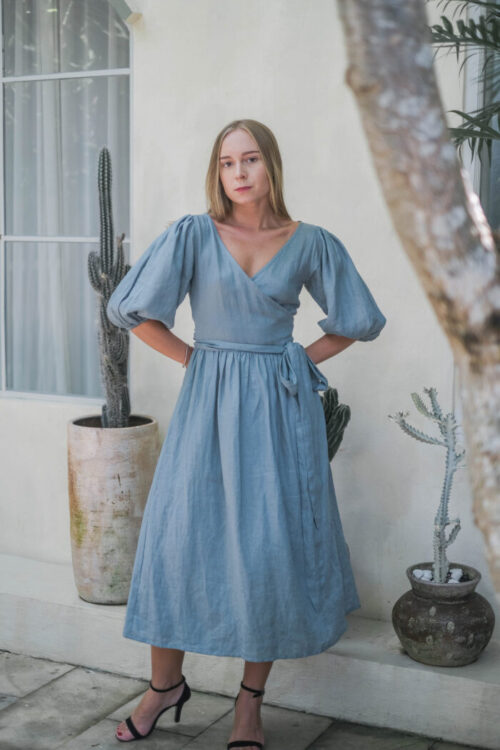
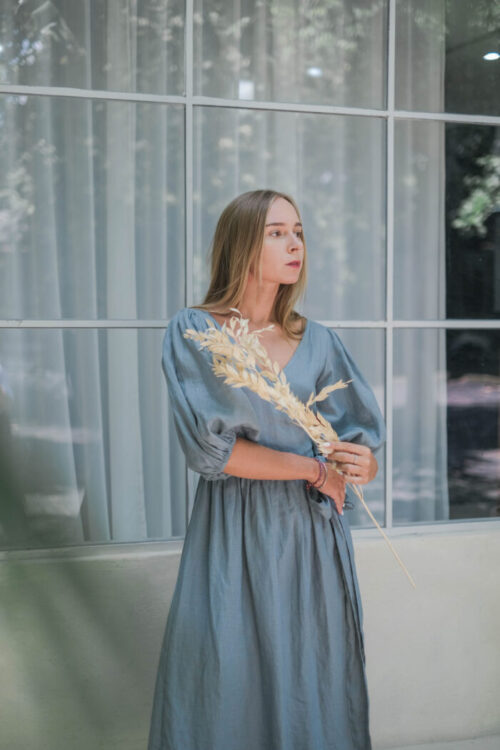
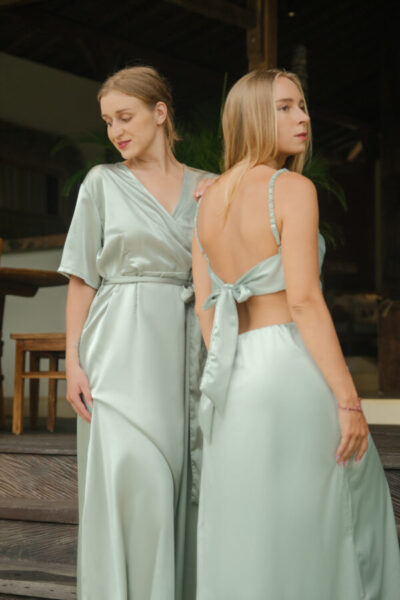
Sustainable fashion emphasizes the responsible use of materials, energy, and water. Natural fibers such as linen, organic cotton, and bamboo require less chemical input and are biodegradable, reducing long-term environmental harm. Regenerated fabrics like eco-friendly rayon and Tencel further extend these principles by using closed-loop processes that minimize waste. Brands that adopt sustainable practices consider the entire lifecycle of a garment, from fiber sourcing to end-of-life disposal. By doing so, they contribute to the preservation of natural resources and demonstrate accountability toward the planet.
Ethical Labor Practices
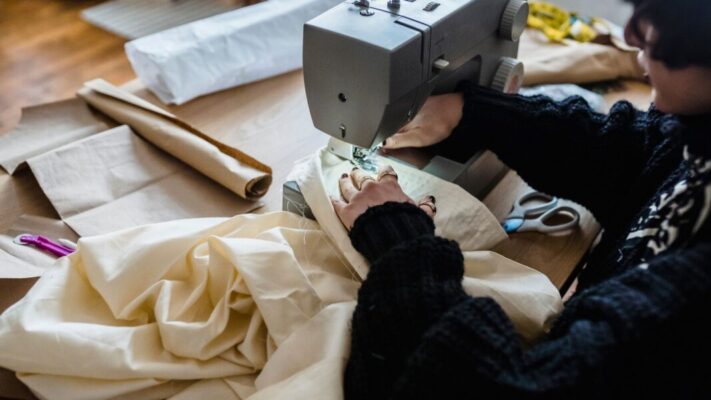
Sustainability in fashion is not only about the environment it also encompasses social responsibility. Many fast-fashion brands rely on low-wage labor, unsafe working conditions, and exploitative supply chains. Sustainable fashion brands prioritize fair wages, safe workplaces, and transparency throughout the manufacturing process. Supporting ethical labor practices ensures that the people creating garments are treated with dignity and respect, which enhances brand integrity and resonates with conscientious consumers.
Slow Fashion and Longevity
A core principle of sustainable fashion is creating garments that last. High-quality fabrics, careful construction, and timeless design extend the lifespan of clothing, reducing the need for constant replacement. Natural fabrics like linen and sustainably sourced rayon or cotton often improve with wear, softening over time while retaining durability. This focus on longevity encourages mindful consumption, allowing consumers to invest in pieces they will cherish for years rather than participating in a cycle of disposable fashion.
The Consumer Shift
Modern consumers are increasingly aware of the impact of their choices. Shoppers prioritize brands that demonstrate commitment to environmental and social responsibility. Sustainable fashion offers transparency, quality, and authenticity values that resonate with an audience seeking more than fast-moving trends. By choosing sustainable clothing, consumers can align their purchasing decisions with personal values, supporting brands that care about the planet and the people who produce their garments.
Innovation and Creativity in Sustainable Fashion
Sustainability is also driving innovation in fabric development, design processes, and manufacturing techniques. Designers are experimenting with natural dyes, recycled materials, and eco-friendly blends to create stylish yet responsible collections. Sustainable fashion encourages creativity within constraints, pushing the industry to produce garments that are not only beautiful but also conscientious in their environmental and social footprint. This fusion of innovation and responsibility is shaping the future of fashion in a way that is inspiring for both brands and consumers. Sustainable fashion matters more than ever because the consequences of conventional fashion practices are increasingly visible. From environmental degradation to labor exploitation, the industry faces urgent challenges that require thoughtful solutions. By embracing sustainability, brands can reduce their ecological impact, support ethical labor, and offer consumers garments that are durable, timeless, and meaningful. For modern fashion, sustainability is no longer optional; it is a responsibility that defines quality, innovation, and true style.