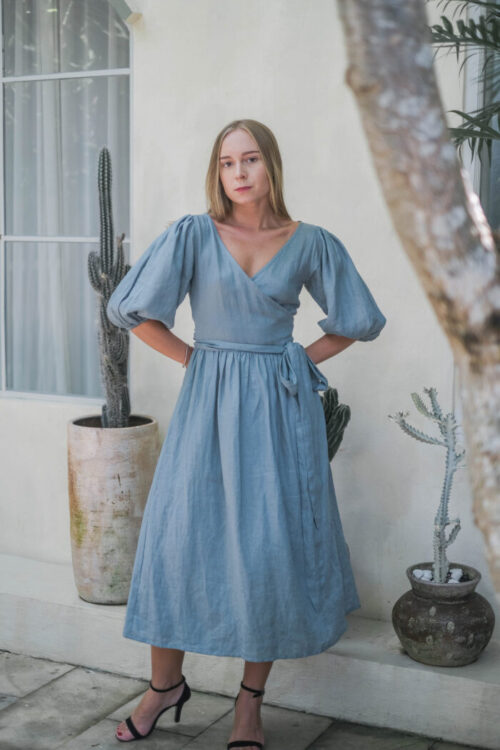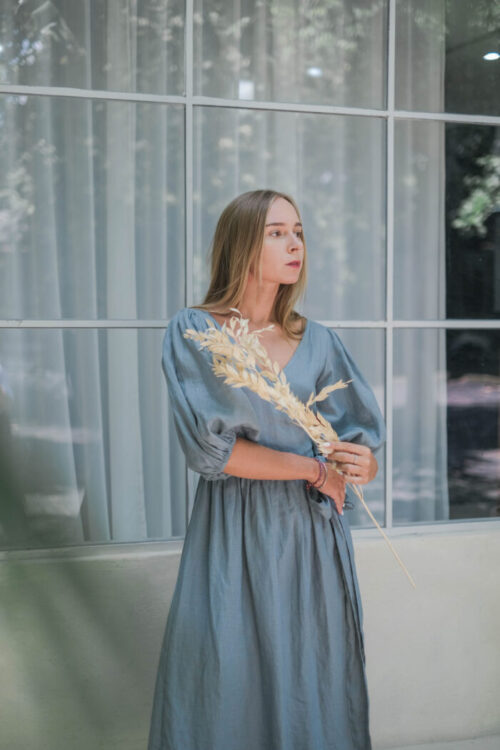
Linen, derived from the flax plant, is one of the most environmentally friendly fabrics available. Unlike cotton, which requires vast amounts of water and pesticides, flax grows with minimal irrigation and few chemical inputs. Its cultivation has a smaller ecological footprint, making linen a responsible choice for designers and brands seeking to reduce environmental impact. Linen is fully biodegradable, meaning garments made from this fabric return to the earth naturally at the end of their life, rather than contributing to landfill waste or microplastic pollution.
Minimal Water and Chemical Usage
One of linen’s most significant environmental advantages is its low water consumption. Flax requires far less water than cotton or other commonly used natural fibers, which is crucial in a world where water scarcity is an increasing concern. Additionally, flax grows naturally in many regions without heavy reliance on fertilizers or pesticides, reducing soil contamination and protecting local ecosystems. For fashion brands, this translates to a fabric that is sustainable not only in production but throughout its lifecycle from cultivation to garment creation.
Longevity and Slow Fashion
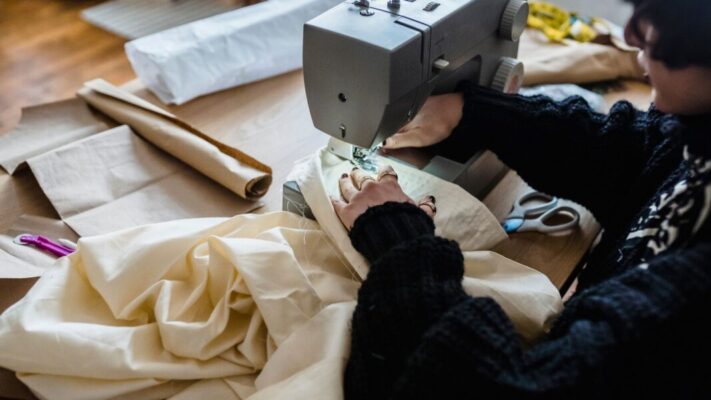
Linen is known for its durability and long-lasting qualities. Unlike many fast-fashion fabrics, linen improves with age, becoming softer and more comfortable over time without losing strength. This longevity encourages consumers to invest in high-quality garments that last for years rather than participating in a cycle of disposable fashion. By promoting slow fashion principles, linen reduces the frequency of new garment purchases, ultimately lowering resource consumption and waste generation in the fashion industry.
Energy-Efficient Production
The processing of linen also tends to consume less energy compared to synthetic fabrics. Mechanical processing of flax fibers requires minimal industrial energy, and many traditional techniques rely on natural processes such as water retting or enzymatic retting. These energy-efficient methods reduce greenhouse gas emissions and make linen an eco-conscious alternative to polyester or other synthetic fabrics, which are heavily dependent on petroleum-based resources and high-energy manufacturing processes.
Biodegradable and Circular by Nature
At the end of its life cycle, linen garments are fully biodegradable, returning nutrients to the soil without leaving harmful residues. This contrasts sharply with synthetic fabrics like polyester, which can take hundreds of years to decompose and release microplastics into the environment. Linen’s natural recyclability and compostability make it a key fabric in circular fashion models, supporting sustainable textile practices and reducing the fashion industry’s long-term environmental impact.
Versatility and Eco-Friendly Design
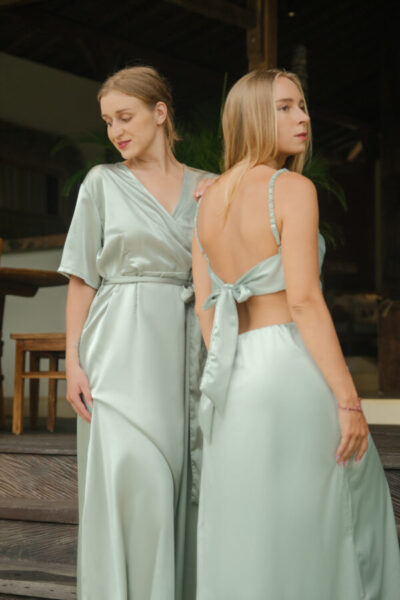
Linen’s adaptability also makes it a sustainable choice across various designs. From casual summer wear to elegant resort collections, linen can be used alone or blended with other eco-friendly fibers like organic cotton or rayon. Its versatility allows brands to create stylish, breathable, and durable garments without compromising environmental responsibility. In tropical destinations like Bali, linen’s natural cooling properties further reduce the need for energy-intensive climate control, adding another layer of environmental benefit for wearers and producers alike.
Linen as a Sustainable Fabric Choice
The environmental benefits of linen are clear: minimal water and chemical use, energy-efficient production, biodegradability, and long-lasting durability. By choosing linen, designers and brands contribute to reducing the fashion industry’s ecological footprint while offering consumers garments that combine style, comfort, and sustainability. Linen embodies the principles of slow, responsible fashion, proving that elegance and environmental consciousness can coexist seamlessly in modern wardrobes.