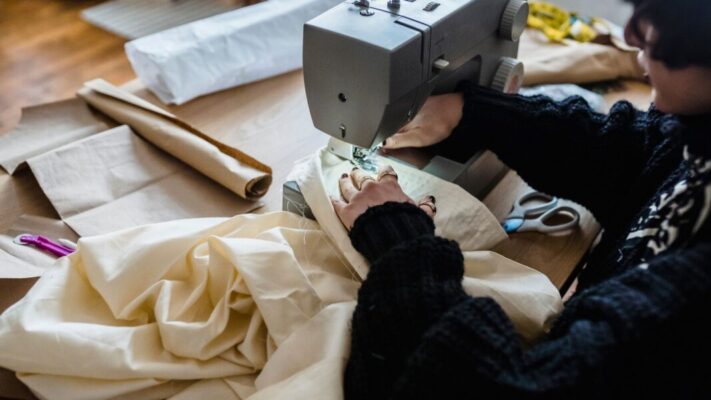
In the competitive world of fashion, the quality of your garments is directly tied to your brand’s reputation. Poorly made clothing can result in dissatisfied customers, returns, and negative reviews, all of which harm brand credibility. Implementing strict quality control (QC) measures ensures that every piece leaving the factory meets high standards of construction, fit, and durability. For emerging and established brands alike, consistent quality signals professionalism and reliability, helping to build trust with customers and secure long-term loyalty.
Catching Issues Early
Quality control is most effective when integrated throughout the production process. Inspections at every stage from fabric sourcing and cutting to sewing and finishing allow issues to be detected early, preventing costly mistakes and reducing waste. Identifying flaws in patterns, stitching, or material before bulk production begins saves both time and resources. This proactive approach is particularly important for small-batch or low-MOQ production, where each piece carries significant value for the brand. Early detection ensures that the final products reflect the design intent accurately and consistently.
Maintaining Consistency Across Batches
Consistency is a hallmark of quality clothing. Whether a brand is producing a single season or multiple collections per year, each garment should meet the same standards. Quality control ensures uniformity in sizing, color, fabric performance, and finishing. For factories like those in Bali, where craftsmanship and manual processes are combined with technology, QC procedures help maintain this balance, ensuring that each batch aligns with the approved samples and brand specifications. Consistency not only enhances customer satisfaction but also minimizes returns and complaints.
Reducing Waste and Production Costs
Quality control is closely linked to sustainability. Garments with defects or errors often result in material waste, additional labor, and rework costs. By implementing thorough QC checks, manufacturers minimize the likelihood of producing flawed garments, reducing unnecessary fabric waste and energy consumption. For eco-conscious brands, this means sustainability is not only a design principle but also an operational practice, aligning production efficiency with environmental responsibility.
Enhancing Communication Between Designers and Manufacturers
A strong quality control process fosters better communication between design teams and production facilities. By documenting and reporting issues in real time, designers can provide clarification, approve adjustments, and refine technical specifications. This continuous feedback loop helps prevent misinterpretations that could compromise garment quality. Effective communication ensures that the final product is faithful to the original design while meeting practical requirements for durability and comfort.
Building Consumer Trust
High-quality garments translate directly into consumer satisfaction and loyalty. Customers who receive products that meet or exceed expectations are more likely to return and recommend the brand to others. Quality control demonstrates a brand’s commitment to excellence and responsibility, reinforcing trust and encouraging long-term engagement. This trust is particularly important for luxury, resort wear, or ethically produced collections, where consumers are willing to invest in garments that combine style, function, and durability. Quality control is not merely a step in the production process, it is a strategic advantage that protects brand reputation, ensures consistency, reduces waste, and builds customer trust. For fashion brands, integrating rigorous QC practices from fabric selection to final inspection is essential for creating garments that are both beautiful and reliable. By prioritizing quality, manufacturers and brands alike can deliver clothing that stands the test of time, reflects the brand’s values, and enhances the overall customer experience.