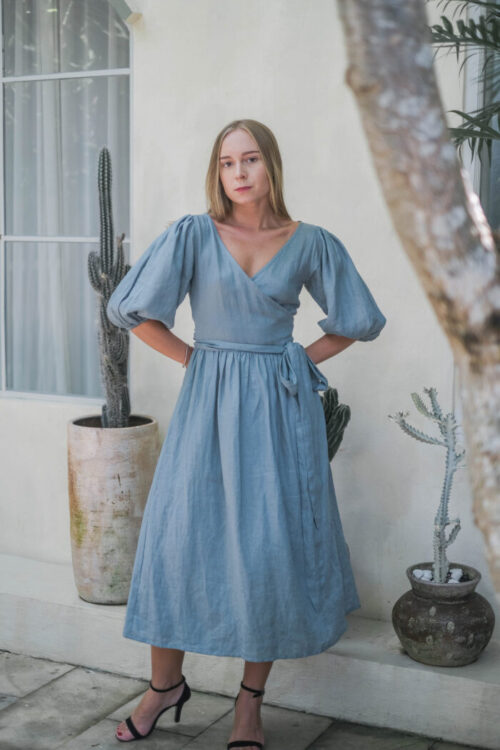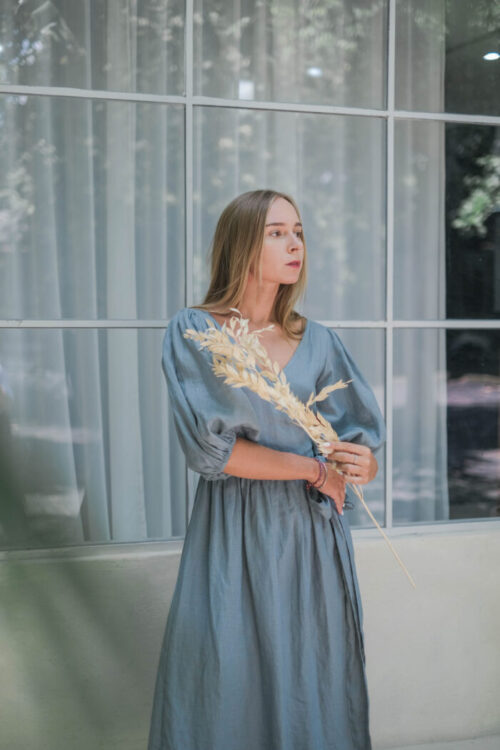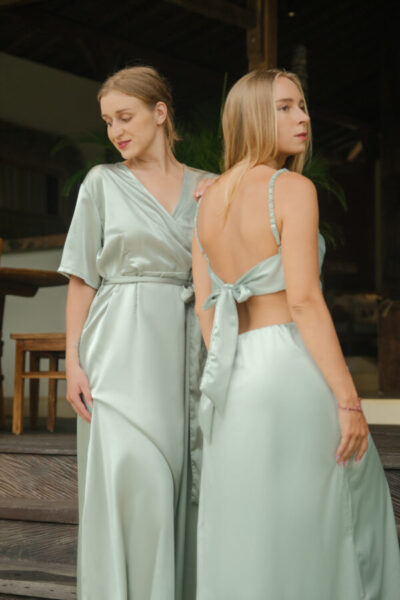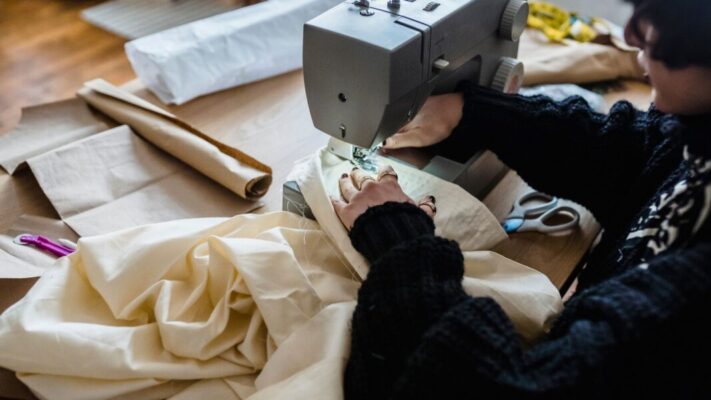
Independent designers are the heartbeat of creativity in the fashion industry. They bring fresh ideas, unique aesthetics, and personal storytelling that often challenge conventional norms. However, turning a concept into a tangible product can be challenging for emerging brands due to limited resources, production expertise, and access to high-quality materials. Supporting independent designers means bridging that gap providing guidance, technical know-how, and reliable manufacturing solutions while respecting their vision. By collaborating closely with these creatives, manufacturers help bring innovative designs from sketches and mood boards to fully realized garments, ensuring that new voices in fashion are empowered to flourish in a competitive market.
Collaborative Design and Technical Guidance
One of the key ways we support independent designers is through hands-on collaboration in the design and development process. Many designers have brilliant ideas but may lack the technical experience required for production. Working alongside them, manufacturers provide guidance on pattern making, fabric selection, garment construction, and finishing details. This ensures that designs are not only aesthetically compelling but also functional, wearable, and manufacturable at scale. Tech packs, material sourcing guidance, and prototype reviews become essential tools in this collaboration, helping designers communicate their vision clearly while learning best practices in garment production. The goal is always to maintain the integrity of the designer’s vision while providing practical solutions to bring their ideas to life.
Access to Quality Fabrics and Ethical Production
Independent designers often face challenges in sourcing premium, ethically produced fabrics at manageable quantities. Supporting designers means providing access to sustainable materials such as organic cotton, linen, bamboo, and other eco-friendly textiles that elevate their collections while aligning with ethical production standards. By offering small-batch production, low minimum order quantities, and flexible sourcing options, manufacturers help designers experiment with new materials and collections without committing to large-scale orders. This approach fosters creativity while reducing waste and minimizing financial risk, allowing emerging brands to focus on innovation and storytelling rather than logistical hurdles.
Prototyping and Sample Development
Developing samples is a critical step for independent designers, as it transforms conceptual sketches into tangible garments. Manufacturers assist designers in creating precise prototypes, ensuring that proportions, fit, and finishes meet both aesthetic and functional expectations. This process often involves multiple iterations, providing designers with the opportunity to refine their vision while learning the nuances of production. Accurate samples are crucial for gaining investor interest, launching collections, and preparing for retail or online sales. By providing professional support during prototyping, manufacturers empower independent designers to confidently move from concept to market-ready products.
Mentorship and Industry Insights
Beyond production support, independent designers benefit greatly from mentorship and insights into industry practices. Manufacturers who actively support emerging brands often provide guidance on cost estimation, pricing strategies, sustainability considerations, and scaling operations. They share knowledge on production timelines, quality control standards, and logistics, helping designers navigate the complexities of the fashion supply chain. This mentorship equips designers with the tools and understanding needed to grow their brands responsibly, make informed decisions, and maintain high-quality standards as their businesses expand.
Flexible Manufacturing for Creative Freedom
A major barrier for independent designers is the rigidity of traditional manufacturing processes. Supporting emerging brands requires flexibility in production, allowing for small-batch runs, customized designs, and adaptations during sampling and early production. By offering adaptable production schedules, manufacturers enable designers to experiment, test new concepts, and respond to market feedback without the pressure of large-scale commitments. This flexibility nurtures creativity, encourages innovation, and ensures that designers maintain control over their brand’s identity while producing garments that meet professional standards.
Promoting Sustainable and Ethical Practices
Supporting independent designers also involves encouraging sustainable and ethical practices throughout the production process. This includes sourcing eco-friendly fabrics, minimizing waste, using low-impact dyes, and ensuring fair labor conditions. By guiding designers to adopt responsible practices from the start, manufacturers help emerging brands build reputations that resonate with conscious consumers. Sustainability becomes a core component of the designer’s identity, strengthening brand loyalty and aligning with the growing global emphasis on responsible fashion. Supporting independent designers is about more than manufacturing garments; it is about fostering creativity, providing expertise, and enabling emerging brands to thrive. Through collaborative design, technical guidance, access to quality materials, flexible production, and mentorship, manufacturers play a pivotal role in helping new voices in fashion succeed. These partnerships ensure that unique visions are realized with precision, quality, and sustainability, allowing independent designers to grow their brands confidently. By empowering creativity and combining it with professional production support, manufacturers help shape the next generation of fashion innovators, creating a vibrant and diverse industry where fresh ideas are valued, nurtured, and brought to life.