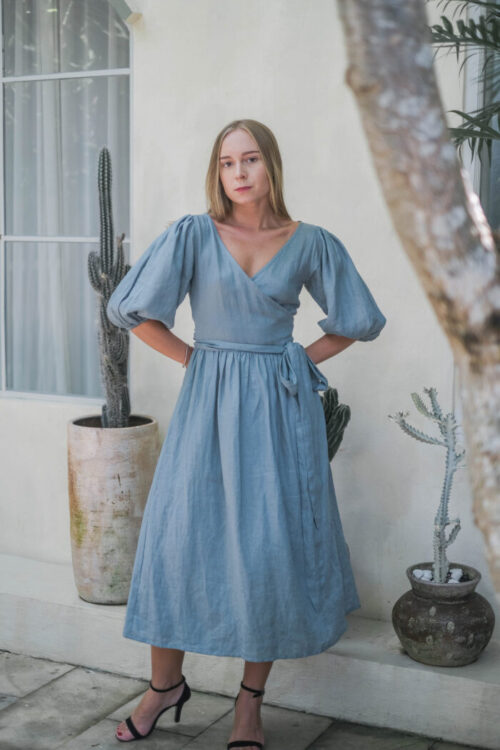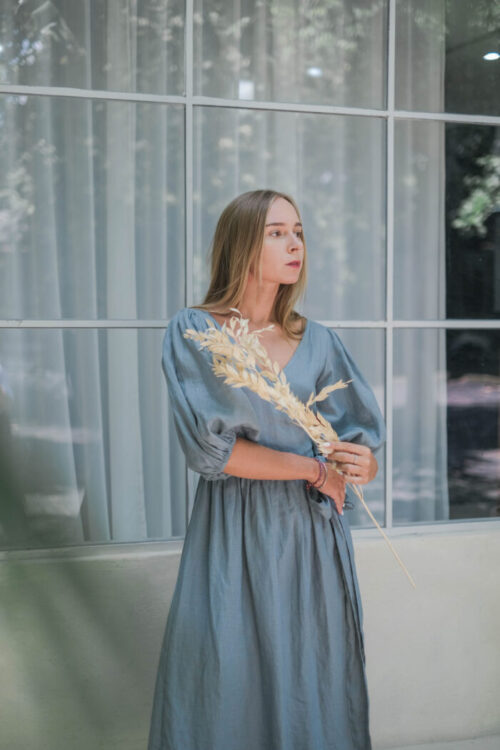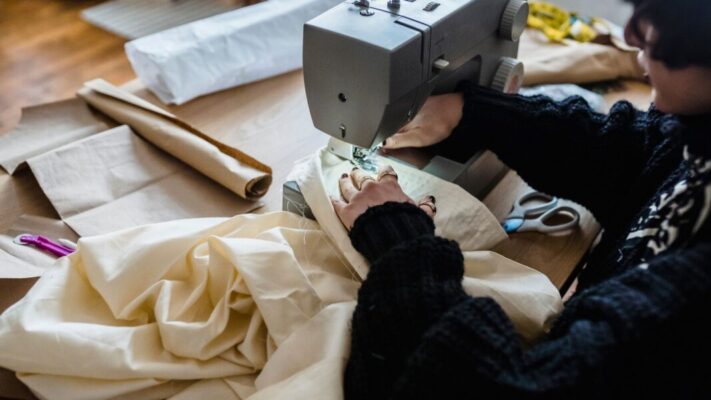
Bali is renowned not only for its arts and textiles but also for its vibrant tradition of artisanal dyeing. Local dye houses have preserved age-old techniques, from hand-dyeing to natural indigo and plant-based colors, often passed down through generations. These methods create fabrics with distinctive textures, hues, and depth, reflecting both culture and craftsmanship. In a fashion industry increasingly focused on sustainability and authenticity, partnering with artisanal dye houses allows designers and manufacturers to incorporate these unique qualities into contemporary collections. The collaboration celebrates heritage while creating garments that stand out for their individuality and beauty.
Integrating Artisanal Techniques into Modern Production
Working with artisanal dye houses requires careful planning and collaboration. Each batch of fabric may vary slightly in tone or pattern, which adds character but also demands attention to consistency when producing garments at scale. Our approach is to bridge traditional artistry with modern production techniques, ensuring that dyed fabrics maintain their unique qualities while meeting design specifications and quality standards. Designers and manufacturers collaborate closely with dyers to achieve the desired palette, texture, and colorfastness, balancing creative vision with practical requirements. This integration ensures that fabrics retain their artisanal charm while being suitable for contemporary fashion applications.
Sustainable and Natural Dye Practices
Many Balinese dye houses focus on natural and eco-friendly practices, using plant-based pigments, mineral dyes, and sustainable methods that minimize chemical use and water consumption. Partnering with these dye houses supports environmentally conscious production and aligns with the growing demand for sustainable fashion. Natural dyes often result in softer, more nuanced colors that evolve gracefully over time, enhancing the longevity and appeal of garments. By working directly with these artisans, manufacturers ensure that each piece not only meets aesthetic standards but also reflects ethical and environmental responsibility, reinforcing the values of both designers and conscious consumers.
Supporting Local Artisans
Collaboration with artisanal dye houses extends beyond fabric production; it is also about supporting local communities and preserving cultural knowledge. These partnerships provide stable work for skilled artisans, create opportunities for knowledge transfer, and help sustain traditional crafts in the modern economy. By valuing and investing in artisanal expertise, manufacturers help maintain Bali’s cultural identity while offering designers access to fabrics that cannot be replicated elsewhere. The relationship is mutually beneficial: artisans receive recognition and fair compensation, while designers and brands gain access to distinctive, high-quality textiles that elevate their collections.
Quality Control and Consistency
While artisanal dyeing adds uniqueness, maintaining quality and consistency is essential for professional production. Our process includes rigorous checks for color uniformity, fabric durability, and compatibility with cutting and sewing processes. Sampling and small-batch testing ensure that dyed fabrics meet technical requirements without compromising the integrity of the artisanal techniques. This attention to detail allows designers and brands to confidently use hand-dyed fabrics in both limited editions and larger production runs, achieving a balance between individuality and reliability.
Creative Collaboration with Designers
Artisanal dye houses inspire designers to experiment with color, pattern, and texture in ways that mass-produced fabrics cannot offer. Collaborative workshops and consultations allow designers to explore custom palettes, resist-dye techniques, tie-dye variations, and other handcrafted methods. These unique textile experiences help designers create collections that are visually striking and culturally authentic. By integrating artisanal dyeing into the creative process, designers can tell a story through color and craftsmanship, giving their garments an emotional and artistic depth that resonates with consumers worldwide.
Bringing Bali’s Artisanal Fabrics to Global Markets
Exporting garments made with artisanal dyed fabrics requires careful logistics, protective packaging, and clear documentation to preserve color and quality during transit. Experienced manufacturers handle these processes while maintaining transparency, ensuring that global clients receive fabrics and finished garments that meet both aesthetic and ethical standards. By combining traditional artisanal practices with professional manufacturing and export solutions, Bali’s dye houses can reach international markets, introducing the beauty and craftsmanship of local textiles to a global audience. Working with artisanal dye houses in Bali is more than a production choice; it is a commitment to preserving culture, supporting artisans, and producing garments with distinct character and sustainable value. By integrating traditional dyeing techniques into modern fashion production, manufacturers help designers create unique, high-quality collections while maintaining consistency, reliability, and ethical standards. This collaboration not only celebrates Bali’s heritage but also demonstrates how traditional crafts can thrive in contemporary fashion, bridging artistry, sustainability, and global appeal in every garment.