In Bali, sustainability is not treated as a marketing concept or an afterthought in design. It is deeply woven into daily life, influencing how people build, eat, create, and dress. This mindset naturally extends into fashion, where clothing is seen not only as a form of self-expression but also as a reflection of respect for nature and community. Style in Bali emerges from this balance, resulting in garments that feel intentional, relaxed, and enduring. Rather than competing, sustainability and style reinforce each other, creating fashion that is both visually appealing and ethically grounded.
Nature as the Starting Point of Design
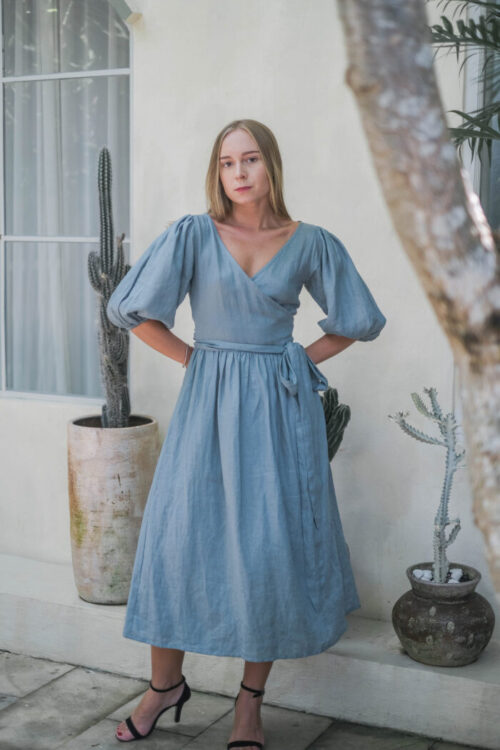
Bali’s environment plays a central role in shaping its aesthetic. The tropical climate, coastal landscapes, and lush greenery demand clothing that is breathable, lightweight, and comfortable. Designers respond by choosing natural and low-impact materials that suit the environment rather than forcing trends that work against it. Fabrics such as linen, cotton, rayon, and bamboo blends are favored not only for their sustainability but also for how they move, drape, and feel on the body. These materials create silhouettes that are soft and fluid, allowing style to emerge organically from function. In this context, sustainability becomes a design advantage rather than a limitation.
Effortless Style Rooted in Practical Living
The effortless style often associated with Bali is closely tied to how clothing is worn in everyday life. Garments must transition easily from work to leisure, from indoor spaces to outdoor settings, and from casual moments to more refined occasions. This practicality encourages designs that are versatile, timeless, and free from unnecessary excess. Sustainable fashion supports this approach by focusing on longevity rather than rapid trend cycles. When clothing is designed to be worn often and in many ways, style becomes more confident and personal. The result is a wardrobe that feels curated rather than crowded, where each piece has purpose and presence.
Craftsmanship That Elevates Simplicity
One of the defining characteristics of Bali-inspired fashion is the emphasis on craftsmanship. Many designers collaborate closely with local artisans and small workshops, valuing skill, precision, and human touch over mass production. Hand-finishing, careful tailoring, and attention to detail add quiet sophistication to even the simplest designs. This craftsmanship enhances style by giving garments depth and character, while also supporting ethical labor practices. Clothing made with care invites longer use and appreciation, reinforcing the connection between sustainability and enduring style.
Slow Fashion as a Creative Philosophy
In Bali, slower production timelines are often embraced rather than avoided. Designing and producing in smaller quantities allows for greater control over materials, fit, and construction. This pace encourages thoughtful decision-making and reduces waste, while also allowing designers to refine their creative vision. Style benefits from this process because garments are not rushed or compromised for speed. Instead, they are developed with intention, resulting in pieces that feel considered and well-balanced. Slow fashion here is not about limitation, but about clarity and confidence in design.
An Aesthetic That Embraces Imperfection
Bali’s fashion identity celebrates natural textures and subtle imperfections. Wrinkles in linen, variations in hand-dyed fabrics, and relaxed silhouettes are embraced as part of the garment’s character. This aesthetic aligns closely with sustainable values, which prioritize authenticity over artificial perfection. Rather than striving for overly polished or rigid looks, Bali-inspired style feels lived-in and approachable. This acceptance of imperfection makes clothing more human and emotionally resonant, allowing wearers to connect with their garments on a deeper level.
Conscious Consumers Shaping the Movement
The relationship between sustainability and style in Bali is also driven by the people who wear the clothing. Consumers drawn to the island’s lifestyle often seek garments that align with mindful living, ethical values, and long-term wear. This demand encourages designers to create fashion that balances beauty with responsibility. As more people prioritize quality over quantity, style becomes less about constant change and more about consistency and meaning. In this environment, sustainable fashion thrives because it reflects the values of its audience.
Fashion as an Extension of Lifestyle
In Bali, fashion is closely tied to how people choose to live. Clothing designed with sustainability in mind supports comfort, ease of movement, and emotional well-being. These qualities naturally influence style, making it calmer, more confident, and less performative. Garments are chosen not to impress, but to support a way of life centered on balance and intention. This alignment between lifestyle and clothing strengthens the connection between sustainability and style, making it feel intuitive rather than forced. Sustainability and style go hand in hand in Bali because they are guided by the same principles: respect for nature, appreciation for craftsmanship, and commitment to balance. Fashion here proves that ethical choices do not require sacrificing beauty or individuality. Instead, they enhance them. By embracing thoughtful materials, mindful production, and timeless design, Bali continues to show that true style is most powerful when it is rooted in purpose.