In recent years, Bali has become much more than a tropical getaway; it has emerged as a vibrant hub for fashion that values both aesthetic expression and ethical responsibility. As global awareness of sustainability grows, more designers and small fashion houses on the island are creating garments that embody natural beauty, cultural storytelling, and environmental consciousness. These brands aren’t just producing clothes; they are shaping a new narrative about the way fashion can be made, worn, and appreciated. From carefully chosen fabrics to thoughtful production processes, the sustainable fashion scene in Bali offers a rich tapestry of creativity that honors people and planet alike.
Aesthetic Roots in Nature and Culture
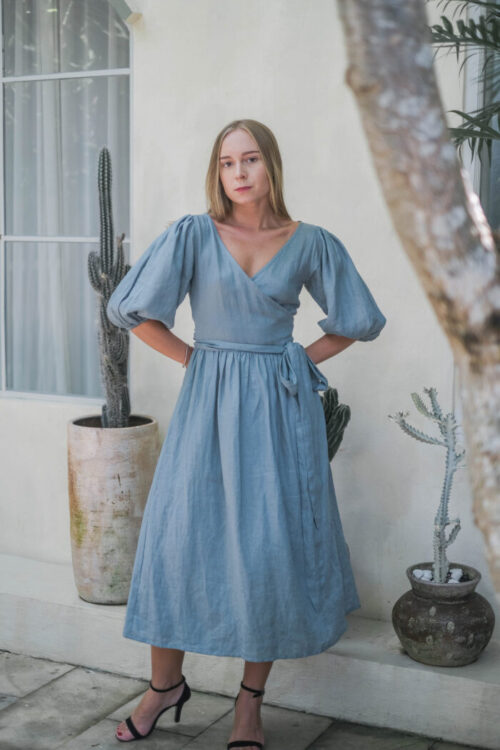
What sets Bali’s sustainable fashion brands apart is how deeply their design philosophy is rooted in the island’s cultural and environmental identity. Unlike fast-fashion outlets that prioritize trends over substance, many Bali designers work with natural fibers like linen, organic cotton, bamboo, and responsibly made rayon materials chosen not only for their softness and breathability but also for their minimal environmental footprint. In a tropical climate where comfort is essential, these fabrics align perfectly with both functional needs and sustainable values. Beyond materials, the aesthetic of Balinese sustainable fashion often reflects earthy color palettes, flowing silhouettes, and an understated elegance that feels effortless yet refined. By drawing inspiration from Bali’s landscapes, traditional crafts, and relaxed lifestyle, these designers translate a sense of place into garments that feel timeless rather than transient.
Craftsmanship and Ethical Production
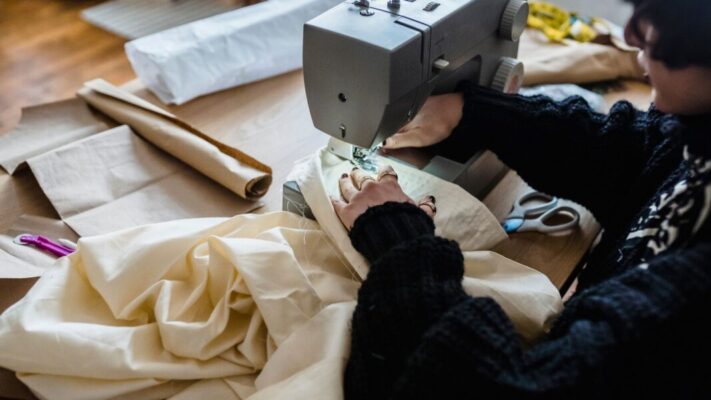
At the heart of Bali’s sustainable fashion movement is a deep respect for craftsmanship. Many brands collaborate directly with local artisans, tailors, and small-scale workshops, embracing techniques that emphasize quality over quantity. Hand-finishing, natural dyeing, and meticulous stitching are not afterthoughts; they are integral to the creative process. This emphasis on craftsmanship ensures that each piece is durable, meaningful, and imbued with a human touch that machine-made garments often lack. Working with smaller production teams also allows for ethical practices to be maintained more transparently. Fair wages, safe working conditions, and a culture of mutual respect are often part of the production ethos, reinforcing the idea that fashion should be made with integrity at every stage.
RIMMBA: Redefining Timeless Womenswear
Among the pioneers in Bali’s sustainable fashion landscape is a brand that has gained recognition for its elegant and versatile womenswear. RIMMBA designs clothing with biodegradable fabrics such as cotton, linen, ramie, and silk, choosing materials that not only feel luxurious but also perform beautifully in warm climates. RIMMBA’s collections ranging from simple tops to flowing dresses reflect a commitment to slow fashion: garments designed to be worn and loved for years, not just seasons. Each piece is carefully considered, with clean lines, natural hues, and a focus on comfort that resonates with both local sensibilities and global style aspirations.
Yvonelle: Organic Materials and Natural Dyes
Another standout in Bali’s ethical fashion scene is a brand that places strong emphasis on plant-based dyes, organic textiles, and earth-inspired color stories. Yvonelle’s approach highlights how sustainability can be woven directly into the design language. Rather than relying on synthetic finishes, the use of natural dye processes gives each garment subtle, rich hues that evolve with wear. This not only reduces chemical impact but also creates pieces with unique character. By celebrating materials that age gracefully over time, Yvonelle’s clothing embodies the kind of quiet elegance that feels both modern and timeless.
Wilde Bali: Celebrating Artisanal Identity
In Bali, sustainability often means preserving cultural heritage while pushing creative boundaries. Brands like Wilde Bali embrace this ethos, combining traditional techniques with contemporary design. Their collections often reflect handcrafted details, artisanal influence, and a deep respect for local textile traditions. Wilde Bali’s garments are not only beautiful to wear but also tell a story that connects the wearer to a broader narrative of cultural continuity and artistic integrity. This connection between garment and story is a hallmark of sustainable fashion that feels rooted rather than superficial.
The Wylde: Partnership and Purpose
Many Bali-based conscious fashion brands also prioritize collaborations with local makers and family-run workshops. The Wylde exemplifies this approach by integrating eco-friendly textiles, plant-dye techniques, and community partnerships into its production model. Rather than outsourcing to anonymous factories, this kind of brand builds relationships that honor craft, preserve skill sets, and contribute to the local economy. The result is fashion that feels relational, a product of connection rather than extraction.
Beyond Labels: A Different Way of Dressing
What makes Bali’s sustainable fashion brands particularly compelling is how intrinsically style and ethics are woven together. These designers are not simply adding a “green” line to an existing range; they are reimagining what fashion can be when it operates in harmony with environment and culture. Clothing becomes more than decoration; it becomes a statement of values, a piece of craftsmanship, and a reflection of mindful consumption. In a world often dominated by fleeting trends, the clarity and intentionality of Bali’s fashion makers offer an alternative: a wardrobe built on longevity, purpose, and authentic expression.
The Impact Beyond the Island
Although rooted in Bali’s unique creative ecosystem, the influence of these sustainable brands extends far beyond the island. Visitors and global shoppers increasingly seek pieces that are ethically produced, environmentally conscious, and aesthetically enduring. As these brands connect with audiences around the world, they help shift the broader fashion conversation toward more responsible practices. Each garment carries with it not just a design, but a narrative of care for materials, for makers, and for the communities that sustain them. Exploring sustainable fashion brands in Bali means discovering clothing that feels meaningful on multiple levels. These designers prove that style and sustainability are not opposing forces; on the contrary, they can enhance each other profoundly. By choosing garments that honor environment, craftsmanship, and culture, wearers participate in a fashion movement that values beauty without compromise. Whether it’s through natural fabrics, ethical production, or timeless design, Bali’s most thoughtful fashion brands invite us to rethink not only what we wear, but why we wear it and that shift, more than ever, is what style truly looks like in today’s world.