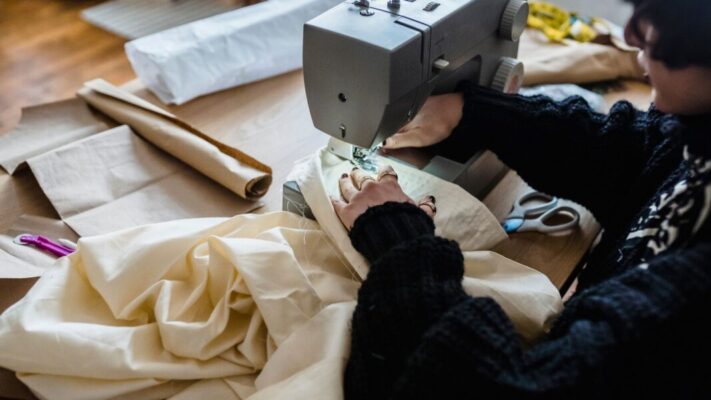
Choosing garment manufacturers in Bali is more than a logistical decision; it is a conscious alignment with a production culture shaped by balance, respect, and long-term thinking. Sustainability in Bali’s garment industry did not emerge as a reaction to global pressure alone. It evolved naturally from local values that emphasize harmony between people, environment, and work. These principles influence how clothing is produced, how workers are treated, and how resources are managed, making Bali an increasingly important destination for brands seeking responsible manufacturing partners.
Smaller-Scale Production That Reduces Waste
One of the most significant ways Bali garment manufacturers support sustainability is through their production scale. Unlike mass-production factories designed for high volume and speed, many Bali-based manufacturers operate with low minimum order quantities and flexible production systems. This approach reduces overproduction, which is one of the largest contributors to textile waste globally. Producing only what is needed allows brands to test collections, refine designs, and respond to real demand rather than forecasts. Sustainability here is built into the structure of production, not added as an afterthought.
Ethical Labor as a Core Value
Sustainability is inseparable from ethical labor practices. Many garment manufacturers in Bali prioritize fair wages, reasonable working hours, and safe working environments. Production teams are often smaller and more tightly connected, allowing transparency and accountability to remain intact. Workers are valued for their skills and experience, not treated as interchangeable labor. This human-centered approach supports social sustainability while also improving garment quality. When people are respected in the production process, care naturally extends into the work they produce.
Natural Fabric Compatibility with Climate
Bali’s tropical climate encourages the use of breathable, natural fabrics such as linen, cotton, rayon, and bamboo blends. Local manufacturers are experienced in working with these materials, understanding how they behave during cutting, sewing, and finishing. These fabrics generally require fewer chemical treatments and align with environmentally conscious design. By choosing Bali manufacturers, brands are more likely to develop collections that work in harmony with natural materials rather than relying heavily on synthetic alternatives that carry a higher environmental cost.
Efficient Communication and Reduced Resource Waste
Working closely with Bali garment manufacturers often means more direct communication and collaboration. Shorter feedback loops during sampling and production help minimize errors, reworks, and material waste. Manufacturers are frequently involved in problem-solving, offering suggestions that improve construction efficiency or fabric usage. This collaborative relationship supports sustainability by reducing unnecessary consumption of time, energy, and materials. Clear communication also leads to better-fitting samples and smoother transitions into bulk production.
Support for Slow Fashion and Longevity
Many Bali manufacturers align naturally with slow fashion principles. Their production timelines allow for thoughtful development rather than rushed output. This pace supports better design decisions, higher construction standards, and garments intended for long-term wear. Sustainability benefits when clothing is made to last, both structurally and stylistically. Brands that choose Bali manufacturers often find themselves creating more timeless pieces, moving away from disposable fashion cycles toward collections built on durability and versatility.
Local Knowledge and Responsible Sourcing
Bali garment manufacturers often have strong local networks for sourcing fabrics, trims, and supporting services. This localized ecosystem reduces transportation impact and strengthens accountability within the supply chain. Manufacturers are more aware of where materials come from and how they are processed. This transparency makes it easier for brands to trace their production journey and make informed sustainability choices. Supporting local sourcing also contributes to economic sustainability within the region, reinforcing community resilience.
Flexibility That Encourages Responsible Growth
Sustainability is not only about how garments are made, but how brands grow. Bali manufacturers are known for their flexibility, making them ideal partners for emerging and boutique brands. This adaptability allows brands to scale gradually without committing to excessive production volumes early on. Responsible growth prevents waste, protects brand integrity, and supports long-term sustainability goals. Manufacturers who understand this process become partners rather than just service providers.
A Manufacturing Culture Built on Relationships
Perhaps one of the most overlooked aspects of sustainability is relationship-building. In Bali, manufacturing often operates on trust, collaboration, and long-term partnerships. This relationship-driven approach encourages mutual responsibility and shared values. When brands and manufacturers work closely together, sustainability becomes a collective effort rather than a one-sided demand. Decisions are made with greater awareness of impact, reinforcing ethical and environmental responsibility throughout the production journey. Choosing Bali garment manufacturers supports sustainability because it aligns production with values that prioritize people, environment, and longevity. From small-batch manufacturing and ethical labor to natural fabric expertise and collaborative workflows, Bali offers a production model that challenges the excesses of conventional fashion manufacturing. For brands committed to responsible growth and meaningful impact, working with Bali-based manufacturers is not just a practical choice, it is a statement of intention toward a more balanced and sustainable fashion industry.