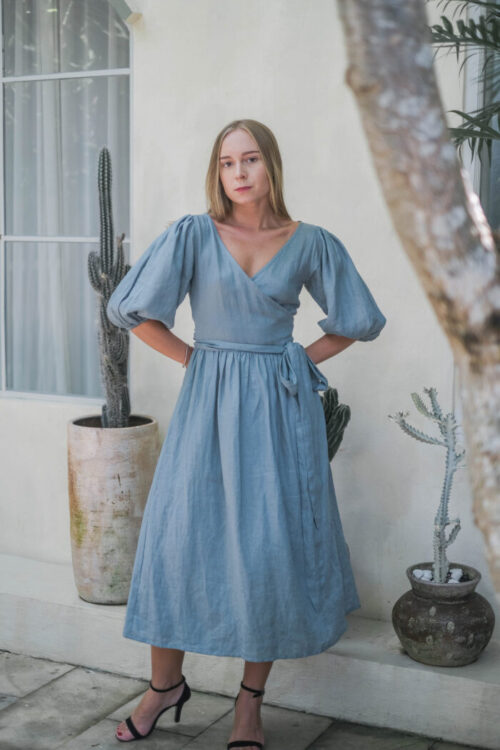
At the heart of Megaya Bali lies a belief that fashion should be responsible, ethical, and meaningful. In an industry historically driven by volume, speed, and cost-cutting, Megaya Bali sets itself apart by prioritizing people and the planet at every stage of production. The brand’s ethical approach is not a marketing tagline, it is a guiding philosophy woven into each decision, relationship, and garment. From thoughtful fabric sourcing to respectful labor practices and transparent communication, Megaya Bali aims to prove that fashion can be crafted with integrity without compromising on quality or style.
Sourcing Fabrics With Purpose
One of the earliest decisions in the production process is choosing the right materials. Megaya Bali focuses on natural and low-impact fabrics such as linen, organic cotton, bamboo blends, and responsibly sourced rayon. These materials are selected not only for their performance, breathability, comfort, and longevity but also for their environmental benefits.
Natural fibers typically require less water, fewer chemicals, and less energy to produce compared to conventional synthetic alternatives. This not only reduces greenhouse gas emissions and soil contamination, but also ensures that the final garments are gentle on the skin and easier to care for. By prioritizing responsible fabric choices, Megaya Bali reinforces the idea that ethical fashion begins at the very first fiber.
Working With Skilled Local Artisans
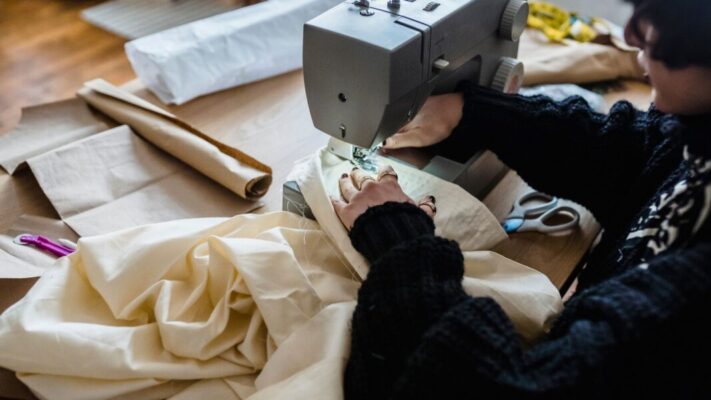
At Megaya Bali, production is rooted in collaboration rather than delegation. The brand works closely with local artisans, tailors, and small-to-medium manufacturing partners in Bali who understand both the technical and cultural aspects of garment making. These relationships are built on mutual respect and shared values, ensuring that skilled makers are treated as partners rather than anonymous labor. This human-centered approach supports fair compensation, safe working conditions, and skills development. Artisans are valued for their expertise, and Megaya Bali invests in training and shared learning, fostering environments where craftsmanship can continue to evolve while preserving traditional techniques. This ethical labor model not only enhances garment quality but also contributes to the livelihood and well-being of the local community.
Transparency From Concept to Completion
Transparency is a cornerstone of ethical production at Megaya Bali. Rather than hiding the origins of its garments, the brand openly communicates the process behind each collection. From initial sketches and mood boards to tech pack development, sampling, and final production, clients and collaborators are kept involved and informed. This openness cultivates trust, reduces misunderstandings, and embeds accountability into each stage of manufacturing. Whether working with independent designers, boutique fashion brands, or resort partners, Megaya Bali ensures that all stakeholders understand how decisions about fabrics, construction, and finishing were made. This collaborative transparency exemplifies ethical production by placing communication rather than assumption at the center of the process.
Small-Batch and Made-to-Order Production
Ethical production at Megaya Bali embraces mindful manufacturing rather than mass output. By offering small-batch and made-to-order production, the brand helps partners avoid overproduction, one of the most significant contributors to textile waste globally. Rather than producing large inventories that risk ending up unsold, Megaya Bali’s model promotes efficiency and intention. This approach reduces material waste, minimizes inventory costs, and encourages designers to think deeply about each garment’s purpose and audience. It also allows for greater customization, flexibility, and quality control, ensuring that every piece meets both design intent and sustainable standards.
Quality Control That Respects Craft and Purpose
Attention to detail and quality is central to Megaya Bali’s ethical practices. Each garment undergoes rigorous inspection at key points in the production process from fabric checking and cutting to stitching, finishing, and packaging. Quality control is not just about meeting technical standards; it’s about honoring the effort of the makers and ensuring the garment will serve the wearer well over time. By maintaining high craftsmanship standards, Megaya Bali rejects the disposable nature of fast fashion. Garments that are well-made, durable, and comfortable naturally last longer, reducing the cycle of consumption and disposal. This commitment to quality enhances sustainability by extending the useful life of each piece.
Eco-Conscious Dyeing and Finishing
Megaya Bali partners with dye houses and finishing facilities that share its commitment to sustainability. Wherever possible, the brand favors low-impact dyeing techniques that minimize chemical use and water consumption. Natural and plant-based dyes are often incorporated, adding unique character and depth to fabrics without compromising environmental health. Additionally, finishing practices are selected for their reduced impact, favoring methods that avoid harmful residues and promote safe working conditions for artisans. This holistic approach to coloring and finishing reinforces Megaya Bali’s responsibility not just to consumers, but to the broader environment and community.
Building Long-Term Partnerships
Ethical production is not a one-time choice at Megaya Bali; it is an ongoing commitment that grows through long-term partnerships. Whether working with designers, resorts, or fabric suppliers, the brand seeks relationships grounded in mutual respect, shared values, and continuous improvement. These partnerships allow for collective problem-solving, better resource planning, and a collaborative vision for sustainable growth. When stakeholders share responsibility for ethical outcomes, the result is more resilient, transparent, and accountable production systems. This relational model strengthens not only garment quality, but also the sustainability of the fashion ecosystem connected to Megaya Bali.
Education and Shared Values
Beyond production itself, Megaya Bali invests in education for clients, partners, and staff. Workshops on responsible material selection, fit and grading, tech pack development, and sustainable manufacturing practices help elevate understanding across the supply chain. By empowering partners with knowledge, the brand amplifies its ethical impact far beyond its own operations. Education fuels responsible decision-making, encourages continual learning, and fosters a community where sustainability isn’t a checkbox, but a shared mindset. The ethical production practices behind Megaya Bali reflect a deep alignment between philosophy and action. From responsible fabric sourcing and skilled artisan collaboration to transparency, mindful manufacturing, and ongoing education, every aspect of production is designed to promote a more responsible fashion industry. Megaya Bali proves that sustainability is not a compromise on quality or creativity, it is an enhancement. By centering human dignity, environmental stewardship, and intentional design, the brand demonstrates that ethical production is not only possible, but essential for the future of fashion. In choosing makers who care as much as designers and wearers, Megaya Bali models a production paradigm where garments are created with purpose, worn with meaning, and respected for their craftsmanship and impact.