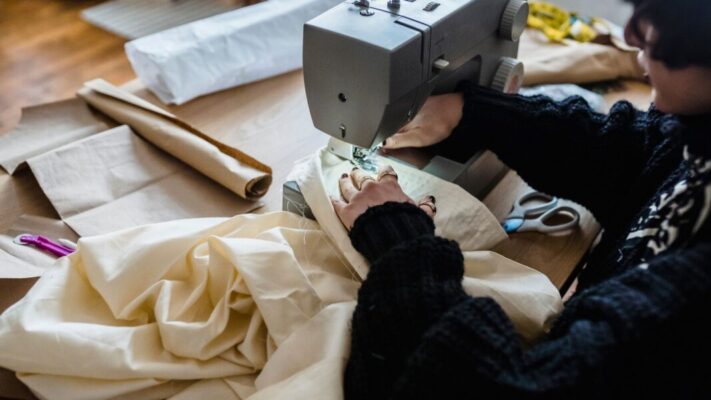
Small-batch activewear manufacturing is becoming increasingly popular in Bali as brands look for ways to align production with conscious values. Unlike mass production, small-batch manufacturing allows for greater control over quality, material usage, and ethical labor practices. Brands can produce only what is needed, reducing waste and avoiding the overproduction that often plagues the fashion industry. This mindful approach ensures each piece meets performance and aesthetic standards, while supporting the sustainability goals that many activewear labels prioritize.
Enhanced Quality and Attention to Detail
Producing activewear in smaller quantities allows Bali manufacturers to focus on precision and craftsmanship. Each garment receives careful inspection from start to finish, including fabric selection, pattern making, stitching, and finishing touches. This attention to detail ensures that the activewear performs well under rigorous use, remains durable over time, and maintains consistent quality across every piece. Small-batch production provides brands with the confidence that each item reflects the highest standards of performance and design.
Flexibility for Emerging and Independent Brands
Bali’s small-batch manufacturing model is particularly attractive for emerging and independent activewear brands. Lower minimum order quantities allow smaller labels to test designs, experiment with fabrics, and refine fits without the financial risk associated with large-scale production. Manufacturers often provide guidance and collaboration throughout the process, helping new brands bring their visions to life while maintaining flexibility to adapt to trends or seasonal demands.
Sustainability Through Reduced Waste
One of the biggest advantages of small-batch production is its contribution to sustainability. Producing limited quantities reduces excess inventory and fabric waste, while enabling brands to focus on eco-friendly materials such as recycled polyester, organic cotton, and low-impact dyes. By limiting production to what is actually needed, Bali manufacturers help activewear brands minimize environmental impact while supporting ethical and responsible manufacturing practices.
Faster Iteration and Design Refinement
Smaller production runs make it easier for brands to iterate on designs. Samples and initial batches can be tested for fit, comfort, and performance, allowing manufacturers to make adjustments before committing to larger orders. This iterative approach ensures that the final collection meets both functional and aesthetic expectations. Bali’s manufacturers provide close collaboration during this process, enabling brands to respond quickly to feedback and market trends.
Supporting Local Artisans and Ethical Practices
Small-batch production in Bali also strengthens the local garment ecosystem. Skilled artisans and production teams are able to focus on quality craftsmanship rather than repetitive mass-production tasks. Ethical practices, such as fair wages and safe working conditions, are easier to maintain in smaller production runs. This approach reinforces both social and environmental sustainability, making it an appealing choice for conscious activewear brands. The rise of small-batch activewear manufacturing in Bali reflects a broader trend toward mindful, sustainable, and flexible production. By prioritizing quality, reducing waste, supporting ethical labor, and providing room for innovation, Bali’s manufacturers offer an ideal environment for brands seeking to create high-performance, eco-conscious activewear. For emerging labels and established brands alike, small-batch production enables a balance between responsibility, creativity, and commercial success.