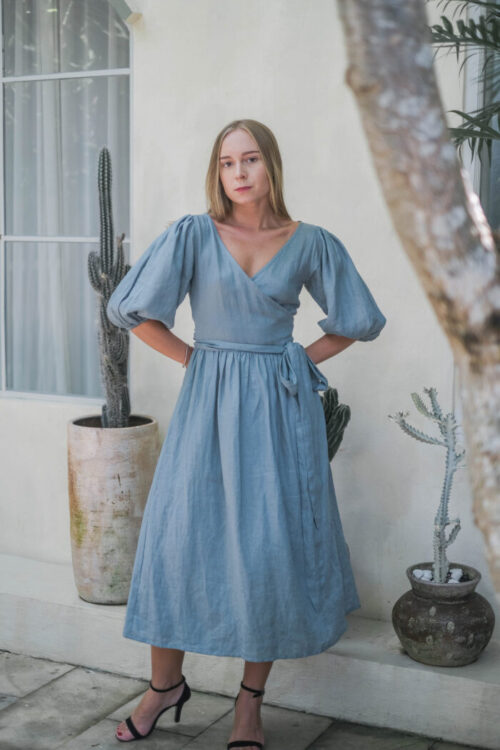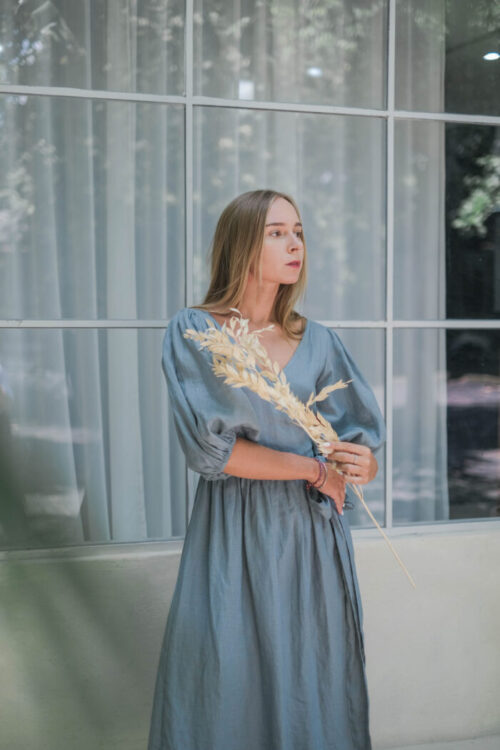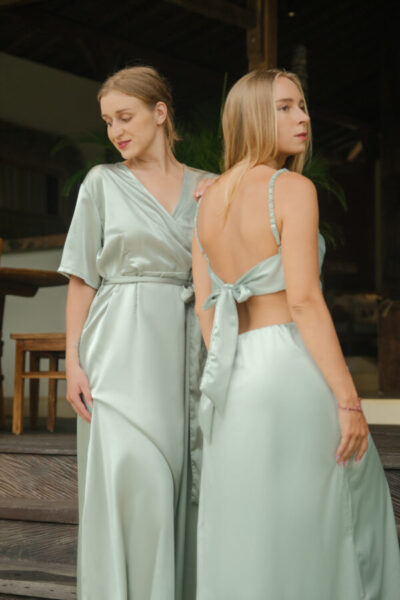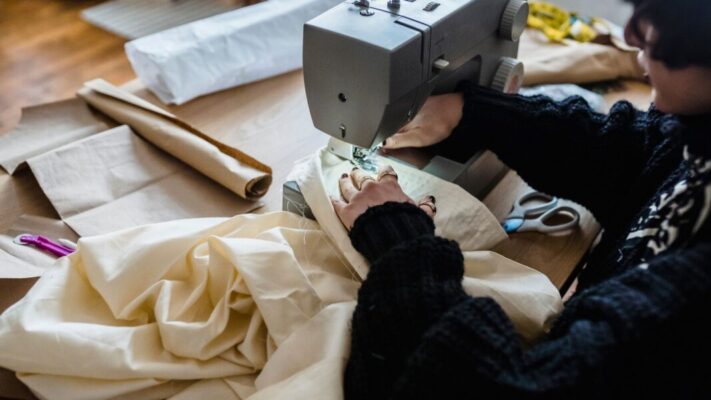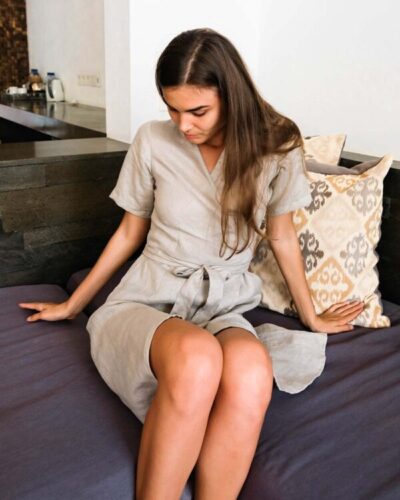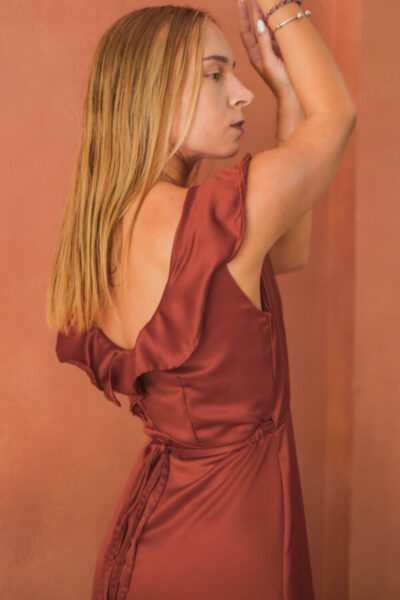
When producing resort wear in Bali, choosing the right linen fabric is essential to ensure comfort, durability, and style. Linen is valued for its breathability, moisture-wicking properties, and lightweight feel, making it ideal for tropical climates. However, not all linen fabrics are created equal. Differences in fiber length, weave, thread count, and finishing can significantly affect the fabric’s texture, drape, and durability. Understanding these characteristics helps brands and manufacturers select linen that performs well in hot, humid environments while maintaining a polished and luxurious aesthetic. High-quality linen is typically made from long-staple flax fibers, which provide strength, smoothness, and a consistent texture. Shorter fibers may result in a coarser fabric that wrinkles easily and wears out faster. Bali manufacturers often source premium linen from sustainable suppliers who cultivate flax with environmentally responsible practices. Choosing high-quality, responsibly sourced linen ensures that resort wear garments are durable, comfortable, and aligned with eco-conscious values, supporting both long-lasting performance and sustainable production.
Weave and Weight for Performance
The weave and weight of linen influence both its comfort and appearance. Looser weaves create a soft, airy feel suitable for flowing dresses, kaftans, and relaxed separates, while tighter weaves offer structure for tailored shirts, trousers, and resort jackets. Fabric weight must also be considered: lightweight linen is ideal for breathability and tropical ease, whereas medium-weight linen provides more structure without sacrificing comfort. By carefully selecting weave and weight, manufacturers can tailor garments to the specific needs of a resort collection, balancing style, movement, and functionality. Finishing processes such as pre-washing, softening, or enzyme treatments impact the hand feel, drape, and durability of linen fabrics. Pre-washed linen, for example, reduces shrinkage and gives garments a softer, more relaxed texture, while untreated linen maintains a crisp, structured look. Considering the desired aesthetic and functional performance of the resort wear helps manufacturers choose the right finishing process. A fabric that feels soft against the skin, drapes beautifully, and maintains durability will enhance the comfort and elegance of every garment.
Color, Print, and Dye Considerations
Resort wear often incorporates light, airy colors or tropical prints. Linen fabrics react differently to dyes, so choosing high-quality, colorfast fabrics ensures vibrant, long-lasting results. Eco-friendly low-impact dyes are preferred in sustainable manufacturing, preserving the environment while achieving beautiful, consistent colors. Bali manufacturers can advise on color selection, print placement, and dye techniques to achieve the perfect aesthetic for resort collections while maintaining sustainability standards.
Collaboration With Experienced Manufacturers
Selecting the right linen is greatly simplified by collaborating with experienced Bali manufacturers who understand tropical performance, sustainable sourcing, and luxury aesthetics. These partners provide guidance on fiber quality, fabric weight, weave, finishes, and dyeing methods, ensuring that the chosen linen aligns with the brand’s vision and functional requirements. Through sampling and testing, manufacturers help refine fabric choices, guaranteeing that the final garments meet expectations for comfort, style, and durability. Choosing the right linen is a critical step in producing high-quality, sustainable resort wear in Bali. By considering fiber quality, weave, weight, finish, color, and collaborating with skilled manufacturers, brands can create garments that are breathable, durable, and luxurious. Linen fabrics selected with care enhance comfort, elegance, and performance, ensuring that every piece in a resort wear collection reflects the tropical sophistication and sustainability that discerning consumers expect.