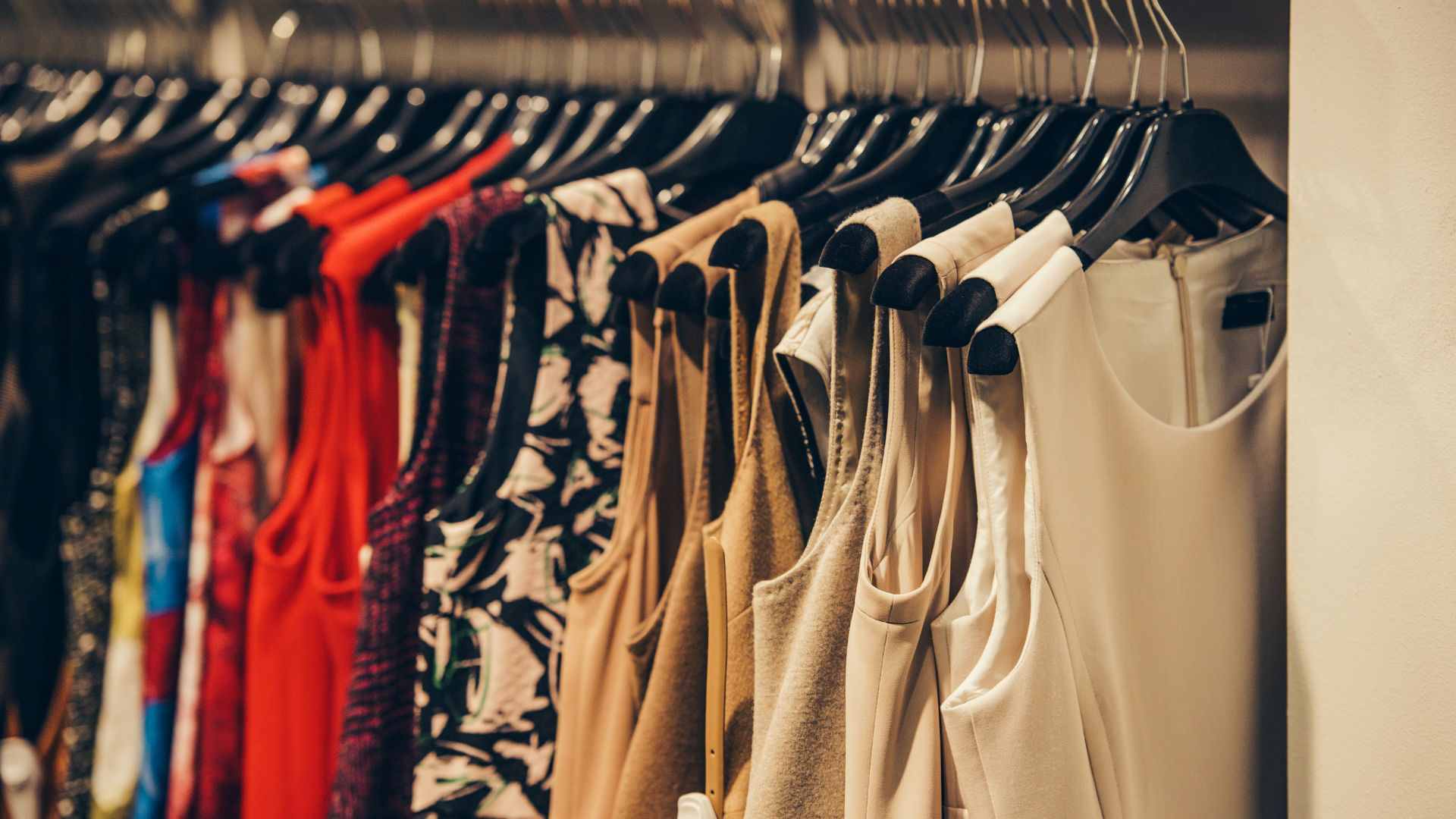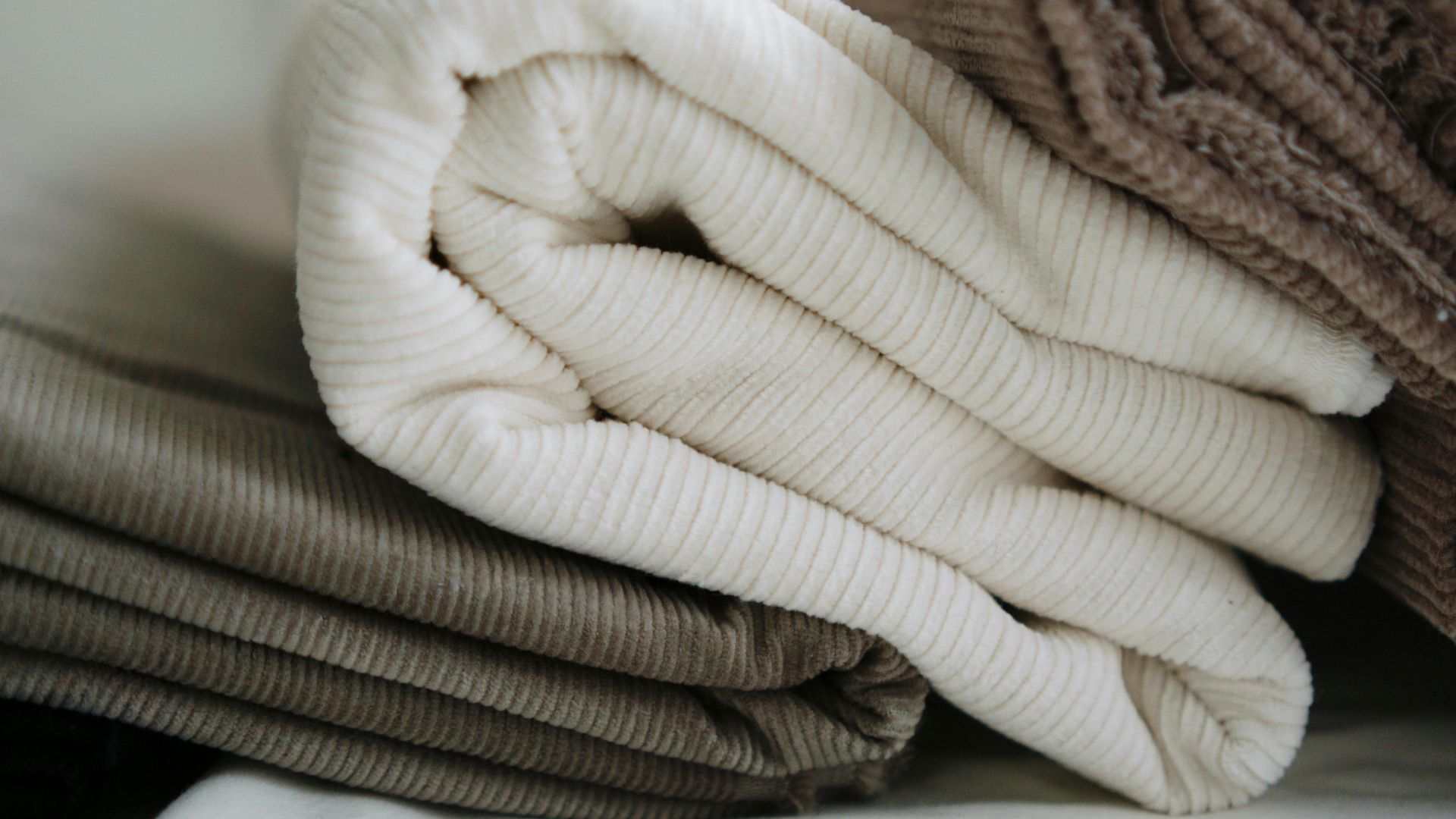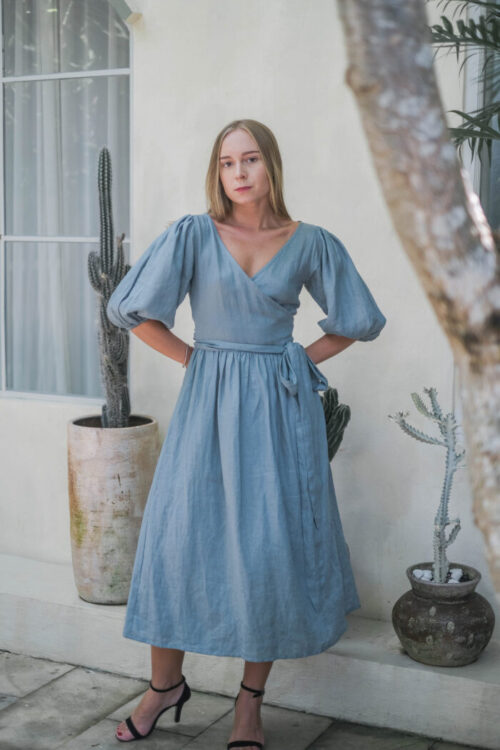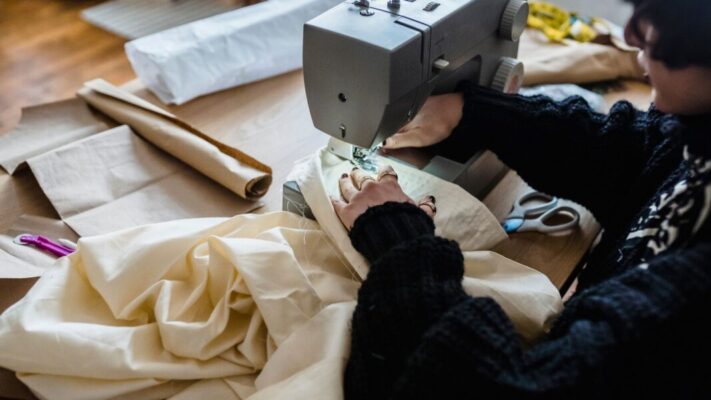
In Bali, women’s clothing brands find a unique combination of skilled artisans, sustainable practices, and a culture that values creativity and quality. Bali manufacturers offer expertise in fabrics such as bamboo, linen, organic cotton, and rayon, enabling brands to produce garments that are soft, breathable, and suitable for tropical climates. From casual wear and resort collections to activewear and elegant dresses, Bali provides a manufacturing environment that balances comfort, style, and ethical production.
Sustainable Fabric Sourcing
Bali manufacturers prioritize eco-conscious fabrics to align with global sustainability trends. Linen, bamboo, organic cotton, and responsibly sourced rayon reduce environmental impact through low water consumption, minimal pesticide use, and biodegradable properties. Low-impact dyes and efficient production processes further minimize waste and energy consumption. Partnering with Bali manufacturers allows women’s clothing brands to create collections that are environmentally responsible, appealing to conscious consumers worldwide.
Expertise in Design and Production
Building a clothing brand requires more than just fabric it demands collaboration, design refinement, and technical expertise. Bali manufacturers provide guidance on fabric behavior, drape, stretch, and suitability for tropical climates, while designers focus on aesthetics, functionality, and branding. Through iterative sampling, prototyping, and testing, garments are refined for comfort, fit, and visual appeal. This collaborative approach ensures that each piece meets high-quality standards while reflecting the brand’s vision and identity.
Small-Batch and Custom Production
Many Bali manufacturers specialize in small-batch or made-to-order production, which reduces waste and allows meticulous quality control. This approach enables brands to customize garments with unique colors, prints, patterns, and sizing, creating exclusive collections that stand out in competitive markets. Small-batch production also supports slow fashion principles, helping brands focus on sustainability, craftsmanship, and thoughtful design rather than mass production.
Skilled Craftsmanship and Durability
Bali artisans bring decades of experience to cutting, stitching, and finishing garments. Techniques such as reinforced seams, flatlock stitching, hand-finished hems, and careful fabric handling ensure durability, shape retention, and consistent quality. This craftsmanship guarantees that women’s clothing produced in Bali is long-lasting, maintaining comfort, elegance, and performance over time, which is essential for building a reputable brand.
Ethical and Social Responsibility
Partnering with Bali manufacturers ensures ethical labor practices alongside sustainable production. Artisans are fairly compensated, work in safe environments, and receive skill development support. Manufacturers integrate responsible energy, water, and dye usage, creating garments that are environmentally conscious and socially responsible. Brands benefit from these practices by aligning with ethical values, which resonates strongly with modern consumers.
Building a Brand That Reflects Conscious Values
By working with Bali manufacturers, women’s clothing brands can produce collections that reflect sustainability, quality, and social responsibility. From fabric selection and garment construction to ethical labor and eco-conscious production, every aspect of the manufacturing process supports the brand’s values. This approach enhances brand credibility, attracts mindful consumers, and ensures that each collection is thoughtfully designed and produced with integrity. Bali offers an ideal environment for building a women’s clothing brand, combining expertise in fabrics, skilled craftsmanship, sustainable practices, and ethical production. Through small-batch, custom, and collaborative manufacturing, brands can create high-quality, stylish, and responsible apparel that appeals to global consumers. Partnering with Bali manufacturers allows designers to translate their creative vision into tangible collections while supporting environmental sustainability and local communities.