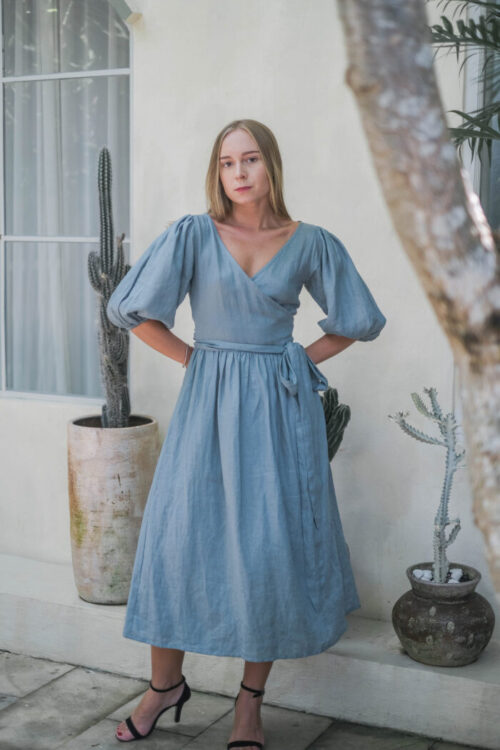
In Bali, creating ethical women’s clothing begins with thoughtful design and sustainable fabric selection. Designers collaborate with manufacturers to choose eco-conscious materials such as organic cotton, bamboo, linen, and Tencel, which are breathable, soft, and suitable for tropical climates. These fabrics are often paired with low-impact dyes and natural fibers to minimize environmental impact, setting the foundation for clothing that is both stylish and responsible.
Skilled Artisans and Craftsmanship
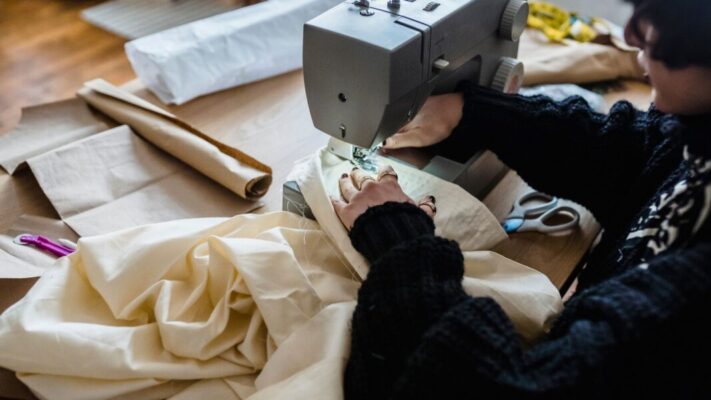
Bali’s clothing production relies heavily on skilled artisans who bring years of experience to every garment. From precise cutting and sewing to finishing touches, every step emphasizes quality and durability. Techniques such as reinforced seams, hand-finished hems, and careful stitching ensure that each piece not only looks elegant but also stands the test of time. This dedication to craftsmanship is essential in ethical fashion, where longevity and quality are prioritized over mass production.
Small-Batch and Custom Production
Ethical clothing in Bali is often produced in small batches or made-to-order, reducing waste and supporting sustainable practices. This approach allows for close quality control and customization, including unique colors, prints, or design adjustments. Small-batch production encourages mindful consumption, ensuring that garments are created thoughtfully and in line with the brand’s vision, while maintaining exclusivity and reducing the environmental footprint.
Collaborative and Transparent Processes
Designing ethical women’s clothing in Bali involves collaboration between manufacturers, designers, and brands. Manufacturers advise on fabric behavior, drape, and tropical suitability, while designers focus on style, functionality, and brand identity. This transparent process, which includes iterative prototyping and sampling, ensures that garments meet high standards of comfort, quality, and aesthetic appeal while reflecting the brand’s ethical values.
Ethical Labor and Community Support
Bali’s ethical fashion movement emphasizes fair labor practices. Artisans are paid fairly, work in safe conditions, and often receive ongoing training and skill development. By supporting local communities, clothing production not only sustains livelihoods but also preserves traditional craftsmanship and cultural heritage. Brands that partner with Bali manufacturers can assure consumers that their clothing supports both people and the environment.
Environmental Responsibility
Sustainable fabrics, low-impact dyes, energy-efficient production, and waste reduction are core to ethical clothing production in Bali. Manufacturers implement environmentally conscious processes at every stage, from fabric sourcing to final packaging, ensuring that the impact on the planet is minimized. This commitment to sustainability aligns with global trends in responsible fashion and attracts eco-conscious consumers. The journey of making ethical women’s clothing in Bali combines sustainable materials, skilled craftsmanship, small-batch production, and ethical labor practices. From the careful selection of fabrics to collaborative design and mindful manufacturing, every step emphasizes quality, responsibility, and longevity. Bali’s approach ensures that women’s clothing is not only beautiful and functional but also supports communities and protects the environment, embodying the true spirit of ethical fashion.