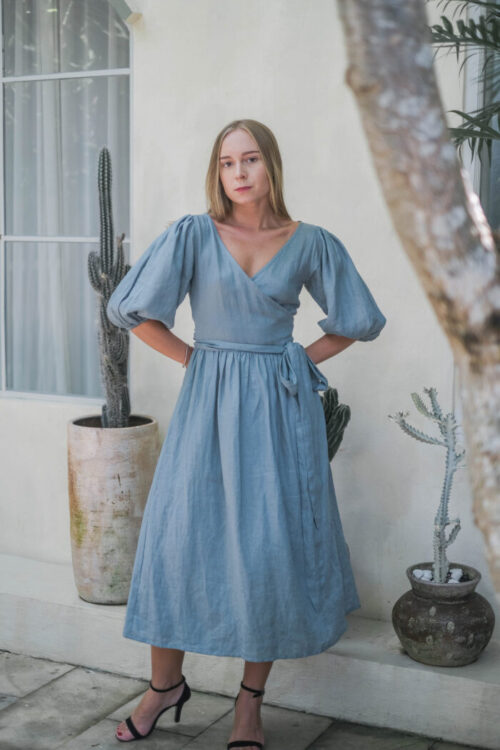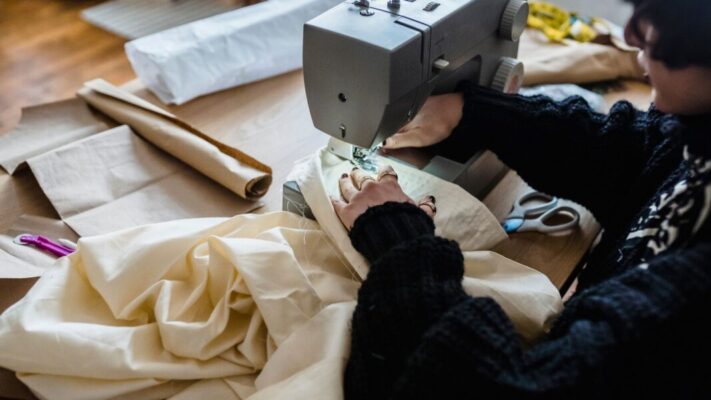
Ethical manufacturing ensures that the people behind women’s clothing are treated fairly and work in safe conditions. In Bali, clothing production often involves skilled artisans who rely on fair wages and respectful working environments. Ethical practices provide job security, skill development, and a supportive community for workers, ensuring that fashion does not come at the expense of human well-being. By choosing ethically manufactured garments, brands and consumers contribute to the livelihoods of local artisans while preserving traditional craftsmanship.
Ensuring High-Quality Production
Ethical manufacturing goes hand-in-hand with superior quality. When workers are fairly compensated and respected, they can focus on precision, craftsmanship, and attention to detail. Bali manufacturers who prioritize ethical labor practices produce women’s clothing with reinforced seams, careful stitching, and hand-finished details, ensuring garments are durable, comfortable, and long-lasting. This level of care enhances both the longevity and perceived value of each piece.
Supporting Sustainable Fashion Practices
Ethical manufacturing is closely tied to sustainability. Bali manufacturers who adopt responsible labor practices often integrate eco-conscious processes such as using organic or recycled fabrics, low-impact dyes, and small-batch production. This minimizes waste and reduces environmental impact, allowing women’s clothing to be both stylish and sustainable. Consumers seeking mindful fashion choices benefit from knowing their clothing supports both people and the planet.
Promoting Transparency and Trust
Brands that embrace ethical manufacturing provide transparency in their production processes. Bali manufacturers collaborate closely with designers to ensure materials, labor practices, and production methods meet ethical standards. This transparency builds consumer trust, as shoppers increasingly value knowing the origin of their clothing and the social and environmental impact of their purchases.
Encouraging Slow Fashion
Ethical manufacturing discourages fast-fashion models that prioritize quantity over quality. In Bali, small-batch and made-to-order production are common, emphasizing thoughtful design, durability, and exclusivity. By producing clothing more intentionally, manufacturers reduce overproduction and encourage consumers to invest in timeless, versatile pieces, supporting slow fashion principles. Ethical manufacturing matters because it safeguards artisans, enhances garment quality, promotes sustainability, fosters transparency, and supports slow fashion. Bali manufacturers exemplify these principles by combining skilled craftsmanship, responsible labor practices, and eco-conscious production. For women’s clothing, choosing ethically produced garments ensures that fashion is not only stylish and comfortable but also socially and environmentally responsible, making every purchase a conscious and meaningful choice.