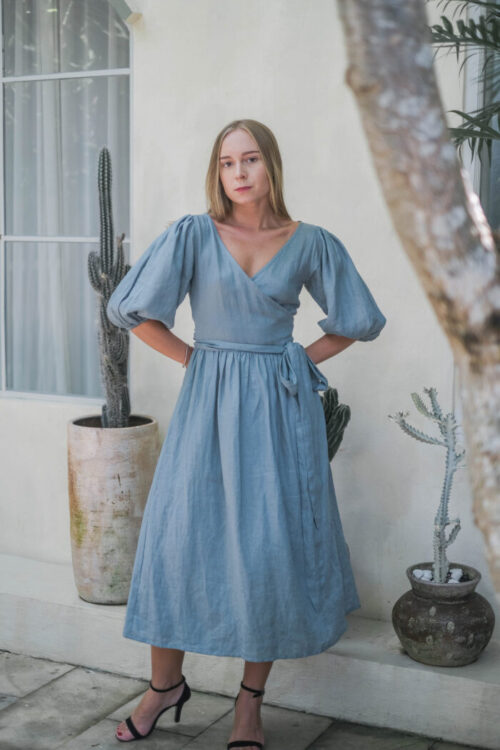
Women’s clothing manufacturers in Bali have built their sustainability leadership on values that are deeply rooted in local culture and daily life. Balinese philosophy emphasizes harmony between humans, nature, and community, and this mindset naturally extends into the way clothing is produced. Sustainability is not approached as a marketing strategy, but as a long-term responsibility that shapes decisions at every level of manufacturing. From how materials are sourced to how production timelines are planned, manufacturers prioritize balance rather than speed or excess. This foundation allows Bali’s apparel industry to grow without losing sight of environmental and social impact. Many manufacturers consciously avoid over-expansion and instead focus on steady, manageable growth that protects resources and people. By aligning business practices with cultural values, Bali has created a women’s clothing manufacturing ecosystem that supports sustainability as a core principle rather than a secondary consideration.
Expertise in Natural and Eco-Friendly Fabrics
Bali’s leadership in sustainable women’s fashion is strongly linked to its deep expertise in natural and eco-friendly fabrics. Manufacturers regularly work with linen, organic cotton, bamboo, rayon, and other plant-based fibers that are renewable, breathable, and biodegradable. These materials are especially well-suited to tropical climates, allowing garments to remain comfortable while reducing reliance on synthetic fibers derived from petroleum. Working with natural fabrics requires skill and experience, as each material behaves differently during cutting, sewing, and finishing. Bali manufacturers understand how to manage shrinkage, drape, softness, and durability, ensuring garments meet high quality standards without excessive waste. Fabric scraps are often minimized through efficient pattern layouts, and leftover materials are sometimes repurposed for accessories or sampling. This fabric knowledge allows sustainable choices to be implemented without compromising aesthetics, comfort, or performance.
Small-Batch and Responsible Production Models
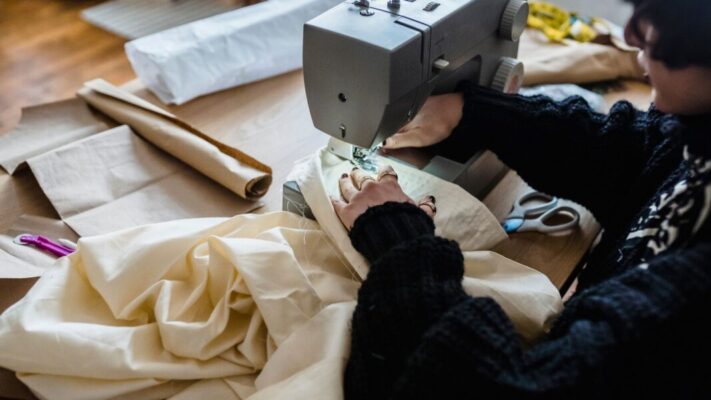
One of the most significant ways Bali’s women’s clothing manufacturers lead in sustainability is through small-batch and made-to-order production systems. Unlike mass manufacturing, which often produces large volumes based on forecasts, Bali’s approach focuses on producing what is actually needed. This reduces unsold inventory, fabric waste, and unnecessary resource consumption. Small-batch production also allows manufacturers to maintain greater control over quality and consistency. Each production run receives closer supervision, and any issues can be addressed quickly without affecting thousands of garments. For brands, this means fewer defects, better fit, and collections that feel more intentional. From a sustainability perspective, it encourages a slower fashion cycle where design, testing, and refinement are valued over speed and volume.
Ethical Labor and Artisan Empowerment
Environmental sustainability cannot exist without social responsibility, and Bali’s women’s clothing manufacturers place strong emphasis on ethical labor practices. Artisans, tailors, pattern makers, and production staff are recognized as skilled professionals whose expertise is essential to the final product. Fair wages, reasonable working hours, and safe working environments are prioritized, creating stability and dignity within the workforce. Many manufacturers invest in training and skill development, allowing workers to grow professionally and adapt to new techniques or materials. This empowerment strengthens local communities and helps preserve valuable garment-making skills that might otherwise disappear in highly industrialized systems. Ethical labor practices also result in better-quality garments, as workers who feel respected and supported are able to focus on precision, consistency, and craftsmanship.
Craftsmanship That Supports Longevity
Durability is a key pillar of sustainable fashion, and Bali’s manufacturers are known for craftsmanship that prioritizes longevity. Women’s clothing is constructed with careful attention to stitching, seam strength, finishing, and fit. Reinforced stress points, clean internal finishes, and thoughtful construction techniques ensure garments withstand repeated wear and washing. This focus on longevity reduces the need for frequent replacement, directly addressing one of the biggest environmental issues in fashion: overconsumption. When garments last longer and maintain their appearance, they become wardrobe staples rather than disposable items. Bali’s emphasis on timeless silhouettes further supports this approach, encouraging women to invest in pieces that remain relevant beyond seasonal trends.
Sustainable Design Through Collaboration
Sustainability in Bali’s women’s clothing manufacturing is often achieved through close collaboration with brands and designers. Manufacturers are actively involved in the design and development process, offering guidance on fabric selection, construction methods, and fit adjustments that improve both sustainability and wearability. This collaborative approach ensures that eco-conscious decisions are integrated from the earliest stages of development. Through sampling and prototyping, designs are refined to reduce waste, improve efficiency, and enhance comfort. Adjustments are made before full production begins, minimizing errors and unnecessary material use. This shared responsibility between brand and manufacturer results in collections that are not only visually appealing, but also thoughtfully engineered for sustainable production.
Transparency and Responsible Supply Chains
Another area where Bali’s women’s clothing manufacturers lead is transparency. Many manufacturers maintain clear communication about sourcing, production processes, and timelines. This openness allows brands to understand where materials come from, how garments are made, and what impact production has on people and the environment. Responsible supply chains are built through long-term relationships with fabric suppliers and production partners. Rather than frequently changing sources to cut costs, manufacturers prioritize consistency and trust. This stability improves quality control, reduces logistical waste, and supports ethical sourcing practices across the supply chain. Transparency also builds consumer trust, which is increasingly important in today’s fashion market.
Aligning with the Global Shift Toward Conscious Fashion
Global demand for sustainable women’s fashion continues to grow, and Bali’s manufacturers are well-positioned to support this shift. Consumers are seeking clothing that reflects their values comfort, responsibility, authenticity, and longevity. Bali’s manufacturing model aligns naturally with these expectations, offering an alternative to fast fashion without sacrificing design or quality. By focusing on natural fabrics, ethical labor, small-batch production, and craftsmanship, Bali manufacturers help brands meet sustainability goals while maintaining creative freedom. This balance makes Bali an attractive partner for both emerging designers and established labels looking to transition toward more responsible production methods.
Setting a Benchmark for the Future of Women’s Fashion
Bali’s women’s clothing manufacturers are not only responding to sustainability demands they are actively shaping the future of responsible fashion. Their approach demonstrates that ethical practices, environmental care, and commercial success can coexist. Sustainability is treated as an ongoing commitment, continuously refined as materials, techniques, and industry standards evolve. Through cultural values, skilled craftsmanship, collaborative production, and conscious decision-making, Bali has established itself as a benchmark for sustainable women’s apparel manufacturing. As the fashion industry continues to change, Bali’s leadership offers a clear example of how clothing can be made with respect for people, for nature, and for the future of women’s fashion.