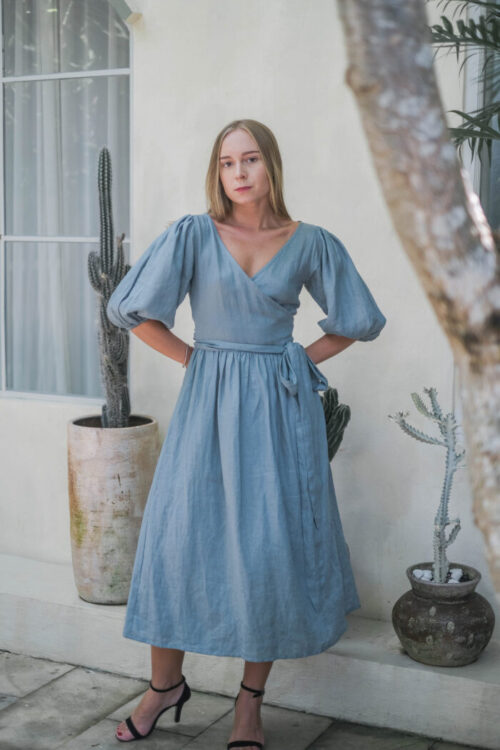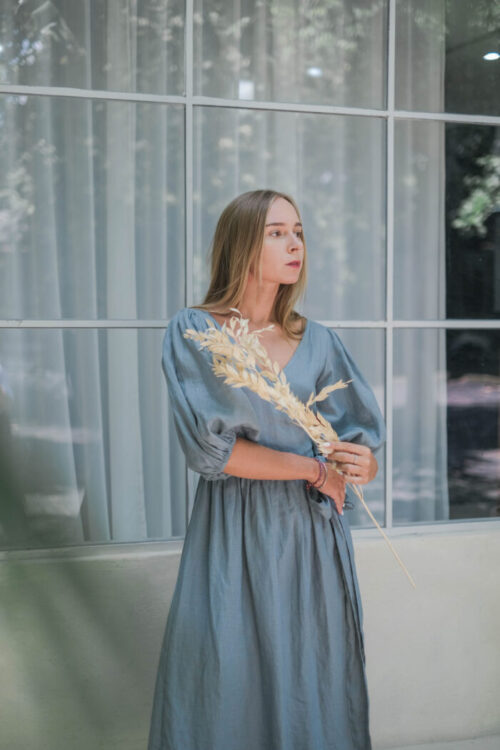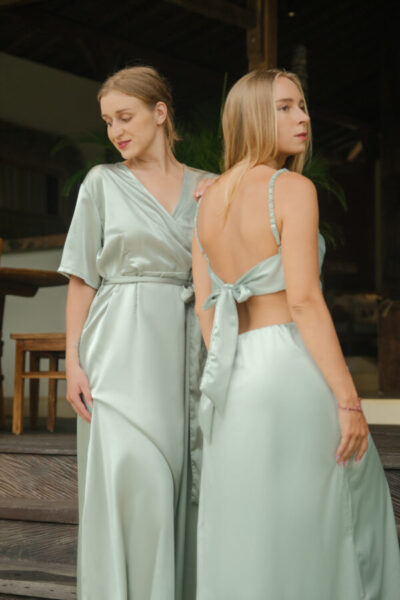
Handcrafted kids clothing places care, comfort, and responsibility at the center of every garment. Unlike mass-produced children’s wear, handmade pieces are created with close attention to fabric choice, construction, and finishing, ensuring that every detail serves a purpose. This approach is especially important for kids, whose sensitive skin and active lifestyles require clothing that feels soft, breathable, and safe to wear throughout the day. Ethical materials and careful craftsmanship ensure each piece supports children’s comfort while meeting higher standards of quality, durability, and everyday practicality.
Ethical Materials for Health and Safety
Ethical kids clothing begins with fabric selection. Natural and responsibly sourced materials such as organic cotton, linen, bamboo, and gentle rayon blends are commonly used because they are breathable, non-toxic, and free from harsh chemicals. These fabrics help regulate body temperature, feel comfortable against delicate skin, and reduce the risk of irritation or allergic reactions. Choosing ethical materials also means avoiding harmful dyes and finishes, ensuring garments remain safe for daily wear, frequent washing, and long-term use as children grow.
Handcrafted Quality That Lasts
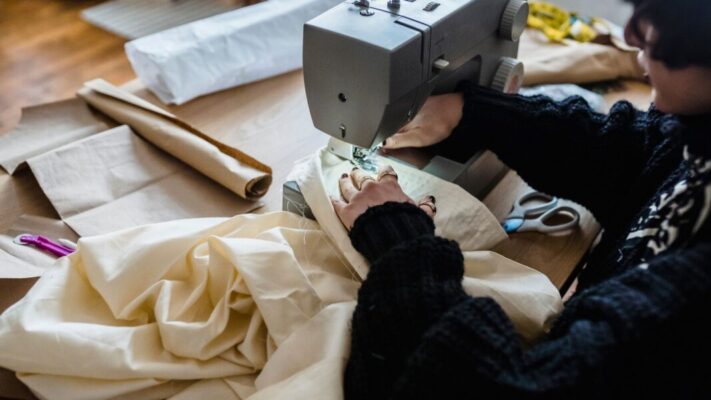
Handcrafted children’s clothing is designed to withstand movement, play, and growth. Skilled makers focus on strong stitching, reinforced seams, and comfortable fits that allow kids to run, climb, and explore freely. Each garment is carefully checked and finished by hand, ensuring consistency and reducing defects that are common in mass production. This quality-focused process results in clothing that lasts longer, can be passed down or reused, and ultimately reduces waste by extending the life of each piece.
Sustainability Through Small-Batch Production
Many handcrafted kids clothing collections are produced in small batches or made-to-order, rather than large-scale mass production. This approach significantly reduces overproduction, leftover stock, and fabric waste. Small-batch production also allows greater control over quality and sizing, making garments feel more intentional and personal. Sustainability becomes an integral part of the production process, aligning children’s fashion with responsible consumption habits and a more mindful approach to how clothing is made and used.
Ethical Workmanship and Fair Practices
Handcrafted kids clothing made with ethical materials also reflects respect for the people behind the garments. Fair wages, safe working environments, and reasonable production timelines are essential elements of ethical manufacturing. In places like Bali, artisan-led production supports local communities while preserving valuable garment-making skills. Choosing ethically handmade children’s clothing helps sustain livelihoods, strengthen communities, and promote a more humane and transparent fashion industry.
Designed for Comfort and Everyday Wear
Comfort is a priority in ethically handcrafted kids clothing. Soft waistbands, breathable fabrics, and relaxed cuts ensure garments are easy to wear from morning to night. Thoughtful design details such as adjustable features, simple fastenings, and flexible fits make dressing easier for both children and parents. These practical considerations enhance everyday usability while maintaining a clean, timeless aesthetic that works well for playtime, rest, and special moments alike.
Teaching Values Through Clothing
Choosing handcrafted kids clothing made from ethical materials is also a way to introduce values of care, responsibility, and sustainability at an early age. Clothing becomes more than something to wear; it becomes a reflection of mindful choices and respect for others. Parents can feel confident knowing they are supporting products that prioritize children’s health, fair labor, and environmental responsibility, helping to shape positive habits and awareness from a young age. Handcrafted kids clothing using ethical materials represents a shift toward a more thoughtful future in children’s fashion. By prioritizing natural fabrics, skilled craftsmanship, fair labor, and sustainable production methods, these garments offer comfort, durability, and deeper meaning. It is clothing made with intention supporting healthy children, ethical communities, and a planet worth protecting for the next generation.