In recent years, Bali has emerged as a hub for ethical baby clothing production, reflecting a growing awareness among parents, brands, and designers about the importance of safe, sustainable, and responsible apparel. Parents today are more conscious of what touches their baby’s skin, seeking fabrics free from harmful chemicals, irritants, and synthetic dyes. At the same time, brands recognize the value of producing clothing that aligns with sustainable practices and social responsibility. This shift has fueled demand for ethically produced baby wear in Bali, where skilled artisans, natural fabrics, and eco-friendly processes converge to meet these modern expectations. Ethical production is no longer just a trend, it has become a fundamental standard for baby clothing. In Bali, manufacturers are responding by offering small-batch, sustainable, and fully traceable production processes that prioritize both infant safety and environmental stewardship. By focusing on transparency and integrity, Bali has positioned itself as a leader in creating clothing that is gentle for babies while supporting responsible manufacturing practices.
Gentle, Sustainable Materials at the Core
At the heart of ethical baby clothing is the choice of materials. Organic cotton, bamboo, and linen have become the preferred fibers because they are naturally soft, breathable, and safe for sensitive baby skin. These fabrics are grown and processed without harmful pesticides or chemical treatments, ensuring that every garment is non-toxic and comfortable. In addition to skin safety, these fabrics are sustainable and biodegradable, reflecting a commitment to environmental responsibility. Bamboo, for example, grows rapidly with minimal water, while organic cotton farming encourages soil health and reduces chemical runoff. By selecting these natural fibers, Bali manufacturers support the health of infants while reducing the environmental footprint of each garment produced.
Ethical Labor and Community Impact
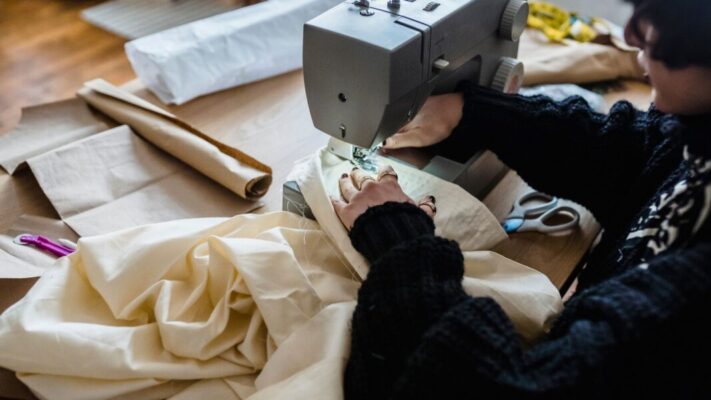
Ethical baby clothing production extends beyond fabric selection to the people who make the garments. In Bali, manufacturers emphasize fair labor practices, safe working conditions, and skill development for artisans. Employees are respected for their expertise in cutting, stitching, and finishing baby garments, and fair compensation ensures that the production process supports rather than exploits local communities. By maintaining high ethical standards, Bali manufacturers not only produce high-quality baby clothing but also contribute positively to the social fabric of the region. Communities benefit from stable employment, fair wages, and opportunities to develop traditional craft skills, creating a holistic model of sustainability that blends social, environmental, and economic responsibility. Many ethical baby wear manufacturers in Bali operate using small-batch or made-to-order production, which reduces waste, conserves resources, and allows meticulous attention to each garment. This approach aligns with the principles of slow fashion, ensuring that each piece is crafted thoughtfully and meets rigorous quality standards. Small-batch production also allows for collaboration with small brands and designers, providing the flexibility to test new styles, adjust sizing, and refine designs without committing to large, wasteful production runs. Each garment is inspected carefully for softness, durability, and safety, ensuring that babies wear clothing that is both functional and gentle on their sensitive skin.
Quality, Safety, and Longevity
Ethical production in Bali emphasizes durability alongside comfort. Baby clothing is designed to withstand repeated washing, active movement, and frequent use without losing shape or softness. Reinforced seams, smooth hems, and safe closures ensure garments remain functional and gentle, supporting the needs of growing infants. This attention to quality and longevity not only benefits parents by reducing the need for frequent replacements but also contributes to sustainability by limiting textile waste. Each ethically produced garment reflects a commitment to responsible consumption, ensuring that clothing is made to last both physically and ethically. The rise of ethical baby clothing production in Bali represents a convergence of modern parenting values, sustainable materials, and responsible manufacturing. By prioritizing natural fabrics, fair labor, small-batch production, and rigorous quality control, Bali has become a destination for brands seeking baby clothing that is safe, sustainable, and socially responsible. Parents can trust that garments made in Bali are crafted with care, designed for comfort, and produced in a way that supports communities and the environment. As awareness of ethical production continues to grow, Bali’s baby wear manufacturers are poised to set new global standards for conscientious, high-quality, and eco-friendly baby fashion.