Selecting the right school uniform supplier in Bali begins with a clear understanding of your school’s specific requirements. Consider factors such as the number of students, age ranges, seasonal variations, activity levels, and dress codes. Determining the scope of uniforms needed for daily attire, sports kits, formal uniforms, or optional seasonal layers helps narrow down suppliers who can meet your precise needs. A reliable supplier will work closely with your school to understand these requirements and provide solutions that align with the school’s identity, student comfort, and operational demands. Early discussions about quantities, sizes, and timelines ensure that the production process is smooth and avoids last-minute challenges.
Evaluating Fabric Quality and Comfort
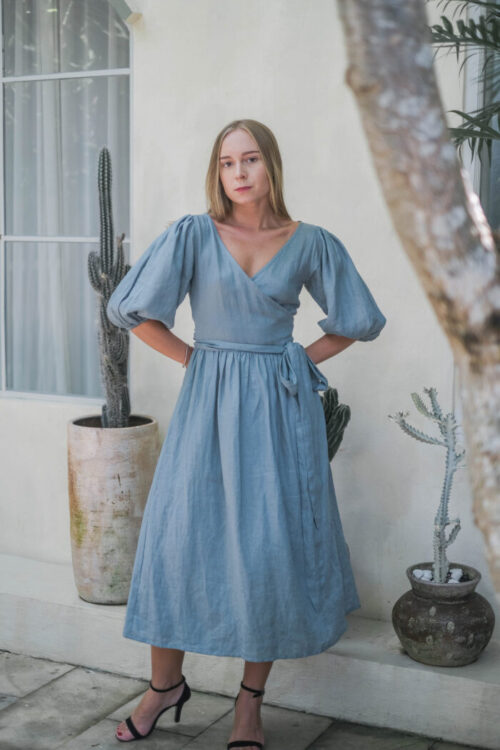
Fabric choice is critical when selecting a supplier. High-quality, breathable, and durable materials like cotton, cotton blends, linen, or bamboo fabrics ensure uniforms remain comfortable, hypoallergenic, and suitable for tropical climates. Students should be able to move freely, participate in physical activities, and stay comfortable throughout long school days. A reputable Bali supplier will provide fabric samples and detailed specifications, allowing the school to assess texture, durability, and maintenance requirements. Consistent fabric quality ensures that uniforms withstand repeated washing, prolonged wear, and everyday school activities without losing shape or color.
Assessing Customization Options
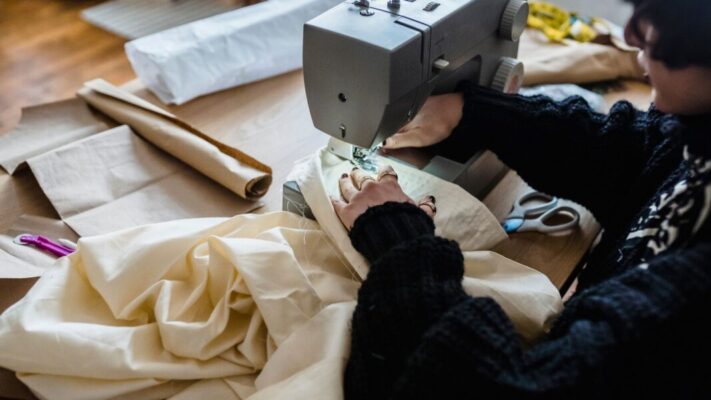
A key aspect of school uniforms is representing the school’s identity. Look for suppliers who offer custom embroidery, logo placement, color accents, and tailored designs to differentiate grades, houses, or special programs. Flexibility in design allows schools to maintain a cohesive visual identity while catering to specific needs, such as formal events, sports days, or seasonal uniforms. Balinese manufacturers are known for their expertise in creating custom, culturally aware designs while maintaining international quality standards, ensuring that uniforms are both functional and distinctive. It is essential to evaluate a supplier’s production capabilities and reliability. Consider factors such as lead times, batch consistency, quality control processes, and scalability for growing student populations. A dependable supplier can manage both small orders and large-scale production without compromising quality. Bali-based manufacturers often provide flexible production options, allowing schools to scale uniforms efficiently while maintaining uniformity in fabric, color, and design. This reliability is crucial for timely distribution and consistent appearance across all students.
Sustainability and Ethical Practices
Increasingly, schools are prioritizing sustainability and ethical sourcing. Suppliers offering eco-friendly fabrics, low-impact dyes, and ethical manufacturing practices provide uniforms that are not only durable and comfortable but also responsibly produced. Sustainable uniforms reflect positively on the school’s values and teach students the importance of environmental awareness. Choosing the right school uniform supplier in Bali requires careful consideration of fabric quality, customization options, reliability, production capacity, and sustainability. By partnering with a trusted manufacturer, schools can provide students with comfortable, durable, and stylish uniforms that reinforce school identity, support daily activities, and reflect institutional values. Bali’s garment industry offers experienced manufacturers who combine craftsmanship, functionality, and ethical production practices, making them ideal partners for modern educational institutions.