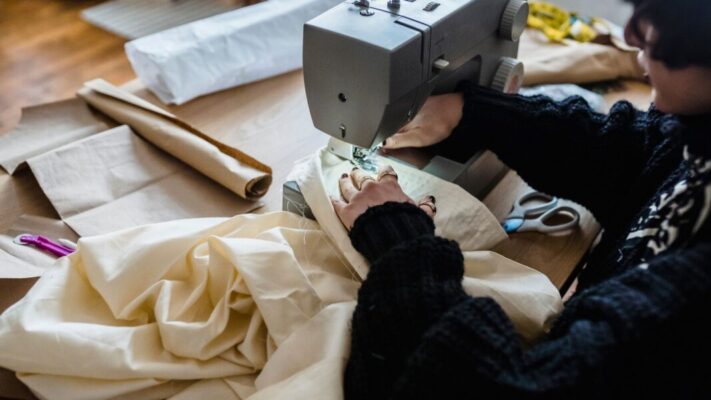
A Revolution Rooted in Values, Not Trends
The ethical fashion movement in Bali did not emerge overnight, nor was it driven by fleeting trends or global pressure alone. It grew organically from long-standing cultural values centered on balance, respect, and community responsibility. Over the past decade, these values have taken visible form through sustainable materials, ethical manufacturing, and mindful design practices embraced by local designers and garment producers. What began as a niche movement has now evolved into a broader revolution that continues to shape how fashion is created and consumed on the island. As ethical fashion becomes more established, the question is no longer whether it will last, but how it will continue to evolve.
From Awareness to Accountability
The next phase of Bali’s ethical fashion revolution is marked by a deeper focus on accountability. While early efforts emphasized awareness and intention, the future places greater importance on measurable impact and transparent practices. Brands are increasingly expected to demonstrate where materials come from, how garments are produced, and who is involved at every stage of the process. This shift reflects a more informed consumer base that values proof over promises. Ethical fashion in Bali is moving toward systems that are not only well-intentioned, but also verifiable, traceable, and consistently responsible.
Innovation in Materials and Production
Looking forward, innovation will play a crucial role in advancing ethical fashion on the island. Designers and manufacturers are experimenting with new sustainable fibers, improved fabric blends, and production techniques that reduce water use, energy consumption, and waste. Technology is being introduced thoughtfully, not to replace craftsmanship, but to enhance efficiency and minimize environmental impact. These innovations allow ethical fashion to scale responsibly, ensuring that growth does not compromise the principles that define the movement.
Strengthening Local Supply Chains
Another key direction for Bali’s ethical fashion future lies in strengthening local supply chains. By sourcing materials, labor, and services closer to home, brands reduce carbon emissions while supporting local economies. This localized approach fosters resilience and transparency, making it easier to uphold ethical standards. It also deepens collaboration between designers, artisans, dye houses, and manufacturers, reinforcing a fashion ecosystem built on mutual respect and shared values rather than outsourcing and anonymity.
Expanding Global Influence
As Bali’s ethical fashion reputation continues to grow, its influence is extending beyond the island. More international brands and designers are seeking partnerships with Balinese manufacturers known for sustainable practices and craftsmanship. This global interest presents both opportunity and responsibility. The next chapter of the revolution will involve maintaining ethical integrity while meeting international demand. Bali’s challenge, and strength, lies in showing that ethical fashion can scale without losing its cultural roots or compromising community well-being.
Education as the Foundation of Progress
Education remains central to what comes next. Designers, producers, and consumers alike benefit from a deeper understanding of sustainability, ethics, and long-term impact. Workshops, collaborations, and open conversations within the fashion community help refine standards and encourage continuous improvement. As knowledge grows, ethical fashion becomes less about labels and more about informed decision-making that shapes every aspect of production and consumption.
Redefining Success in Fashion
Perhaps the most profound shift ahead is the redefinition of success within the fashion industry. In Bali’s ethical fashion movement, success is increasingly measured by longevity, positive impact, and community benefit rather than volume or speed. Brands that endure are those that invest in quality, relationships, and responsibility. This perspective challenges conventional fashion models and offers an alternative vision where growth and ethics coexist rather than compete. Bali’s ethical fashion revolution is entering a mature and influential phase, one that looks beyond awareness toward lasting systemic change. What comes next is a future shaped by accountability, innovation, strong local networks, and global collaboration grounded in respect. By staying true to its cultural foundations while embracing thoughtful progress, Bali continues to demonstrate that fashion can be both beautiful and responsible. The revolution is no longer about proving that ethical fashion is possible, but about leading the way toward a more balanced and conscious global fashion industry.