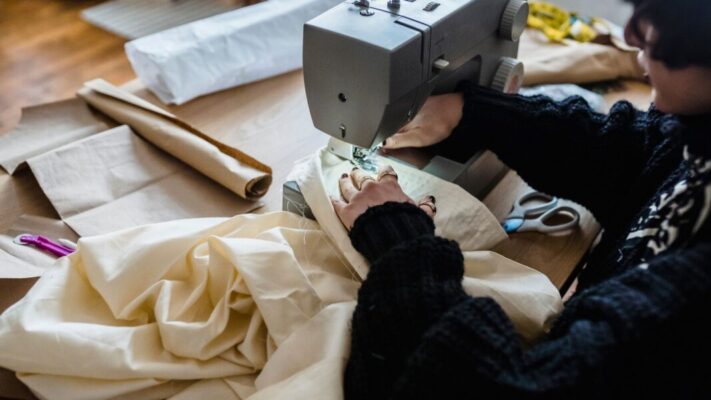
Bali has long been known for its rich textile heritage and skilled artisans, producing handwoven fabrics, intricate embroidery, and natural dyeing techniques passed down through generations. While these traditions were once primarily local and ceremonial, the rise of global interest in ethical fashion has propelled Bali onto the international stage. Designers and brands seeking sustainable and culturally authentic production now turn to the island not only for craftsmanship but also for its growing commitment to environmentally responsible practices. This evolution reflects a shift from purely artisanal production to a comprehensive model of ethical, eco-conscious fashion.
Embracing Sustainability in Materials and Practices
Central to Bali’s ethical fashion leadership is its focus on sustainable materials and production methods. Local manufacturers increasingly utilize natural fibers like linen, bamboo, organic cotton, and eco-rayon, which minimize environmental impact. In addition, environmentally conscious dyeing techniques, waste reduction strategies, and energy-efficient production processes have become standard in many workshops. By integrating these practices, Bali’s fashion industry demonstrates that high-quality garments can be produced without sacrificing the environment, setting a benchmark for ethical manufacturing across Southeast Asia.
Empowering Local Artisans and Communities
Ethical fashion in Bali is not limited to environmental concerns, it also prioritizes social responsibility. Brands and manufacturers collaborate with local artisans, cooperatives, and small-scale workshops, ensuring fair wages, safe working conditions, and skill development opportunities. This empowerment of local communities strengthens the social fabric of the industry, enabling artisans to sustain their craft while participating in the global market. In turn, these efforts contribute to a thriving, culturally rich fashion ecosystem that values people as much as profits.
Collaboration as a Catalyst for Change
Bali’s ethical fashion movement thrives on collaboration between designers, manufacturers, and artisans. Partnerships encourage innovation, knowledge sharing, and the adoption of sustainable methods, from zero-waste pattern making to eco-friendly dyeing and material sourcing. These collaborations foster creativity while maintaining ethical standards, ensuring that each garment produced aligns with the values of conscious consumption. By working together, local and international stakeholders have transformed Bali into a model for how ethical fashion can scale responsibly without compromising quality or heritage.
Aligning With Global Ethical Fashion Standards
As the global fashion industry increasingly emphasizes transparency and responsibility, Bali has positioned itself as a hub for ethically produced clothing. Factories and workshops are adopting supply chain tracking, sustainable certifications, and transparent production reporting to meet international standards. These initiatives give brands and consumers confidence that garments made in Bali adhere to both environmental and social responsibility guidelines. The island’s leadership in this area demonstrates that ethical fashion is not just a niche market but a viable, scalable approach that can influence global trends.
Inspiring Conscious Consumerism
Bali’s journey toward ethical fashion leadership has also shaped consumer behavior. Both residents and international visitors are exposed to the value of mindful clothing choices, from investing in durable, eco-friendly garments to supporting fair labor practices. This cultural shift encourages a more sustainable approach to fashion consumption, reinforcing the connection between production, environment, and community. By influencing how people think about clothing, Bali is nurturing a generation of conscious consumers who demand quality, sustainability, and accountability. Bali’s evolution from a center of traditional craftsmanship to a global leader in ethical fashion reflects the power of combining cultural heritage, sustainability, and social responsibility. By prioritizing eco-friendly materials, empowering local artisans, and fostering innovative collaborations, the island has established a blueprint for responsible fashion production. Bali demonstrates that ethical clothing is not only possible but also desirable, offering a model for the global industry where style, conscience, and environmental stewardship coexist harmoniously. Through this journey, the island proves that fashion can be a force for positive change benefiting people, communities, and the planet alike.