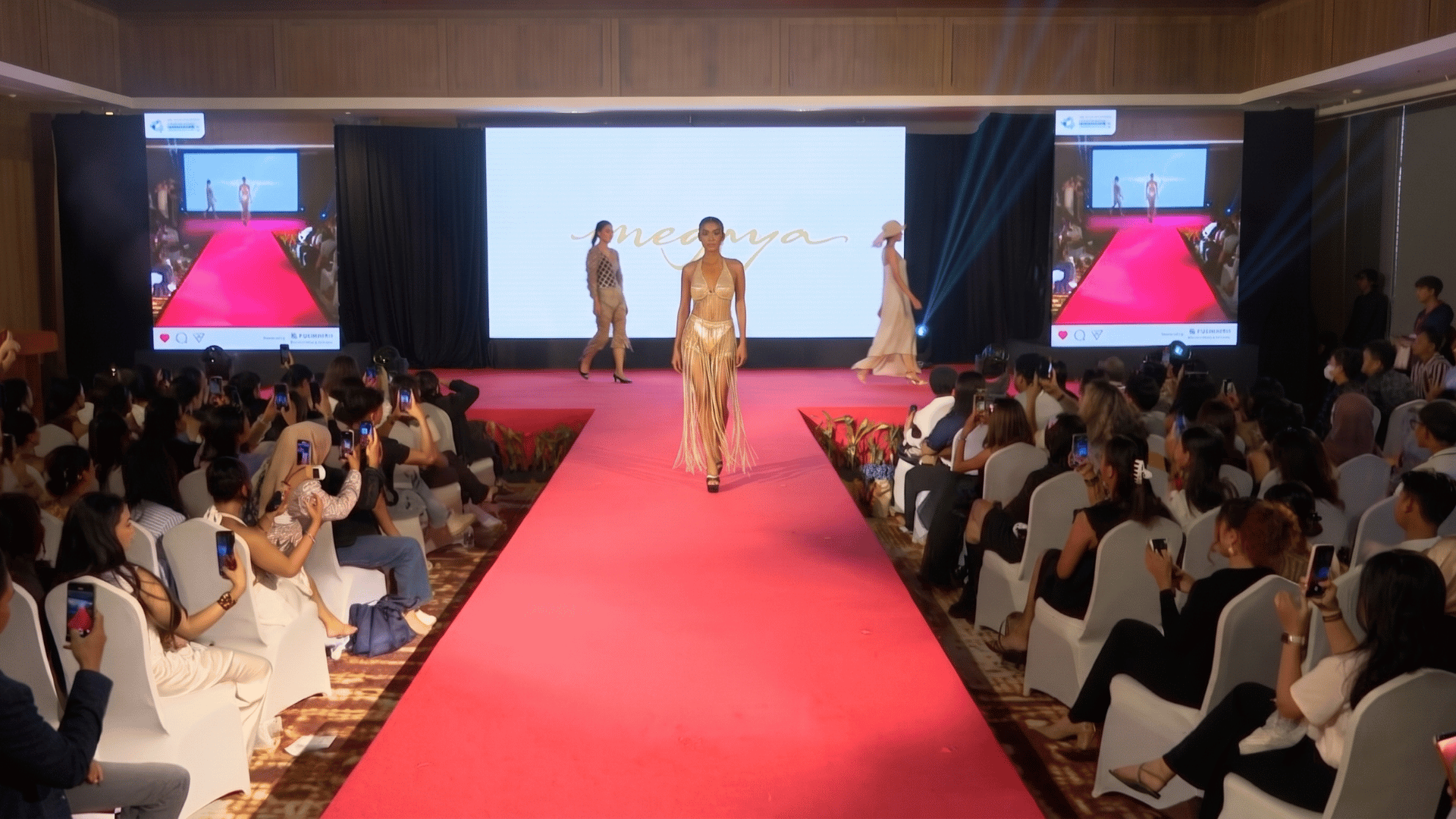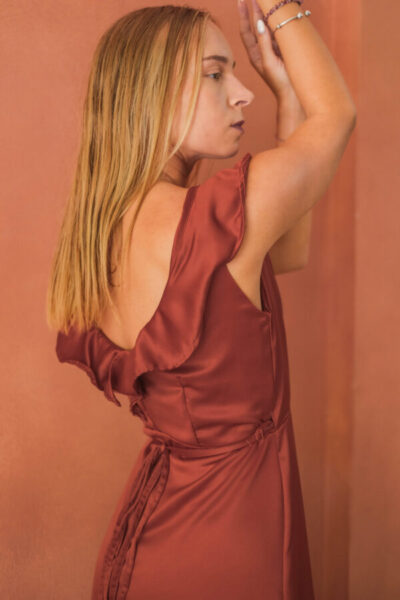
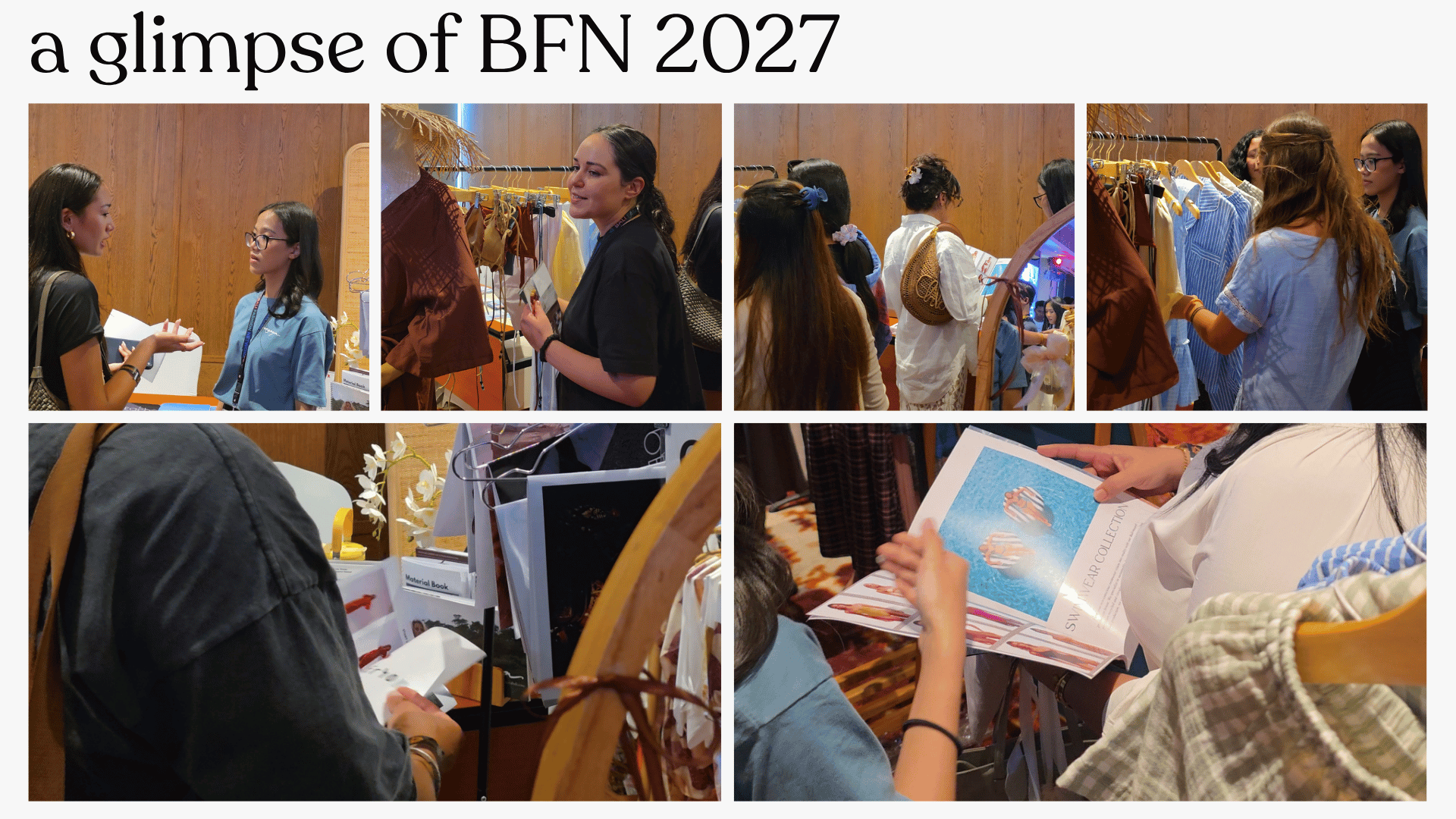
On October 17, 2026, Megaya Bali participated in a fashion show as a designer, bringing a playful theme to the runway: Party at the Beach.
The idea began with a familiar feeling. You arrive at the beach in the late afternoon, when the sunshine starts to soften and the air becomes more comfortable. There is music somewhere nearby. Friends are gathering, conversations move easily, and the evening feels full of possibilities.
What would you wear for that moment?
For Megaya Bali, this question became the starting point for a collection imagined around movement, comfort, and celebration. Party at the Beach explored the space between relaxed coastal clothing and dressing for a special occasion.
It was an opportunity to express a creative identity through clothing, bringing the perspective of a Bali-based garment maker into the role of designer. From the first idea to the finished look, the focus was on how a garment could feel natural to wear while still making an impression.
The Inspiration Behind Party at the Beach
A beach party has its own way of bringing people together. There is usually less formality, more movement, and room for everyone to express their personal style.
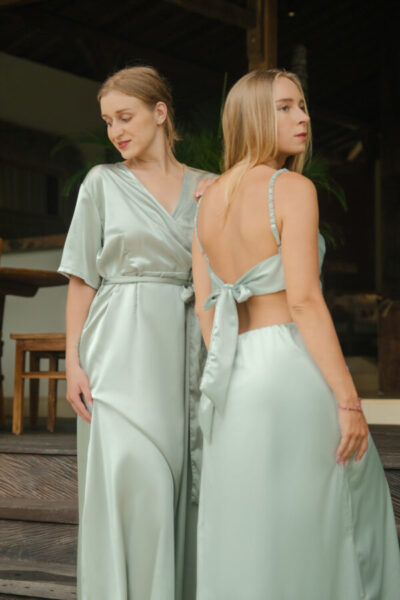
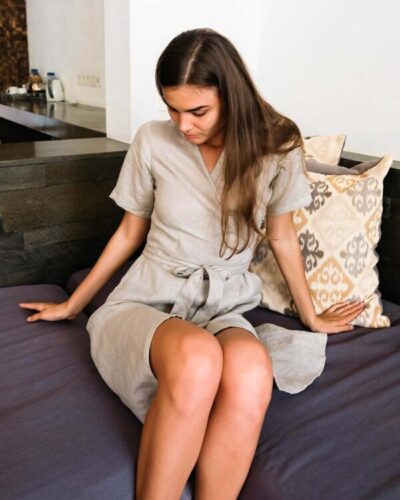
Some people arrive in a flowing dress. Others choose a loose shirt, easy trousers, or a matching set. Accessories add personality, but the clothing still needs to feel comfortable enough for walking, sitting, talking, and dancing.
This freedom shaped the creative direction of Party at the Beach.
We imagined a wardrobe for an afternoon that slowly turns into an evening celebration. The pieces needed to belong to the same story while giving different people different ways to dress.
Rather than building the concept around one specific occasion, we thought about a series of moments: arriving by the coast, meeting friends, sharing a meal, and staying a little longer because the music is good.
Each moment suggested a different relationship between the clothing and the person wearing it. That gave the collection a sense of variety without losing its central idea.
Bringing a Bali Perspective to the Design
Working in Bali means being surrounded by an environment where clothing often needs to balance appearance with practical comfort.
Warm weather influences fabric choices. Outdoor settings affect how people move. Travel and hospitality create occasions where an outfit might need to work across several parts of the day.
These everyday considerations offered a useful foundation for the collection.
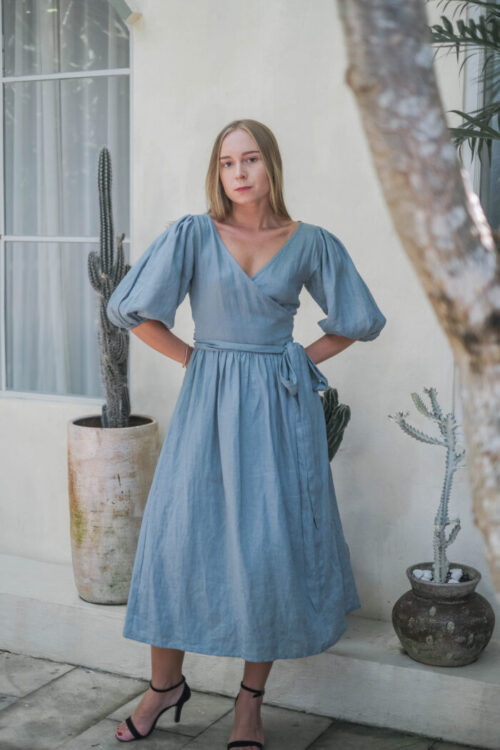
For Party at the Beach, we wanted the connection to Bali to come through in the ease of the clothing. The concept allowed space for open shapes, relaxed proportions, and pieces that could be styled with a personal touch.
We also thought about the confidence people often feel when they are on holiday. They may try a different colour, choose a more expressive silhouette, or wear something they have been saving for the right occasion.
That willingness to experiment became part of the mood. The collection invited the wearer to enjoy getting dressed and to feel comfortable being noticed.
A Colour Story Inspired by the Coast
Colour helped establish the atmosphere of Party at the Beach before any individual garment was considered.
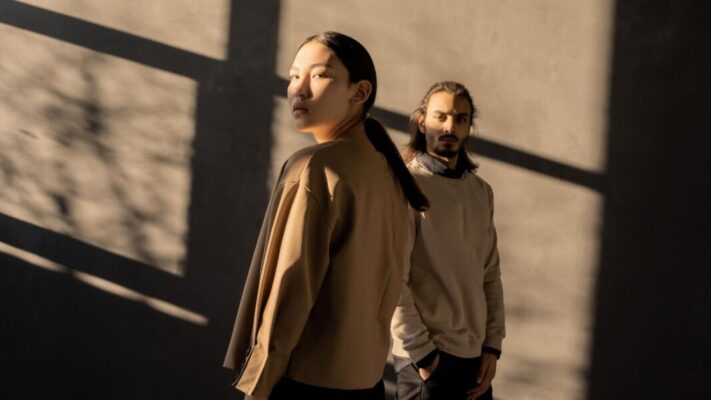
The creative palette drew on the changing colours of a coastal day: pale sand, soft white, blue water, and the warmer shades that appear as sunset approaches.
These references offered several directions to explore. Lighter tones could create a calm foundation, while brighter accents could bring energy to a look. Deeper colours could carry the story into the evening.
The relationship between colours mattered as much as the individual shades.
A soft neutral beside a stronger colour can make both feel more considered. A coordinated outfit can create a clear statement, while a subtle difference between two pieces can introduce depth.
We wanted the colour story to support different personalities within the same collection. Some looks could feel quiet and effortless. Others could feel more expressive, like the moment when the gathering becomes a party and everyone moves a little closer to the music.
Designing Silhouettes That Invite Movement
Movement was central to the way we imagined the collection.
A garment for a beach celebration needs to look appealing while the wearer is doing ordinary things. It should feel comfortable when taking a step, turning around, reaching for a drink, or sitting down with friends.
This led us to explore silhouettes with room to move.
Flowing shapes, easy separates, and relaxed layers offered ways to build volume without making an outfit feel heavy. More defined elements could then provide balance, giving the eye a point of focus.
We considered how different proportions might work together. A fuller shape could sit beside a cleaner line. A shorter piece could balance a longer layer. A simple base could give a more expressive garment the space it needed.
The aim was to create looks with a clear identity while allowing the wearer to remain at ease. Clothing becomes more convincing when the person wearing it can move naturally.
Thinking Carefully About Fabric
Fabric is often where an idea begins to change into something real.
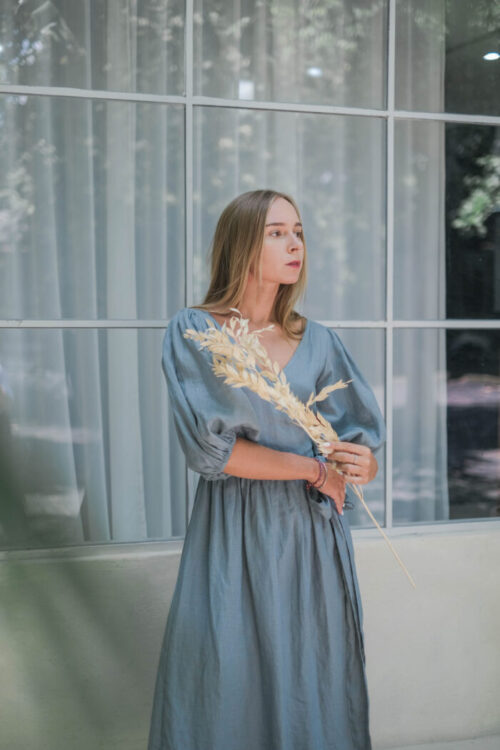
A sketch can suggest a shape, but the material determines how that shape behaves. It affects the way a garment falls, how much volume it holds, and how it feels against the body.
For a theme such as Party at the Beach, these questions become especially relevant.
We thought about the qualities that would suit a warm-weather celebration: an appealing drape, a comfortable feel, and enough structure for the intended design. Different pieces could require different answers.
A flowing garment might need softness and movement. A more defined silhouette might need material that holds its shape. A layer could introduce texture or lightness without adding unnecessary weight.
Fabric also influences colour. The same shade can appear different on a smooth surface, a textured weave, or a material with a slight sheen.
Considering these relationships helped connect the visual concept with the practical experience of wearing the clothes.
From an Idea to a Complete Look
Developing a collection means making many small decisions that need to work together.
An early reference might communicate the right feeling, but it does not answer every design question. Where should a garment finish? How much volume should it have? Does it need a fastening? What happens when it is worn with the next piece?
For Party at the Beach, the imagined design journey moved between the overall mood and these smaller details.
Each look needed its own character, but it also needed a place within the collection. Repeating every element would make the story predictable. Introducing too many unrelated ideas would make it difficult to follow.
The work was in finding connections.
A colour could return in a different proportion. A shape could appear again with another styling approach. A detail could link two outfits without making them feel identical.
This is how a collection begins to feel like a conversation between garments rather than a group of separate designs.
The Importance of Sampling and Fit
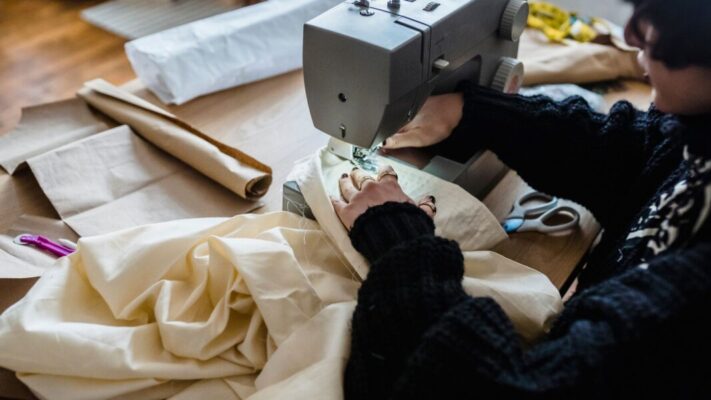
Sampling gives a design the chance to be questioned.
Once an idea becomes a physical garment, details that seemed settled on paper may need another look. A neckline might sit differently than expected. A sleeve may need more space. A hem might interrupt the movement that made the original concept appealing.
These adjustments are part of developing clothing.
Within the creative story of Party at the Beach, fitting was a way to bring the focus back to the wearer. The collection was built around social movement, so the clothes needed to be considered in motion.
Walking, turning, sitting, and raising the arms can reveal things that a still photograph cannot.
Proportion also becomes clearer during a fitting. A small change in length can alter the balance of an entire outfit. Adjusting the placement of a seam or fastening can make a piece feel more comfortable and more resolved.
The goal is to reach a point where the design feels intentional and the wearer does not need to keep adjusting it.
Styling the Collection for a Beach Celebration
Styling helped turn the individual garments into a fuller expression of the theme.
For Party at the Beach, we imagined an approach that felt expressive and easy to understand. The clothing would lead, with accessories supporting the colour, proportion, and mood of each look.
Some outfits could benefit from a clear statement accessory. Others might need very little because the silhouette already carried enough interest.
We also considered how styling could suggest different times of day.
An open layer might feel suited to a late-afternoon arrival. A more defined combination could suggest an evening gathering. A change in accessories could give the same garment another character.
This flexibility was part of the concept’s appeal. People rarely build their wardrobes around a single complete look worn in exactly one way.
By thinking about how the pieces could be combined, we could imagine the collection continuing beyond its first presentation.
Translating the Theme to the Runway
A runway presentation asks a collection to communicate quickly.
The audience has only a short time to take in each outfit. Colour, shape, movement, and styling need to give them enough information to understand the direction.
For Megaya Bali’s participation on October 17, 2026, Party at the Beach provided that central thread.
The theme offered a way to connect the looks through a shared atmosphere. It encouraged us to think about the collection as a sequence, with changes in energy and expression that still belonged to the same setting.
An opening look can introduce the mood. The following outfits can expand it, showing different proportions or a stronger use of colour. A closing look can leave a final impression of the creative direction.
Thinking in this way gives purpose to the presentation. Each garment has a role in helping the audience understand the collection.
Looking at Fashion Through a Designer’s Eyes
Participating as a designer creates a different relationship with clothing.
In manufacturing, there is a strong focus on understanding a brief and translating it accurately into a finished product. Designing a collection adds another responsibility: deciding what the brief should be.
What do we want to say? Who do we imagine wearing these pieces? Why should the garments belong together?
Party at the Beach gave Megaya Bali a clear starting point for exploring those questions.
Our experience with garment development provided a practical perspective. Fabric, construction, fit, and finishing were all part of the creative conversation.
A visually appealing idea still needs decisions that make it wearable. Equally, a practical garment can benefit from a more expressive choice of proportion, colour, or detail.
Working between these considerations helped shape the collection’s identity. It allowed us to approach the runway with an interest in both the image and the garment itself.
Recognising the Work Behind a Finished Garment
When an outfit appears on the runway, the audience sees the finished result.
Behind that result is a chain of connected tasks. Ideas need to be discussed, materials considered, patterns developed, samples reviewed, and details checked.
The process depends on people noticing different things.
One person may identify a proportion that needs adjusting. Another may suggest a construction method that better suits the material. Someone else may notice a finishing detail that affects the overall appearance.
A collection benefits from that shared attention.
Party at the Beach offered a useful reminder of how much care can sit within a garment that looks effortless. Ease is often the result of careful decisions made earlier in the process.
For us, acknowledging that work is part of telling the collection’s story. The creative idea gives it direction, and the making process gives it a form that someone can wear.
Imagining Life Beyond the Fashion Show
Although the runway was the occasion for presenting the concept, Party at the Beach also invited us to imagine where the clothes might go afterwards.
A holiday dinner. A seaside birthday. A gathering at a resort. An evening with friends when everyone decides to dress up a little.
These settings helped keep the concept connected to everyday choices.
We wanted to think about garments as pieces with possibilities. A separate could be paired with something already in a wardrobe. A layer could change the character of a simple outfit. A statement piece could become the starting point for a special occasion.
This perspective also gives the wearer a role in the design story.
Once someone chooses a garment, they bring their own preferences, accessories, and way of moving to it. The finished outfit becomes personal.
That possibility makes designing clothing rewarding: the collection begins with an idea, then continues through the people who wear it.
Continuing the Creative Journey with Megaya Bali
Megaya Bali’s participation in the October 17, 2026 fashion show gave Party at the Beach a setting in which to express its central idea: dressing for the pleasure of being together.
The theme brought our attention to movement, warm-weather comfort, colour, and the relationship between a garment and an occasion. It also created room to explore how our experience in making clothing could inform a collection of our own.
For designers and brand owners, developing a collection often starts in a similar place. You may have a setting in mind, a customer you understand, or a feeling you want the clothing to capture.
The next step is to turn that direction into clear design choices.
At Megaya Bali, we welcome conversations about those ideas. Whether you are developing your first styles or planning a new collection, you can share your references, sketches, fabric preferences, and production needs with our team.
Explore Megaya Bali’s services or contact us to discuss what you would like to create.