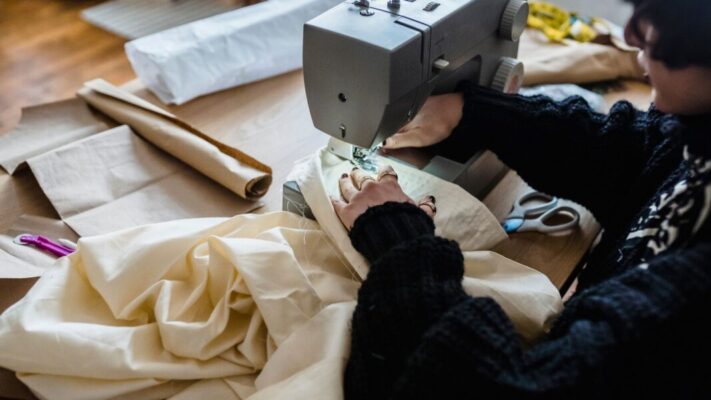
Partnering with local manufacturers brings immediate social and economic benefits. Working with factories and artisans in your region keeps production closer to home, supporting local jobs and small businesses. In places like Bali, where garment manufacturing blends skilled craftsmanship with sustainable practices, choosing local suppliers allows fashion brands to contribute directly to the community. This approach strengthens local economies while ensuring that ethical labor practices are more easily monitored and upheld.
Reduced Environmental Footprint
One of the most compelling reasons to choose local manufacturers is the environmental benefit. Shorter shipping distances reduce carbon emissions associated with transportation, while smaller-scale logistics minimize packaging waste. By producing closer to your brand’s headquarters or primary market, companies can lower the overall environmental impact of their supply chain. In combination with eco-friendly fabrics like linen, rayon, or organic cotton, local production creates a more sustainable garment lifecycle from material sourcing to finished product delivery.
Greater Transparency and Collaboration
Working with nearby manufacturers enhances transparency throughout the production process. Brands can visit facilities, review working conditions, and verify eco-friendly practices firsthand. This direct engagement fosters collaboration, allowing designers and manufacturers to communicate more effectively about fabric choices, cutting methods, and production techniques that minimize waste. Clearer communication also reduces errors and material losses, improving efficiency and maintaining the integrity of sustainable production goals.
Flexible and Small-Batch Production
Local manufacturers are often more adaptable to small-batch production compared to large overseas factories. This flexibility is crucial for emerging brands or seasonal collections that require low minimum order quantities (MOQs). Small-batch production reduces overproduction and excess inventory, which are common sources of waste in mass manufacturing. It also allows designers to experiment with new fabrics, cuts, or styles without committing to large quantities that may go unsold.
Supporting Sustainable Practices
Many local manufacturers specialize in eco-conscious production methods. In Bali, for example, factories often prioritize energy-efficient processes, proper handling of chemical treatments, and the use of renewable or biodegradable fabrics. By choosing local partners committed to sustainability, brands can ensure that every garment aligns with responsible manufacturing standards. This alignment also strengthens brand messaging, showing customers that the company is serious about environmental stewardship and ethical production.
Faster Feedback and Quality Control
Producing locally allows for quicker adjustments during sampling or bulk production. Designers can review prototypes, request modifications, and address quality issues in real time without the delays of international shipping. This hands-on approach ensures garments meet both aesthetic and functional expectations while reducing fabric waste caused by miscommunication or incorrect production runs. Close collaboration with local manufacturers also facilitates ongoing improvements in eco-friendly processes, helping brands maintain high sustainability standards.
Building Long-Term Partnerships
Choosing local manufacturers encourages long-term relationships built on trust, transparency, and shared values. Brands can work closely with production teams to develop consistent quality, implement innovative sustainability techniques, and refine processes over time. These partnerships foster continuity, improve production efficiency, and enhance the overall ethical and environmental footprint of the brand. Unlike distant overseas operations, local collaboration provides a deeper understanding of capabilities, limitations, and opportunities for sustainable growth. Selecting local manufacturers is more than a logistical choice, it’s a strategic, sustainable decision. By producing closer to home, brands reduce environmental impact, support ethical labor, and ensure greater oversight of eco-friendly practices. Local manufacturers also offer flexibility, precision, and direct collaboration that enhance both the quality and sustainability of garments. For modern fashion brands, this approach allows style, functionality, and responsibility to coexist, creating collections that are not only beautiful but also environmentally and socially conscious.