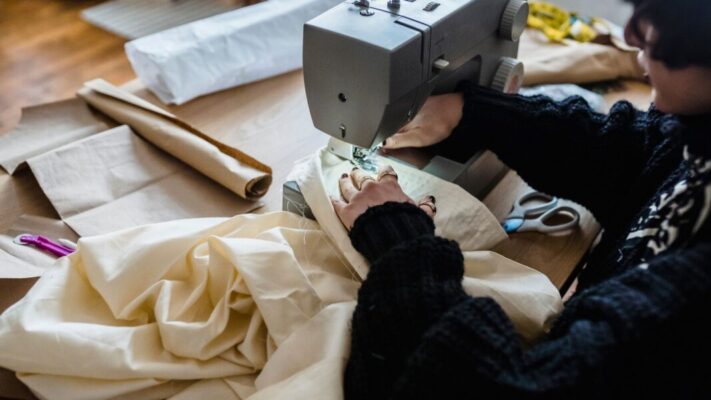
In fashion manufacturing, the journey from design to finished garment does not happen all at once. It begins with testing, refinement, and validation before moving into full-scale production. Two critical stages define this journey: clothing sampling and bulk production. While both are essential, they serve very different purposes and require different approaches. For brands working with garment manufacturers in Bali, understanding the difference between clothing samples and bulk production is key to achieving consistent quality and avoiding costly mistakes. Each stage plays a specific role in ensuring that the final product meets design expectations, fits well, and performs reliably in real-world use.
Clothing Sampling as the Foundation of Production
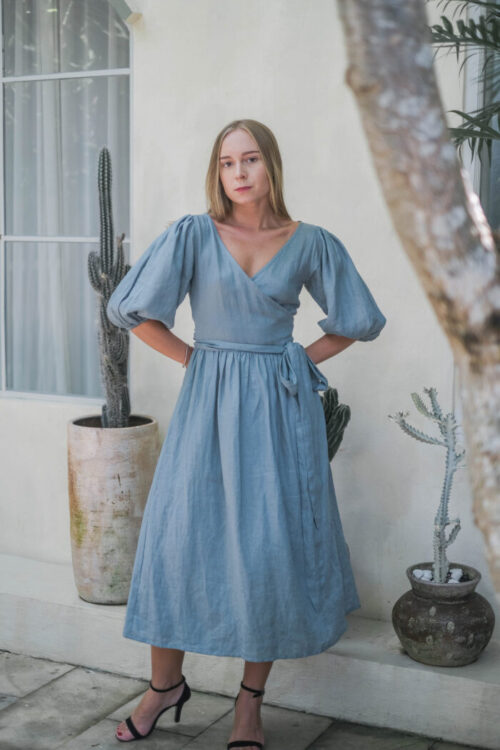
A clothing sample is the first physical version of a design. It is created to test how a garment looks, feels, and fits before committing to larger quantities. Sampling allows brands to see their ideas come to life and evaluate every detail, from fabric choice to stitching quality. In Bali, clothing sampling is often a collaborative process. Manufacturers work closely with brands to refine patterns, adjust measurements, and improve construction details. This stage provides valuable insight into how materials behave, how designs translate from concept to reality, and where improvements can be made before production scales up.
Why Sampling Is More Than Just a Prototype
Sampling is not simply about creating a preview garment. It is a critical decision-making tool that helps brands assess feasibility, cost, and production readiness. During the sampling stage, brands can identify potential issues that may not be obvious on paper, such as fabric shrinkage, comfort during movement, or the durability of certain finishes. Many fashion brands underestimate the importance of this phase, viewing it as an extra cost rather than an investment. In reality, sampling reduces risk by allowing changes to be made early, when adjustments are still manageable and cost-effective.
Bulk Production as a Commitment to Consistency
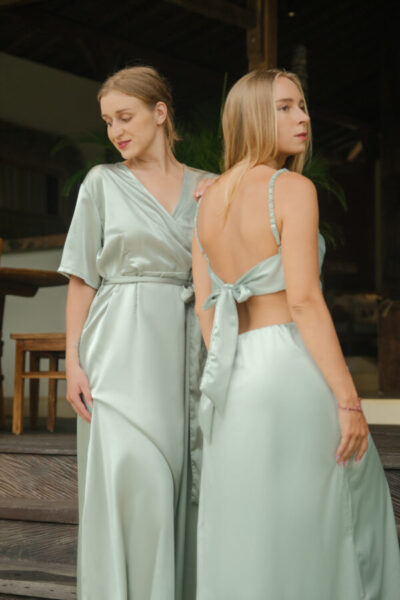
Bulk production is the stage where approved designs are manufactured in larger quantities. Once a sample is finalized and approved, it becomes the reference standard for all garments produced in bulk. At this point, consistency and efficiency become the main focus. In Bali, bulk production requires careful planning, coordination, and quality control. Manufacturers follow the approved sample closely to ensure that sizing, construction, and finishing remain consistent across all units. Unlike sampling, where experimentation and revisions are expected, bulk production prioritizes repetition and accuracy.
The Key Difference Between Sampling and Bulk Production
The main difference between clothing sampling and bulk production lies in purpose and flexibility. Sampling is exploratory and adaptable, allowing for changes and refinements. Bulk production is structured and standardized, designed to replicate the approved sample as accurately as possible. During sampling, brands and manufacturers work through questions and adjustments together. During bulk production, decisions have already been made, and the goal is to execute them efficiently. Understanding this distinction helps brands approach each stage with the right expectations and mindset.
Cost, Time, and Decision-Making at Each Stage
Sampling typically involves higher costs per piece because garments are produced individually or in very small quantities. However, this cost reflects the time, expertise, and customization involved. Bulk production, on the other hand, benefits from economies of scale, resulting in lower costs per unit. Time considerations also differ between the two stages. Sampling may take longer due to revisions and feedback cycles, while bulk production follows a more predictable timeline once everything is approved. Brands that rush through sampling often encounter issues later, when changes are far more expensive and difficult to implement.
Quality Control from Sample to Bulk Production
Quality control begins during the sampling stage and continues throughout bulk production. The approved sample acts as a benchmark for workmanship, measurements, and finishing. In Bali-based garment factories, quality checks are performed at multiple points to ensure that bulk production aligns with the approved sample. When sampling is done thoroughly, quality control during bulk production becomes more effective. Clear standards reduce ambiguity and help manufacturers maintain consistency across large quantities, protecting the brand’s reputation and customer satisfaction.
How Bali Manufacturers Support Both Stages
One of the advantages of working with garment manufacturers in Bali is their experience in handling both sampling and bulk production for international clients. Many factories offer flexible sampling services alongside scalable production capabilities, making it easier for brands to grow at their own pace. Clear communication, skilled craftsmanship, and attention to detail allow Bali manufacturers to guide brands smoothly from sampling to full production. This support is especially valuable for emerging brands navigating the manufacturing process for the first time.
Choosing the Right Approach for Your Brand
Understanding the difference between clothing samples and bulk production helps brands make smarter production decisions. Sampling should be approached as a phase of learning and refinement, while bulk production represents commitment and execution. Brands that respect both stages create stronger foundations for long-term growth. By investing time in sampling and approaching bulk production with clarity and preparation, fashion brands can achieve consistent quality and smoother manufacturing experiences.
From Sample to Scale with Confidence
Clothing sampling and bulk production are not opposing stages but complementary parts of a successful manufacturing process. Sampling allows ideas to be tested and refined, while bulk production transforms those ideas into market-ready products. For brands working with garment manufacturers in Bali, understanding this difference leads to better collaboration, fewer mistakes, and more reliable results. When both stages are approached with intention and care, the transition from sample to bulk production becomes a confident step toward building a strong and sustainable fashion brand.