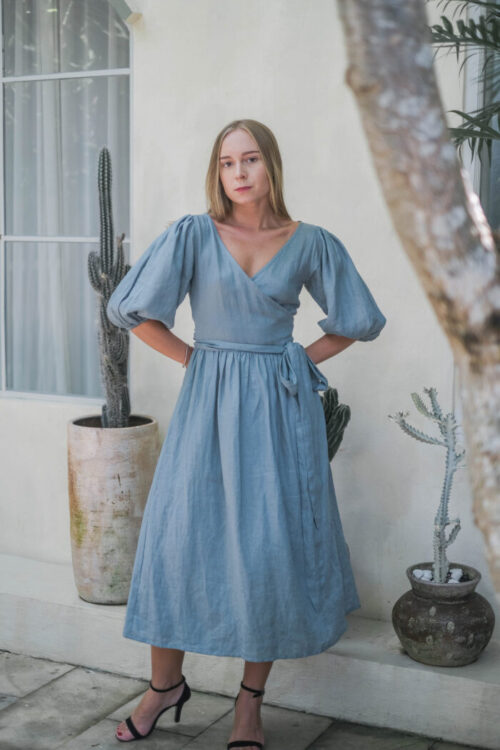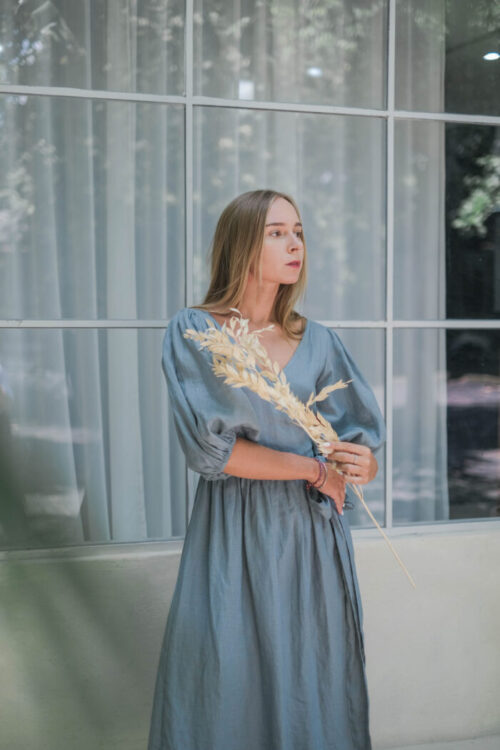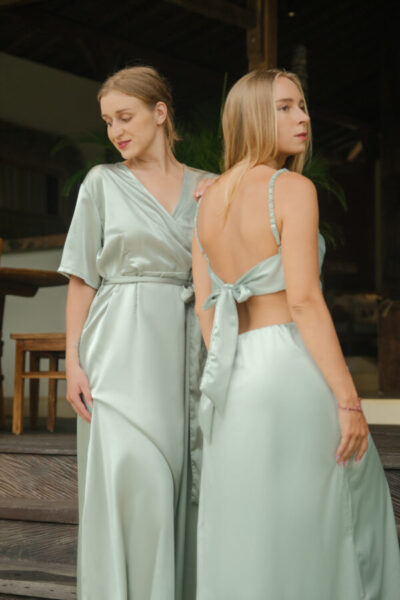
A cotton blend is a textile fabric made by combining cotton fibers with one or more other types of fibers, either natural or synthetic. The purpose of blending cotton is to enhance specific properties such as durability, stretch, wrinkle resistance, moisture control, or cost efficiency while retaining cotton’s natural comfort. Common fibers blended with cotton include polyester, elastane (spandex), linen, rayon, modal, bamboo, and sometimes silk. By blending cotton with other fibers, manufacturers can tailor fabrics for various applications ranging from everyday clothing to industrial textiles.
Cotton has been used as a textile fiber for thousands of years, with early cultivation traced back to ancient civilizations in India, Egypt, and the Americas. Traditionally, cotton fabrics were made from 100% cotton fibers and valued for their softness, breathability, and comfort. However, pure cotton also has limitations, such as wrinkling easily, shrinking, and lower durability compared to some other fibers.
The concept of cotton blending became prominent during the industrial revolution and expanded rapidly in the 20th century with the development of synthetic fibers such as polyester and nylon. During this period, textile manufacturers began blending cotton with synthetics to improve fabric performance, reduce production costs, and create easy-care garments. Cotton-polyester blends became especially popular after World War II, as they offered better wrinkle resistance and durability. Today, cotton blends are a standard part of the global textile industry and are widely used in both fashion and functional textiles.
Key Characteristics of Cotton Blend
Cotton blend fabrics offer a soft and comfortable feel from the cotton content while providing improved durability compared to pure cotton, making garments more resistant to wear over time. They generally have better wrinkle resistance, especially when blended with synthetic fibers, and enhanced stretch and flexibility when combined with elastane or spandex, allowing for a better fit and freedom of movement. Depending on the blend ratio, they remain breathable and comfortable for daily wear, with reduced shrinkage after washing compared to 100% cotton. Cotton blends also present versatile textures and appearances based on the fiber combination used, and they are easier to maintain, more dimensionally stable, and tend to have a longer garment lifespan.
Uses of Cotton Blend
Cotton blend fabrics are used extensively across many sectors of the textile and apparel industry. In clothing, they are commonly found in t-shirts, shirts, trousers, dresses, underwear, sportswear, and uniforms. Cotton blends are especially popular in casual wear and workwear because they combine comfort with durability and easy care. In home textiles, cotton blends are used for bed linens, curtains, upholstery, and towels, offering improved strength and reduced wrinkling. Cotton blends are also widely used in school uniforms, corporate attire, and promotional apparel due to their cost-effectiveness and ability to maintain shape and color after repeated washing. Their adaptability makes cotton blends suitable for both everyday and specialized applications.
Key Variations of Cotton Blend
Cotton blend fabrics come in many variations depending on the fibers combined with cotton, such as cotton–polyester blends that balance softness with durability and wrinkle resistance, cotton–elastane blends that add stretch and flexibility for improved fit and comfort, and cotton–rayon or cotton–modal blends that enhance drape and create a smoother, more fluid texture. Cotton–linen blends increase breathability and give a natural, slightly textured appearance, cotton–bamboo blends improve softness and moisture absorption for a cooler feel on the skin, while cotton–silk blends produce a lightweight, refined, and luxurious fabric suitable for more elegant garments.
Advantages of Cotton Blend
Cotton blends offer a balanced combination of natural comfort and enhanced functional performance by combining cotton with other fibers such as polyester, spandex, bamboo, rayon, or linen. This blending allows fabrics to retain the familiar softness and breathability of cotton while benefiting from the added properties of the secondary fibers, such as improved strength, elasticity, moisture management, or thermal regulation. As a result, cotton blends are able to meet a wider range of performance and design requirements than pure cotton alone.
One of the main advantages of cotton blends is their improved durability compared to pure cotton, allowing garments to better withstand frequent washing, daily wear, and physical stress without quickly losing their shape or surface quality. Blended fabrics are often more resistant to wrinkling, shrinking, and fading, which makes them easier to care for and more suitable for modern lifestyles that demand low-maintenance clothing. In addition, cotton blends can be engineered for specific functions, such as added stretch for comfort and mobility, enhanced moisture management for active or warm conditions, or improved insulation for cooler environments. This adaptability makes cotton blends highly versatile and widely used across fashion, activewear, workwear, and lifestyle textiles, where both comfort and performance are equally important.
Modern Fashion and Trends
In modern fashion, cotton blends have become an essential material because of their practicality, adaptability, and ability to meet the demands of contemporary lifestyles. They are widely used in fast fashion, sportswear, athleisure, and everyday basics because they combine the natural comfort and breathability of cotton with the improved shape retention, durability, and easy care provided by blended fibers. This balance allows brands to produce garments that feel comfortable to wear while remaining visually consistent and structurally stable through repeated use and washing.
Sustainable fashion trends have further influenced the development and popularity of cotton blends, with many brands increasingly choosing organic cotton combined with recycled polyester or eco-friendly fibers such as bamboo and modal. These blends allow designers to reduce environmental impact while maintaining performance and aesthetic standards. Cotton blends are also particularly popular in minimalist fashion, streetwear, and professional clothing, as they accept dye and print well, hold tailored shapes more effectively than pure cotton, and can be adapted to a wide range of silhouettes and design concepts. The continued global demand for clothing that is easy to care for, affordable, comfortable, and versatile ensures that cotton blends remain a dominant and enduring fabric choice within the fashion industry.
Care and Maintenance of Cotton Blend
Cotton blend fabrics should be washed in cold or warm water depending on the fiber composition, using a mild detergent to preserve softness, color, and fiber strength, while avoiding high heat during washing, drying, or ironing because it can damage synthetic components or cause shrinkage. For best results, air-dry or tumble dry on low heat, iron at a medium temperature if needed, and always follow the garment’s care label since each blend behaves differently; excessive bleaching should be avoided, especially in blends containing polyester, elastane, or other synthetic fibers, as it can weaken the fabric and shorten its lifespan.