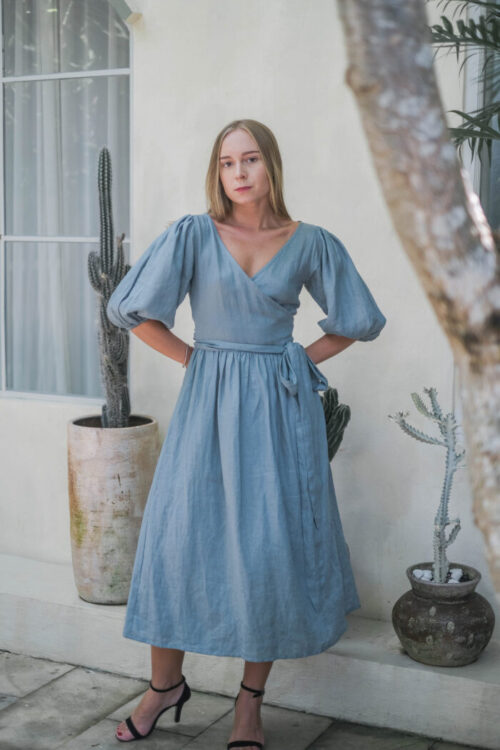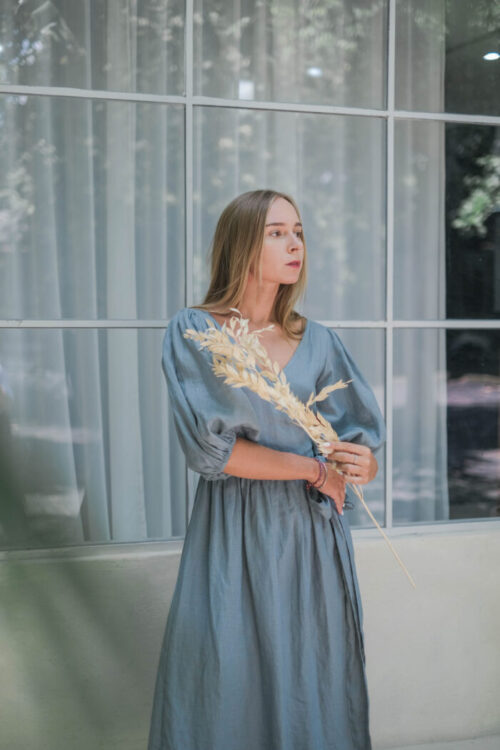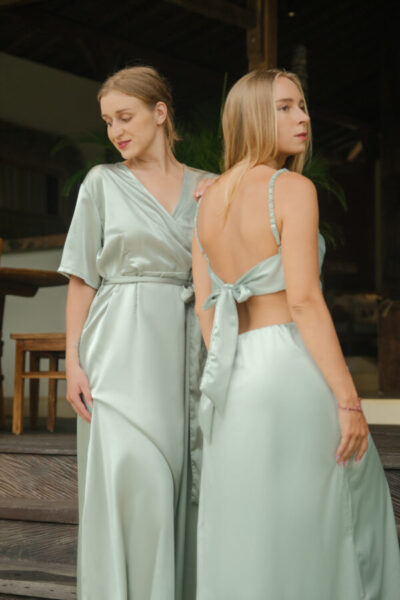
Bamboo spandex fabric is a modern textile, not a traditional or ancient one. Bamboo blend with spandex is a soft, eco-friendly, and highly stretchy fabric commonly a 95% bamboo viscose/5% spandex mix. It combines bamboo’s breathability, moisture-wicking, and antibacterial properties with spandex’s 4-way stretch and shape retention. It is ideal for activewear, lounge clothing, and babywear. It gained popularity because the rise of bamboo spandex coincided with growth of comfort-focused fashion, increased interest in plant-based fibers, advances in knitting technology, and demand for soft breathable fabrics with stretch. It is not a traditional fabric but a modern hybrid, designed to combine bamboo viscose’s softness and moisture performance with spandex’s elasticity and shape control.
The bamboo used in textiles is not mechanically spun like cotton or wool in most cases. Instead, it is typically processed into regenerated cellulose fiber, most commonly bamboo viscose or bamboo rayon. This process is chemically similar to how rayon has been made since the late 19th and early 20th centuries. Bamboo began to be promoted as a textile source in the late 20th century, but it was not until the 1990s and early 2000s that bamboo viscose fabrics entered commercial fashion markets. Manufacturers were seeking plant-based alternatives to cotton that could offer softness, moisture management, and a smooth hand feel. Spandex (also known as elastane or Lycra) was invented in 1958 by Joseph Shivers at DuPont. Its invention revolutionized clothing by providing long-lasting elasticity that natural fibers could not achieve. By the late 20th century, spandex was commonly blended with cotton, polyester, and regenerated fibers.
The bamboo spandex blend emerged in the early 2000s, when textile manufacturers began combining bamboo viscose fibers with a small percentage of spandex (typically 3–8%). The goal was to overcome bamboo viscose’s main limitation: lack of natural elasticity. By adding spandex, manufacturers improved stretch, recovery, shape retention, durability in fitted garments. This blend became especially popular as demand grew for soft, flexible, body-conforming fabrics in categories like underwear, active-inspired wear, loungewear, baby clothing, and performance basics.
Characteristic
This fabric is exceptionally soft and luxurious with a silky-smooth hand feel often compared to cashmere or silk, and it features a heavy, flowing drape that enhances comfort and elegance. With the addition of spandex, it gains four-way stretch and excellent flexibility while maintaining strong shape recovery, allowing free movement without losing form. It is highly breathable and moisture-wicking, helping regulate body temperature and keep the wearer dry, while its natural antibacterial and hypoallergenic properties make it gentle on sensitive skin and resistant to odor buildup. The fabric also offers versatile performance by acting as an insulator — keeping the wearer cool in summer and warm in winter — and despite its softness, it remains strong, durable, and abrasion-resistant. Considered more sustainable due to bamboo’s fast-growing nature, this fabric is commonly used in activewear, loungewear, underwear, sleepwear, and everyday apparel that prioritizes comfort, performance, and skin-friendly qualities.
Key Applications of Bamboo Blend with Spandex
Bamboo blend with spandex is widely used across various apparel categories due to its softness, stretch, and performance properties, making it ideal for activewear and sportswear such as sports bras, leggings, running shorts, and yoga wear thanks to its moisture-wicking, temperature-regulating, and antimicrobial qualities. It is also popular for baby clothing and swaddles because of its gentle, breathable, and skin-friendly nature, as well as for loungewear and underwear where its buttery-soft feel enhances comfort in nightwear and everyday essentials. In casual apparel, it is commonly used for T-shirts, dresses, skirts, and lightweight cardigans, while in specialty applications it appears in items like cloth diapers, face masks, and thermal base layers for cold weather, offering a versatile balance of comfort, functionality, and softness.