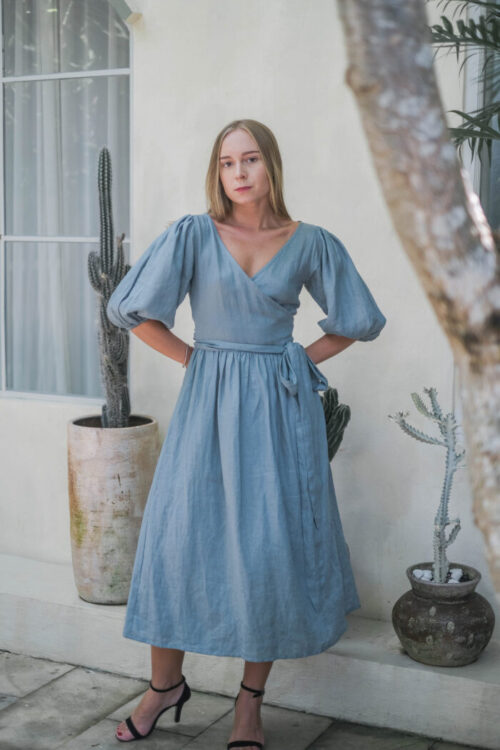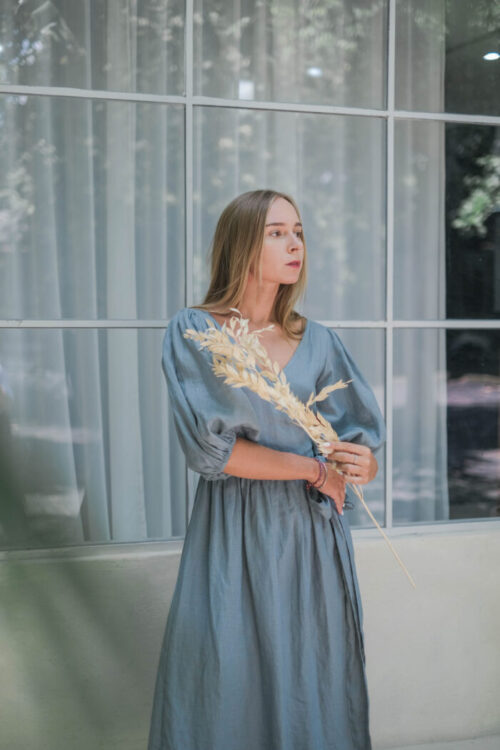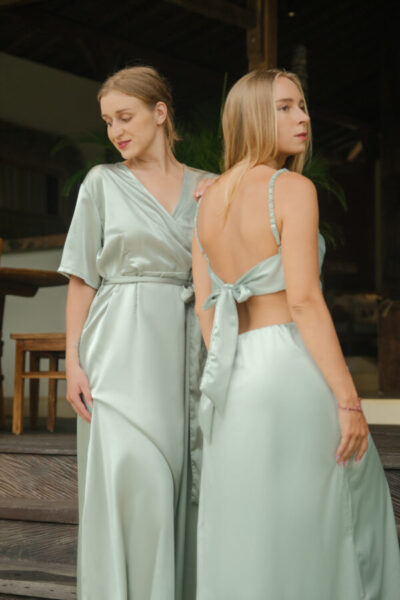
Bamboo cotton is a blended fabric that combines fibers derived from bamboo cellulose with traditional cotton fibers to create a textile that is exceptionally soft, breathable, and naturally comfortable. This blend was developed to enhance cotton’s familiarity and durability with bamboo’s smoothness, moisture management, and natural antibacterial properties. The result is a fabric that feels gentle on the skin, performs well in warm climates, and supports modern demands for sustainability and comfort.
Bamboo cotton has a clean, refined appearance with a soft matte surface and fluid hand feel. Unlike purely synthetic blends, it retains the natural, breathable qualities of plant-based fibers while offering a more luxurious touch than conventional cotton fabrics. This makes bamboo cotton particularly suitable for garments that are worn close to the skin, such as shirts, loungewear, active-inspired fashion, and sleepwear.
Fiber Composition and Fabric Structure
Bamboo cotton is produced by blending bamboo viscose or bamboo rayon fibers with cotton fibers, typically in ratios ranging from 30% bamboo / 70% cotton to 60% bamboo / 40% cotton. Higher bamboo content increases softness, drape, and moisture absorption, while higher cotton content improves durability and structure.
The fibers are blended during spinning and twisted into yarns before being woven or knitted. Bamboo cotton is commonly produced in jersey knits for casualwear and comfort garments, as well as in plain or twill weaves for shirts, dresses, and lightweight trousers.
Bamboo fibers are smooth and round, reducing surface friction and creating a fabric that feels noticeably softer and less irritating than traditional cotton, even for sensitive skin.
Comfort and Climate Performance
One of the defining qualities of bamboo cotton is its exceptional comfort, which comes from the natural performance characteristics of bamboo fibers combined with the familiarity and stability of cotton. Bamboo fibers are able to absorb and release moisture more efficiently than cotton alone, helping to regulate body temperature and keep the skin feeling dry even in warm or humid conditions. This moisture management reduces the sensation of dampness and heat buildup on the skin, making bamboo cotton particularly suitable for hot, tropical climates and for garments intended for active daily use.
In addition to its moisture-regulating properties, the bamboo cotton blend is highly breathable, lightweight, and naturally cool to the touch. The structure of the fibers allows heat to escape easily, promoting continuous airflow through the fabric while still maintaining enough body and drape to prevent the fabric from feeling clingy or flimsy on the skin. This balance between airflow, softness, and gentle structure makes bamboo cotton comfortable to wear throughout the day and into the night, whether used for casual clothing, loungewear, or sleepwear that requires both cooling performance and a soft, soothing hand feel.
Durability and Wear Performance
The combination of cotton and bamboo fibers creates a fabric that balances durability with softness, making it well suited for everyday wear. Cotton contributes strength, structure, and resistance to abrasion, allowing the fabric to withstand regular use, movement, and repeated washing without easily wearing thin or tearing. Bamboo fibers add flexibility and a smooth hand feel, preventing the fabric from feeling stiff or rough against the skin. Together, these qualities result in a textile that is durable enough for daily use while remaining gentle, comfortable, and pleasant to wear.
Over time, bamboo cotton continues to soften while maintaining its original shape and structural integrity, allowing garments to become increasingly comfortable without losing their form or performance. Unlike pure bamboo fabrics, which can be more delicate and prone to surface wear, the presence of cotton helps stabilize the fiber structure and reduce issues such as pilling or excessive fuzzing. This improved stability enhances the fabric’s longevity and appearance, ensuring that bamboo cotton garments retain their smooth surface, comfort, and functionality even after extended use and repeated laundering.
Fashion and Lifestyle Applications
Bamboo cotton is widely used across fashion and lifestyle products because of its softness, breathability, and gentle interaction with the skin. In apparel, it is commonly chosen for t-shirts, shirts, dresses, loungewear, underwear, sleepwear, and baby clothing, where comfort and skin-friendliness are essential. The fabric’s smooth surface and cooling sensation make it especially suitable for garments worn directly against the body, while its balanced structure allows it to hold its shape well in both casual and slightly more refined designs. This versatility makes bamboo cotton a popular choice for everyday wear that prioritizes comfort without sacrificing appearance.
Beyond clothing, bamboo cotton is also widely applied in bedding, towels, and other home textiles where softness, breathability, and hygiene are key considerations. Its ability to manage moisture and promote airflow helps create a fresher, more comfortable environment for sleeping and daily use, while its gentle feel makes it pleasant for prolonged contact with the skin. These qualities position bamboo cotton as a preferred material for lifestyle products that aim to enhance comfort, well-being, and overall user experience in both personal and home settings.
Care and Maintenance
Bamboo cotton should be washed in cold or lukewarm water using a mild detergent to help preserve the natural softness of the bamboo fibers and the strength of the cotton component. A gentle machine cycle or hand washing is recommended, as excessive agitation can weaken the fibers and gradually reduce the fabric’s smooth surface. It is best to avoid bleach, strong stain removers, and harsh chemicals, since these can damage the fibers, cause fading, or make the fabric feel rough over time.
For drying, air drying is the preferred method because it helps maintain the fabric’s shape and softness, although tumble drying on low heat may be used when necessary. High heat should be avoided, as it can lead to shrinkage or fiber damage. When ironing is needed, it should be done at low to medium heat to smooth the fabric without flattening its natural texture. With proper care, bamboo cotton will continue to feel soft, retain its shape, and maintain its color vibrancy, ensuring the fabric remains comfortable and visually appealing even after repeated wear and washing.
Bamboo cotton represents a thoughtful blend of softness, breathability, durability, and sustainability. It offers a fabric that is gentle on the skin, beautiful in appearance, and responsible in production. It is an ideal choice for fashion and lifestyle brands seeking comfort-driven, eco-conscious textiles with premium appeal