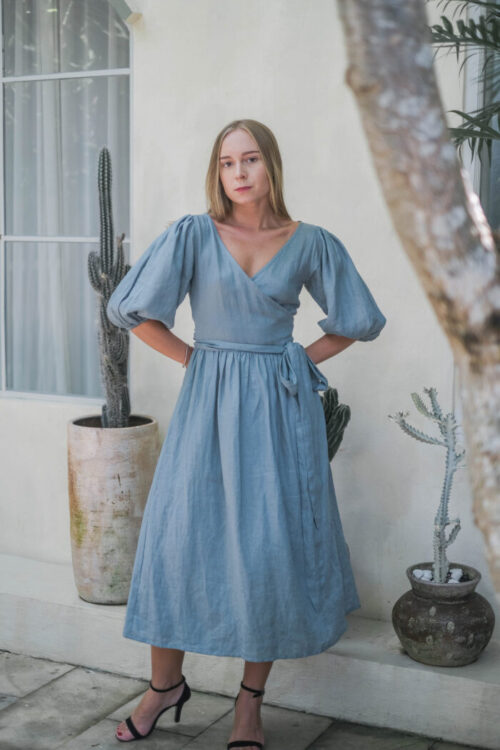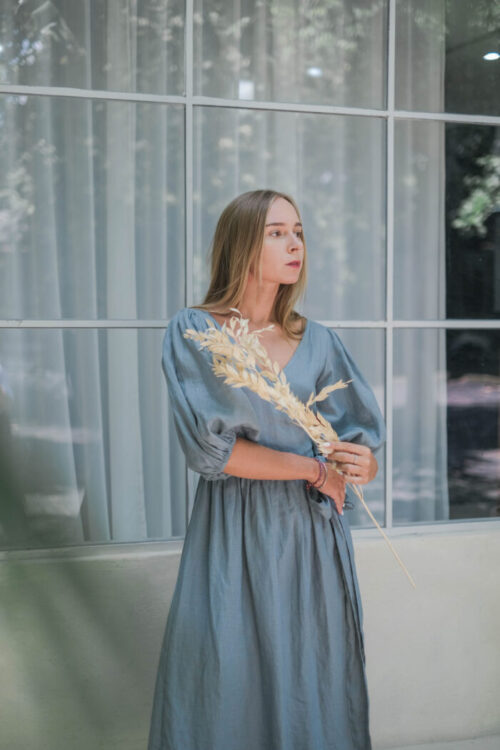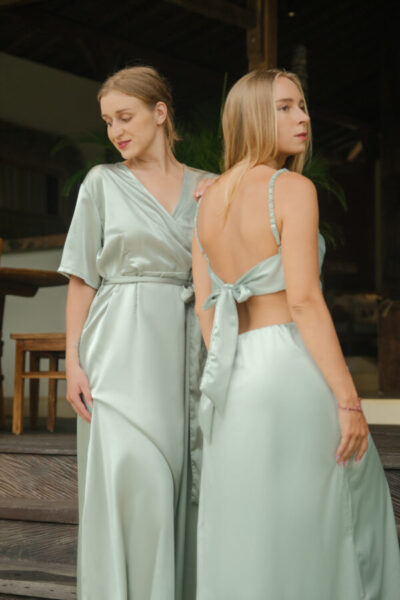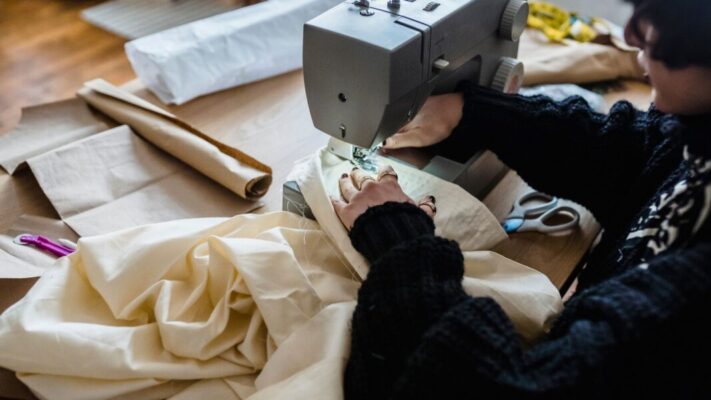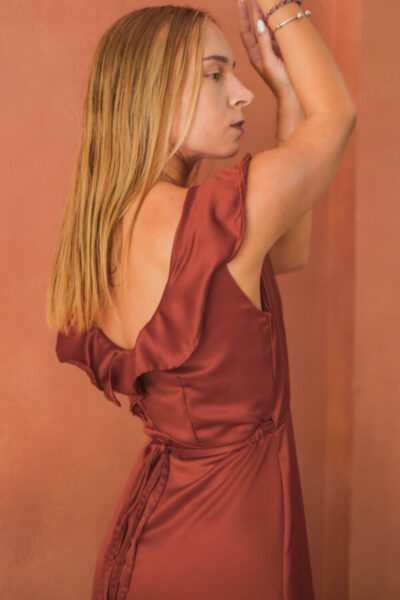
Chiffon is a lightweight, sheer, and plain-woven fabric known for its soft, flowing drape and slightly rough texture. Traditionally made from silk, modern chiffon is often produced from polyester, nylon, or blends with spandex. The fabric is semi-transparent, delicate, and airy, giving it an elegant, ethereal appearance. Its name comes from the French word “chiffon,” meaning a small piece of cloth, reflecting its light, gauzy nature.
Chiffon originated in France in the early 18th–19th centuries, initially woven from silk. It was prized for its lightweight, airy elegance and became popular in high-fashion garments for women, especially evening wear and accessories. With the rise of synthetic fibers in the 20th century, polyester and nylon chiffon were introduced, making chiffon more affordable and widely accessible.
Silk chiffon remained a symbol of luxury and high fashion, while synthetic chiffon allowed for mass production, brighter colors, and easy care, leading to its widespread use in dresses, scarves, and home décor. Today, chiffon is a staple in both bridal, evening, and casual fashion, as well as in lightweight decorative fabrics.
Key Characteristics of Chiffon Fabric
Chiffon is a lightweight and sheer fabric that allows air to flow easily, creating a soft, floating, and elegant drape ideal for layered and flowing garments. It is made using a plain weave with tightly twisted yarns that produce a slightly puckered texture and a subtle roughness, helping prevent the fabric from clinging to the body. Chiffon is semi-transparent and often requires lining or layering in clothing, and while it feels soft and delicate against the skin, it needs gentle handling due to its fine structure. It can be made from various fibers such as silk, polyester, nylon, or blended with elastane to add stretch and flexibility, making chiffon adaptable to a wide range of fashion applications.
Best Uses of Chiffon
Chiffon is primarily used in garments and accessories that benefit from its lightweight, flowing, and elegant qualities. It is a favorite for evening gowns, cocktail dresses, bridal wear, and formal dresses, where its delicate drape creates graceful movement. Chiffon is also used for blouses, tunics, skirts, and scarves, especially in summer clothing due to its breathability. In addition, it is widely used in home décor, such as sheer curtains, drapes, and decorative overlays, where its airy transparency softens lighting and adds elegance. Accessories like shawls, veils, and wraps also frequently use chiffon for a light, flowing effect. Chiffon is even incorporated in layered designs, ruffles, and overlays to create visual texture without adding weight.
Variations of Chiffon
Chiffon is available in several variations to suit different fashion and functional needs, including silk chiffon, which is soft, luxurious, and commonly used in high-end and couture garments; polyester chiffon, a more affordable, durable, and easy-care option; and stretch chiffon, which blends polyester or nylon with spandex to add flexibility for more form-fitting designs. Chiffon also comes in printed versions featuring floral, geometric, or abstract patterns for added visual appeal, as well as crêpe chiffon, which has a slightly textured surface that creates extra depth and interest while maintaining the fabric’s lightweight and flowing qualities.
Chiffon’s advantages lie in its lightweight, flowing, and elegant qualities. It is highly breathable, making it ideal for warm-weather clothing. Its delicate semi-sheer texture allows for layering and creative design, such as ruffles, draping, and overlays. Despite being lightweight, chiffon is versatile and durable when handled carefully, and synthetic versions add improved strength and easy care. Its natural drape enhances garment aesthetics, creating graceful silhouettes. Chiffon can also be dyed in vibrant colors, making it popular in fashion and formalwear. Furthermore, chiffon’s soft, airy feel makes it comfortable against the skin, ideal for summer clothing, scarves, and lightweight home textiles.
Often combined with lining fabrics or blended with spandex for stretch, creating modern casual and formal wear. Chiffon remains a symbol of elegance, femininity, and sophistication, commonly seen in designer collections and luxury brands.
Unique Features of Chiffon Fabric
Chiffon is a lightweight, breathable, and semi-sheer fabric with a soft yet slightly textured surface that helps prevent it from clinging to the body, making it exceptionally comfortable to wear. It offers an elegant, fluid drape that is ideal for flowing and layered designs, which is why chiffon is widely used in high-fashion, bridal wear, and decorative applications. Available in silk, polyester, nylon, and blended variations, chiffon can be tailored to suit different budgets, aesthetics, and performance requirements while maintaining its signature airy and graceful appearance.
Care, Maintenance, and Modern Uses of Chiffon
Chiffon should be hand washed or cleaned on a delicate machine cycle using cold water and mild detergent, then air dried without wringing to avoid wrinkles and fiber damage; ironing should be done on low heat or with steam, and for silk chiffon a pressing cloth is recommended, while extra care should be taken to avoid snags, tears, and contact with rough surfaces due to its delicate weave. In modern fashion, chiffon is especially popular for bridal gowns, prom dresses, and evening wear because of its luxurious drape, and is also widely used in layered skirts, ruffled blouses, scarves, and shawls to add lightness, movement, and texture to contemporary designs.