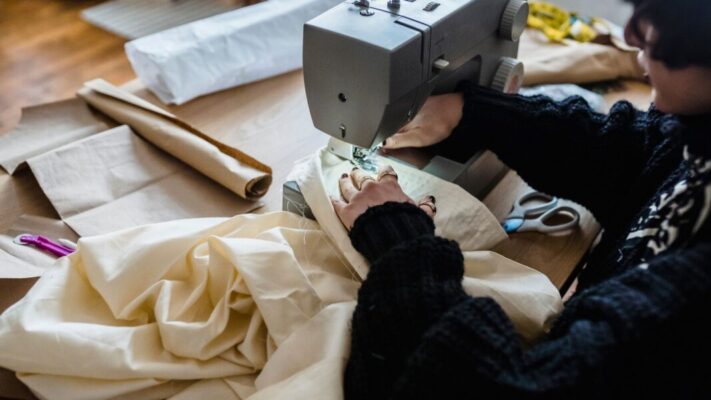
Cotton jersey fabric is a soft, stretchy, and lightweight textile made primarily from cotton fibers using a knitting technique called jersey knit. Unlike woven cotton, which has a crisscross structure, jersey fabric is knitted in a way that produces loops of yarn, giving the fabric its characteristic elasticity and smooth texture on one side with a slightly textured or “crosseyed” back. Cotton jersey combines the natural qualities of cotton softness, breathability, and moisture absorption with the flexibility and stretch of a knitted structure. This makes it ideal for garments that require comfort, ease of movement, and casual wear. It is widely used for T-shirts, dresses, loungewear, and activewear.
Jersey knitting originated in the Channel Island of Jersey, England, in the Middle Ages. Initially, the fabric was made from wool for fishermen’s clothing because it was lightweight, warm, and could stretch to fit the body. Over time, cotton became the preferred fiber due to its comfort, breathability, and versatility. Cotton jersey gained prominence in the 19th and 20th centuries as mass textile production developed, making it affordable and widely available. Its popularity skyrocketed with the rise of casual clothing, especially T-shirts, which became everyday wear by the early 20th century. Cotton jersey remains a staple in modern wardrobes due to its combination of comfort, durability, and ease of care.
Key Characteristics of Jersey Knit Fabric
Jersey knit fabric is soft and comfortable against the skin with a smooth front surface and a slightly textured back, naturally stretchy because of its knitted loop structure, breathable and moisture-absorbing for all-day comfort, lightweight and flexible to allow easy movement, available in weights ranging from light jersey for T-shirts to medium or heavier versions for sweatshirts, and when properly cared for it is durable and resistant to wrinkling and shrinking, making it one of the most popular fabrics for casual and everyday wear.
Uses of Cotton Jersey Fabric
Cotton jersey is an extremely versatile fabric widely used in clothing and home textiles, including casual wear such as T-shirts, tops, tunics, and dresses; loungewear like pajamas, sweatshirts, and hoodies; activewear such as yoga tops, stretch leggings, and sports tees; baby clothing including onesies and soft infant apparel because of its gentle touch; undergarments made from lightweight, breathable jersey for everyday comfort; and even home textiles like pillowcases, lightweight blankets, and stretchy bedding covers.
Key Variations of Jersey Fabric
Jersey fabric comes in several variations, including single jersey, which is lightweight with a smooth front and textured back and is most commonly used for T-shirts; interlock jersey, a thicker double-knit version that is smooth on both sides and suitable for dresses and sweatshirts; ribbed jersey, characterized by vertical rib patterns that provide extra stretch and recovery and are often used for cuffs and collars; stretch jersey, which blends cotton with elastane or spandex for improved flexibility and fit; and organic cotton jersey, made from organically grown cotton for more environmentally friendly and hypoallergenic clothing options.
Unique Features
Cotton jersey fabric is unique because it combines the natural softness and breathability of cotton with the stretch and flexibility of a knit fabric. Unlike woven cotton, which has limited stretch unless combined with elastane, jersey fabric can naturally conform to body movements, making it comfortable for active and casual wear. Its smooth front surface allows for printing, embroidery, and fashion designs, while the looped back provides insulation and stretch. Cotton jersey is also highly versatile in terms of weight and finish, enabling designers to produce everything from delicate T-shirts to thicker sweatshirts.
Modern Fashion and Trends
Cotton jersey remains a cornerstone of casual, streetwear, and sustainable fashion. T-shirts, dresses, and sweatshirts made from cotton jersey are widely used in athleisure and loungewear, reflecting both comfort and style. Modern trends emphasize organic cotton jersey and blends with elastane or recycled fibers to meet sustainable and performance-oriented demands. Designers also experiment with prints, tie-dye, and textured finishes to create contemporary, fashion-forward pieces. Cotton jersey’s combination of softness, stretch, and durability ensures it continues to be a favorite in everyday wear and modern wardrobes.
Care and Maintenance of Cotton Jersey Fabric
Jersey fabric should be machine washed in cold or warm water using mild detergents to preserve color and fiber quality, while high heat during washing or drying should be avoided to prevent shrinkage or damage; it is best to tumble dry on low heat or air-dry for longer fabric life, iron only on low heat if necessary, and store garments folded or gently rolled rather than hung to prevent stretching and distortion of shape.
Cotton jersey fabric is celebrated for its comfort, versatility, and practicality. Its combination of soft cotton fibers and stretchable knit structure makes it ideal for casual wear, activewear, baby clothing, and home textiles. With its long history, adaptability to fashion trends, and ease of care, cotton jersey remains a vital and enduring textile in both everyday and high-fashion applications.