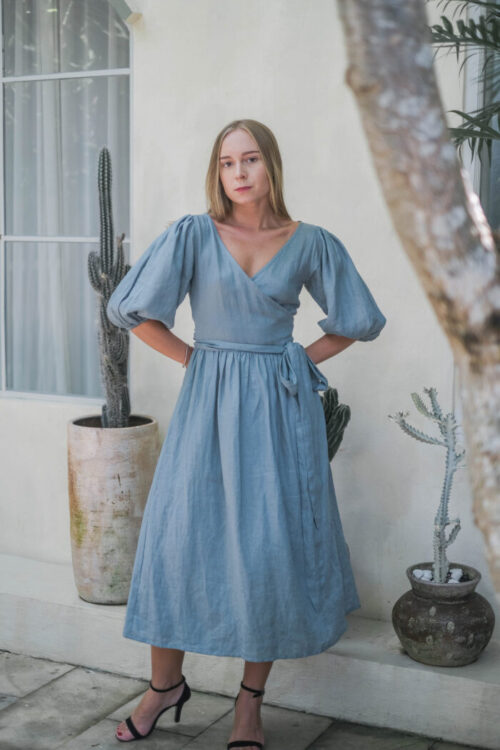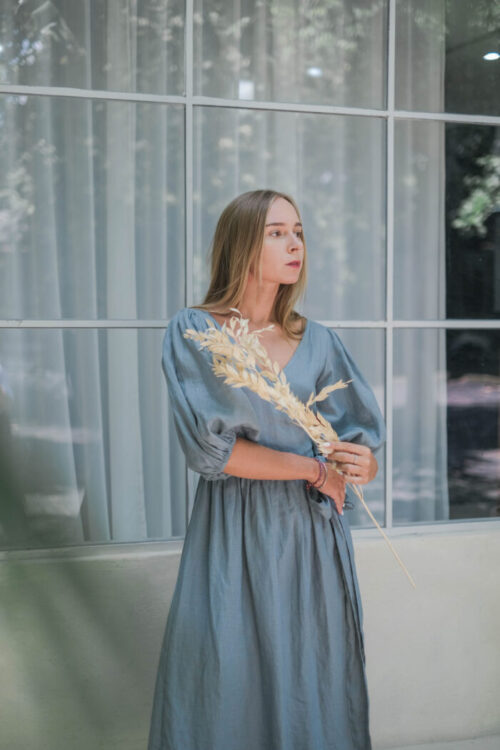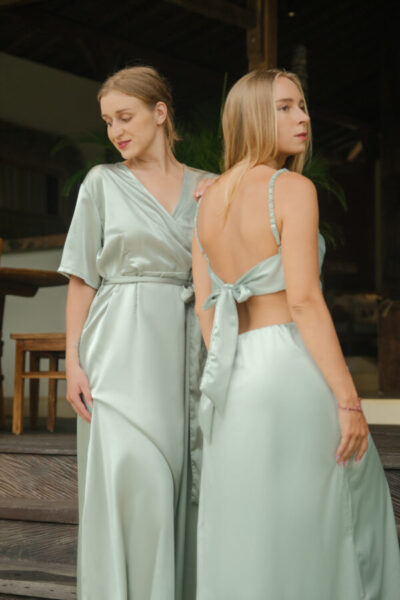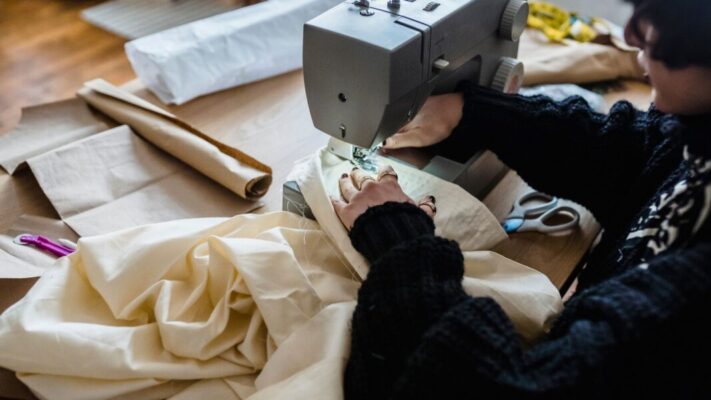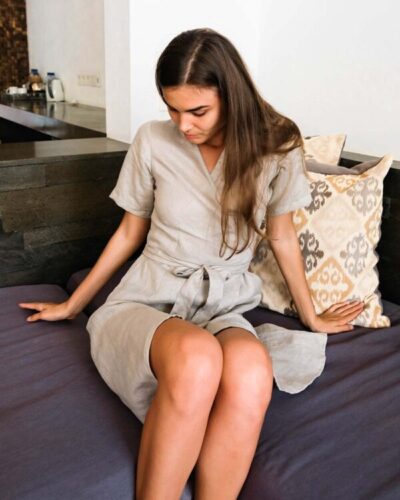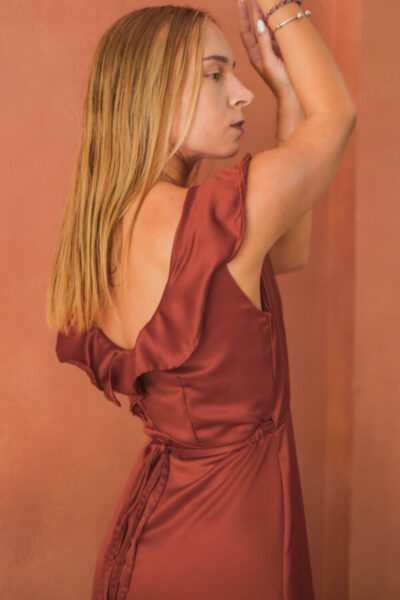
Cotton poplin is a tightly woven fabric made from cotton fibers using a plain weave structure, which produces a smooth, crisp, and durable surface. It is characterized by a fine horizontal rib created by the thicker filling yarns, giving it a subtle texture and slight luster. Cotton poplin is lightweight to medium-weight, breathable, and strong. Its smooth finish allows for sharp tailoring and clean lines. Cotton poplin combines elegance, practicality, and versatility, making it a staple in both fashion and home textiles.
Poplin fabric originated in France, with early records dating back to the 15th century, where it was originally made from silk in Lyon. The name “poplin” is believed to be derived from the French word “papeline,” linked to the papal influence in Avignon, where the fabric was used for ceremonial garments. By the 19th century, cotton and cotton blends became the most common base for poplin, making it more affordable and widely available.
Cotton poplin became particularly popular in England and the United States for its smooth texture, durability, and suitability for fine shirting and uniform applications. Over time, cotton poplin became a fashion favorite due to its crisp drape, versatility, and ease of care, and it remains widely used in contemporary clothing and home textiles.
Key Characteristics of Cotton Poplin Fabric
Cotton poplin is a smooth, crisp fabric ranging from lightweight to medium weight with a fine horizontal rib texture created by its tight plain weave, making it strong, durable, and breathable while effectively absorbing moisture and remaining comfortable in warm climates; it has a slight sheen and a structured drape that supports sharp tailoring, gradually softens with repeated washing without losing its strength, and is more wrinkle-resistant than linen though slightly less so than heavier cotton fabrics.
Uses of Cotton Poplin Fabric
Cotton poplin is a highly versatile fabric used in both apparel and home textiles, including shirts and blouses for formal, casual, and office wear because of its crisp finish, dresses and skirts for warm-weather comfort, children’s clothing for its softness and durability, uniforms in schools, hospitality, and professional settings for easy care and long wear, as well as home textiles like pillowcases, bed sheets, lightweight curtains, and table linens, and it is also popular for tailored garments such as jackets, tunics, and blazers where structure and a clean, sharp appearance are desired.
Key Variations of Cotton Poplin Fabric
Cotton poplin comes in several variations, including 100% cotton poplin for classic breathability and comfort, cotton–polyester poplin for improved durability, wrinkle resistance, and easier care, printed poplin with patterns applied through digital, screen, or rotary printing, stretch poplin blended with elastane or spandex for added flexibility and comfort, and luxury poplin made from very fine, tightly woven cotton for high-end shirting and premium fashion applications.
Unique Features
Cotton poplin is unique because it combines strength, smoothness, and lightweight comfort in a single fabric. It has a fine rib structure that allows for sharp tailoring, clean lines, and a slightly lustrous appearance. Its combination of durability, crispness, and breathability makes it ideal for formal shirts, uniforms, and summer garments. Its ability to hold prints, dyes, and embroidery designs further distinguishes it from other cotton fabrics.
Modern Fashion and Trends
In contemporary fashion, cotton poplin is widely used for office shirts, summer dresses, children’s clothing, and tailored garments. Modern trends also emphasize printed poplin with florals, geometric patterns, and stripes. Sustainability has influenced production with organic cotton poplin becoming popular for eco-conscious fashion. Cotton poplin’s versatility ensures it is used across casual, formal, and semi-formal collections, making it a timeless fabric in both fashion and lifestyle products.
Care and Maintenance of Cotton Poplin Fabric
Cotton poplin should be machine washed in cold or warm water with mild detergent to protect the fibers and preserve color, tumble dried on low heat or air-dried for best results, ironed on medium heat to maintain its crisp appearance, and kept away from bleach or harsh chemicals that can weaken the fabric; for storage, garments can be folded neatly or hung on hangers to help maintain shape and prevent excessive creasing.