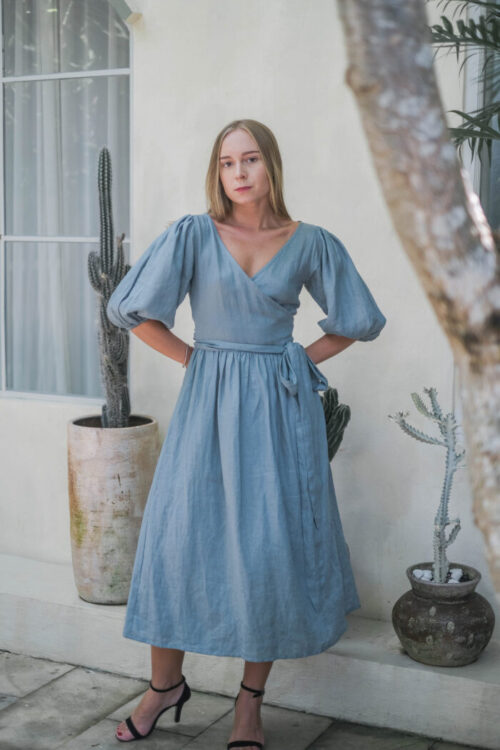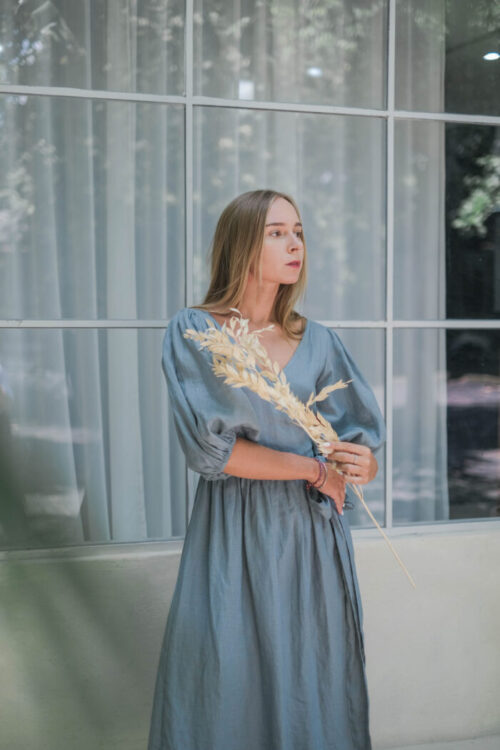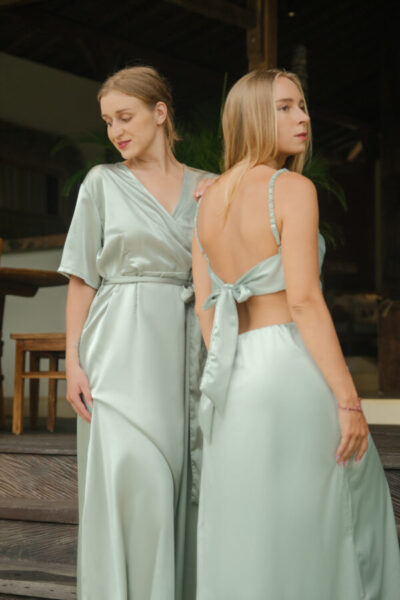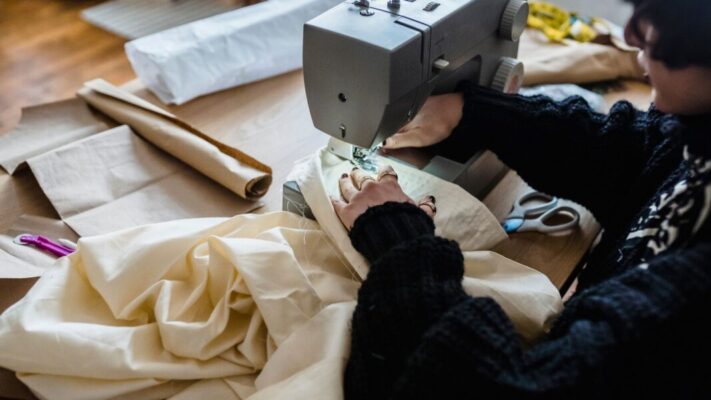
Crepe is a textured fabric characterized by a crinkled, pebbled, or grainy surface, produced through special weaving or twisting techniques. It can be made from natural fibers such as silk, wool, or cotton, or synthetic fibers like polyester, nylon, and rayon. The distinctive crinkled texture is achieved either by highly twisted yarns (in the case of crepe yarn) or by specific weaving methods, such as plain, satin, or leno weaves, which create a slightly puckered or uneven surface. Crepe is known for its soft drape, elasticity, and elegant appearance, making it a versatile choice for both apparel and home textiles. Its name comes from the French word “crêpe,” meaning “curled” or “wrinkled,” which directly refers to the fabric’s textured surface.
Crepe has a long and varied history, originating in Europe and Asia centuries ago. Early forms of crepe were often made from silk and used in funerary garments, ceremonial attire, and high-end clothing due to their elegant texture.
17th–18th Century Europe: Crepe gained popularity in France and England as a luxurious silk fabric with a crinkled texture, used for evening gowns, shawls, and high-society attire.
19th Century Victorian Era: Black crepe became strongly associated with mourning attire, particularly in Britain, where it symbolized solemnity and refinement. Crepe dresses, scarves, and veils were commonly worn during periods of mourning.
20th Century: The invention of synthetic fibers like polyester and rayon allowed crepe to be mass-produced, making it more affordable and accessible. Innovations in weaving and yarn twisting also expanded crepe into daily wear, office attire, and fashion collections.
Modern Era: Crepe is now available in silk crepe, wool crepe, polyester crepe, georgette crepe, and stretch crepe, catering to casual, formal, and high-fashion uses. Its popularity in designer collections remains strong because of its elegance, versatility, and flattering drape.
Key Characteristics of Crepe Fabric
Crepe fabric is defined by its distinctive crinkled or pebbled surface, which gives it a unique tactile feel and subtle visual depth, while still maintaining a soft, fluid drape that follows the body gracefully. The use of highly twisted yarns creates a natural elasticity that provides comfort and flexibility without requiring spandex, and depending on its fiber content and weight, crepe can range from fully opaque (such as wool crepe) to semi-sheer (such as silk or chiffon crepe). Its textured surface also helps disguise minor wrinkles, giving garments a neat appearance even after extended wear, and the fabric is generally durable and resistant to abrasion, especially when made from wool or synthetic fibers.
Best Uses of Crepe Fabric
Crepe fabric is widely used in fashion, formalwear, and home textiles due to its unique texture, drape, and versatility. In apparel, crepe is commonly found in dresses, skirts, blouses, and trousers, where its flowing nature enhances silhouette and movement. It is a favorite for evening gowns, cocktail dresses, and bridal wear, providing sophistication and elegance without appearing stiff or heavy. Wool crepe is frequently used in suits, jackets, and formal trousers, combining structure with subtle texture. Lightweight crepes, such as silk crepe or polyester crepe, are often layered or used for scarves, shawls, and flowing tunics, offering softness and breathability. Crepe is also employed in home décor, including drapery, cushion covers, and lightweight upholstery, where the textured surface adds visual interest. Its ability to disguise wrinkles and maintain a polished appearance makes it ideal for travel clothing and professional attire, where both comfort and aesthetics are essential.
Variations of Crepe Fabric
Crepe fabric comes in a wide range of variations depending on fiber content and construction, including silk crepe, which is luxurious, smooth, and fluid for high-end eveningwear and bridal garments; wool crepe, which is heavier, opaque, and structured for suits, jackets, and formal trousers; polyester crepe, which is affordable, durable, and easy to care for in everyday and office clothing; georgette crepe, a lightweight and semi-sheer type ideal for layered or flowing dresses; stretch crepe, blended with elastane to allow body-hugging silhouettes without sacrificing comfort; and crêpe de chine, a fine, lightweight silk crepe with a soft luster commonly used for blouses and scarves.
Advantages of Crepe Fabric
Crepe is valued for its combination of texture, drape, and resilience. Its crinkled surface disguises wrinkles, making garments look neat even after long periods of wear. Crepe flows beautifully, allowing for elegant, body-flattering silhouettes that move naturally with the wearer. The fabric’s inherent elasticity and soft texture provide comfort and flexibility, while heavier variations like wool crepe offer structure and durability for tailored clothing. Crepe is also versatile across seasons: lightweight silk or polyester crepe is ideal for warm weather, while wool crepe works well in cooler climates. Furthermore, crepe can be dyed in vibrant colors or printed with intricate designs, making it a favorite in fashion, formalwear, and decorative textiles. Its durability, wrinkle resistance, and visual appeal make it a fabric that balances functionality and luxury.
Modern Fashion and Trends
Crepe continues to be highly favored in modern fashion for its versatility and elegance. Designers use crepe in body-hugging evening gowns, flowing day dresses, blouses, tailored suits, and layered skirts. Lightweight crepes are popular in summer and resort wear, while wool crepes dominate office attire and formal wear. Crepe is also frequently combined with linings, lace, chiffon, or silk for layered, textured designs. Its adaptability to both casual and formal clothing, along with its ability to maintain shape and appearance, ensures that crepe remains a staple in both designer and ready-to-wear collections worldwide.
Care and Maintenance of Crepe Fabric
Crepe fabric should be washed according to its fiber content, with silk and delicate crepes best hand-washed or dry-cleaned, while polyester crepes can usually be machine washed on a gentle cycle; it should be air-dried flat or on a hanger and never wrung to preserve its texture, ironed on low heat with a pressing cloth especially for silk varieties, and handled carefully to avoid snagging or pulling because of its slightly puckered surface, even though the texture naturally helps disguise minor wrinkles.