Hemp Jersey is a knit fabric that combines the natural strength and sustainability of hemp fibers with the softness and flexibility of jersey construction. Unlike woven textiles, jersey fabrics are produced using a looping knit technique that creates a naturally elastic, smooth, and flexible surface. This knit structure allows the fabric to stretch gently with the body, offering superior comfort and ease of movement compared to rigid woven fabrics.
When hemp fibers are introduced into this structure, the result is a textile that balances comfort with durability. Hemp jersey feels soft and pleasant against the skin, yet it is noticeably stronger and more breathable than conventional cotton jersey. The fabric has a relaxed drape, a matte and natural appearance, and a subtle organic texture that reflects its plant-based origin. These qualities make hemp jersey highly suitable for everyday apparel, lifestyle collections, and sustainable fashion lines.
In addition to its aesthetic appeal, hemp jersey is valued for its performance. It allows air to circulate easily, helping regulate body temperature in both warm and cool conditions. The fibers absorb and release moisture efficiently, keeping the wearer dry and comfortable throughout the day. This makes hemp jersey particularly well suited for garments that are worn close to the skin and for extended periods.
Fiber Composition and Material Structure
Hemp jersey is most commonly produced from a blend of hemp fibers with cotton, viscose, or sometimes modal or elastane. Pure hemp fibers are naturally strong but can feel coarse when used alone, so blending them with softer fibers improves the hand feel while preserving hemp’s performance benefits.
Hemp contributes strength, breathability, moisture management, and natural resistance to bacteria and odors. Cotton and viscose add softness, smoothness, and enhanced drape, making the fabric more pleasant for daily wear. When elastane is included in small percentages, it improves stretch recovery and shape retention, ensuring garments keep their form after repeated use.
The jersey knit structure is created by interlocking loops of yarn rather than crossing threads over and under one another as in woven fabrics. This looping construction gives the fabric its characteristic softness, elasticity, and fluid movement. It also allows the fabric to adapt to the body’s shape, making it ideal for relaxed, casual, and body-friendly designs.
Performance Characteristics
Hemp jersey offers a combination of functional and aesthetic properties that distinguish it from standard knit fabrics. The fabric is highly breathable and thermoregulating, allowing heat to escape in warm conditions while still offering light insulation when temperatures drop. This makes it comfortable across a wide range of climates.
Moisture management is another key benefit. Hemp fibers are naturally absorbent and quick-drying, allowing the fabric to wick moisture away from the skin and release it into the air. This reduces the feeling of dampness and improves comfort, particularly in warm or humid environments.
The fabric also possesses natural antibacterial and odor-resistant properties. This means garments stay fresher for longer periods between washes, which not only improves hygiene and comfort but also reduces water and energy consumption over time.
Despite its softness, hemp jersey is more durable than most conventional jersey fabrics. The strength of hemp fibers increases the fabric’s resistance to tearing, pilling, and wear, extending the garment’s lifespan. Over time and with repeated washing, hemp jersey becomes even softer while maintaining its structural integrity.
Applications in Fashion and Lifestyle
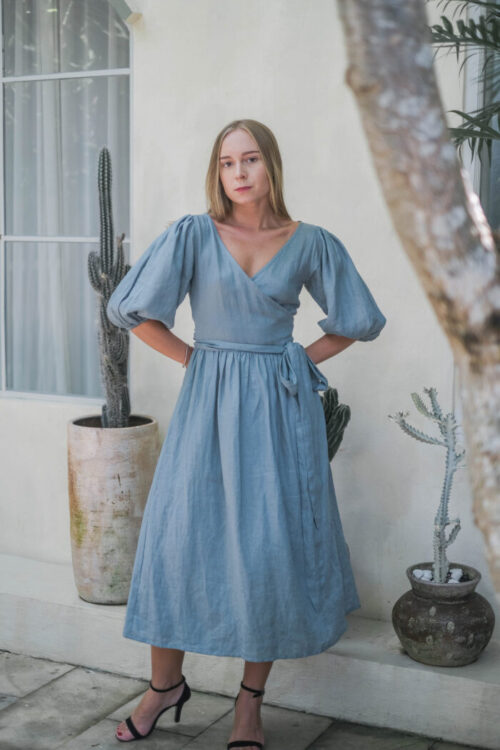
Hemp jersey is widely used in T-shirts, tops, and casual dresses because of its comfort and breathability. It is also popular for loungewear, sleepwear, and athleisure-inspired garments that require softness, flexibility, and moisture control.
In baby and children’s clothing, hemp jersey is valued for being gentle on sensitive skin while remaining durable enough to withstand frequent washing. In sustainable fashion, it serves as a signature fabric for brands that emphasize environmental responsibility, natural materials, and long-lasting quality.
Beyond apparel, hemp jersey is also used for lightweight accessories, soft scarves, and casual home textiles where comfort and breathability are desired.
Care and Maintenance
Hemp jersey is relatively easy to care for, but gentle handling will preserve its quality over time. Washing in cold water with mild detergent is recommended to maintain softness and prevent fiber damage. High heat should be avoided, as it can cause shrinkage and weaken natural fibers. Air drying or low-temperature tumble drying is preferred, and ironing should be done on low heat if necessary.
With proper care, hemp jersey garments will maintain their shape, comfort, and appearance while becoming increasingly soft and pleasant with use.
Hemp jersey represents a thoughtful blend of comfort, performance, and sustainability. It combines the softness and flexibility of knit fabrics with the strength, breathability, and ecological advantages of hemp fibers. The result is a versatile textile that supports both modern lifestyle needs and responsible production practices.
As consumers and brands increasingly seek materials that offer more than just aesthetics, hemp jersey stands out as a fabric that delivers comfort, durability, environmental responsibility, and timeless natural beauty in equal measure.