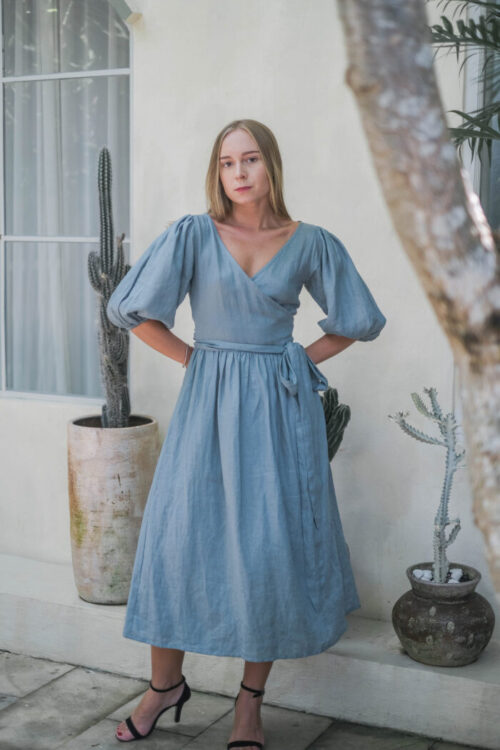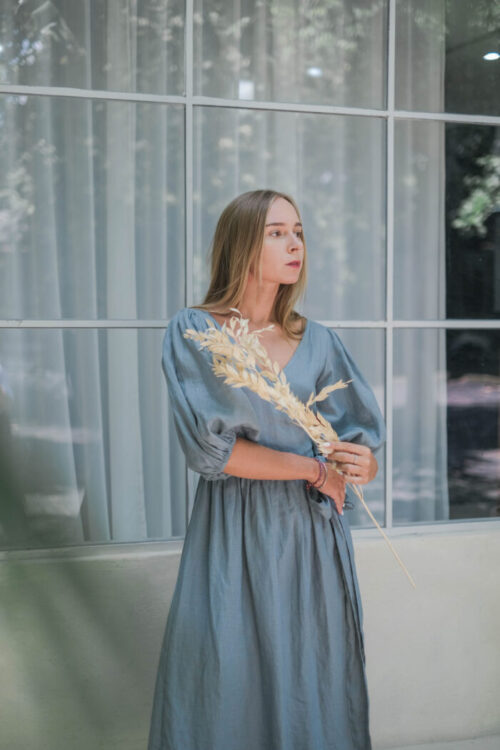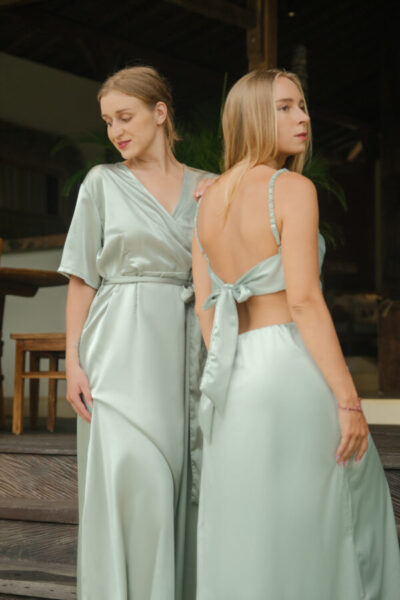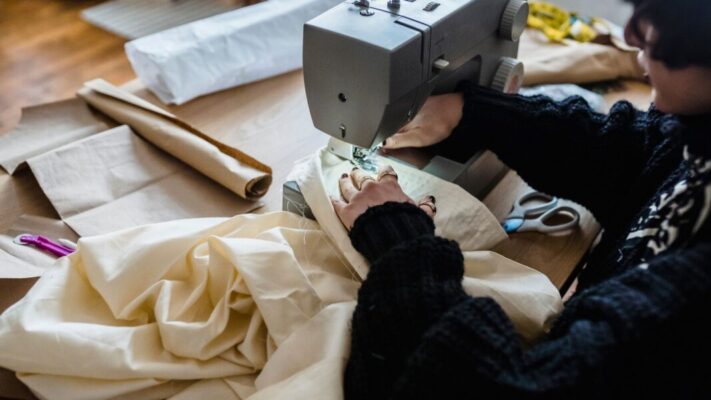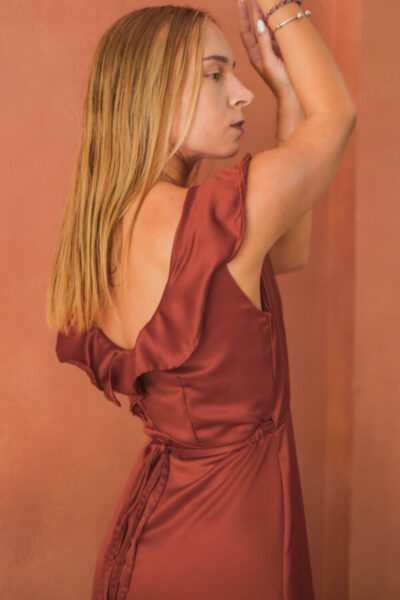
Microfiber Satin is a smooth, lustrous fabric made from ultrafine synthetic fibers, typically polyester or nylon, woven to achieve the signature satin weave that creates a shiny, reflective surface. The microfiber component refers to fibers that are much finer than traditional synthetic yarns, which allows the fabric to feel exceptionally soft, lightweight, and silky to the touch. The satin weave produces a glossy front surface with a matte back, giving the fabric a luxurious, elegant appearance reminiscent of silk satin.
The combination of microfiber and satin weaving results in a fabric that is both visually striking and highly wearable. It offers a smooth, flowing drape that enhances the fit and fall of garments while remaining durable and resistant to wrinkling. Unlike natural satin fabrics, microfiber satin is more affordable, easy to maintain, and adaptable for various applications, making it a preferred choice for both fashion and home textiles.
Satin has been a luxury fabric for centuries, originally woven from silk and associated with elegance, formal wear, and ceremonial garments. It’s smooth, shiny surface and rich appearance made it a symbol of status and refinement. Over time, satin weaving techniques were adapted to include synthetic fibers, providing a more affordable alternative to silk while retaining a polished finish.
Microfiber fabrics were developed in the 20th century to create ultrafine synthetic fibers that could mimic the softness and sheen of natural fibers. The combination of microfiber and satin weaving resulted in Microfiber Satin a fabric that preserved the luxurious hand feel of traditional satin while introducing greater durability, stretch, and versatility. Its introduction coincided with fashion’s demand for fabrics that could balance style, comfort, and practical care.
Key Characteristics
Microfiber Satin is distinguished by its smooth, shiny surface and soft, silky hand feel. The ultrafine fibers create a densely woven fabric that drapes fluidly and moves gracefully with the body. The satin weave enhances the reflective qualities of the fabric, giving garments a polished and sophisticated look that is ideal for eveningwear or elegant daywear.
In addition to its aesthetic appeal, Microfiber Satin is lightweight, breathable, and resistant to wrinkles, pilling, and stretching. The fabric is also durable, able to withstand regular wear without losing its shape or sheen. Its smooth surface allows it to glide comfortably against the skin, making it particularly suitable for garments that prioritize both elegance and comfort.
Best Uses Of Microfiber Satin
Microfiber Satin is widely used in fashion apparel where a glossy, luxurious finish is desired. It is commonly applied in dresses, blouses, skirts, evening gowns, lingerie, and nightwear. Its soft hand feel and fluid drape make it ideal for garments with flowing silhouettes, pleats, and fitted designs that require a polished, smooth surface.
Beyond apparel, Microfiber Satin is also popular in home textiles such as bed linens, pillowcases, drapes, and decorative items. Its reflective surface and smooth texture lend a sense of luxury to interiors while being easy to maintain. Designers appreciate its versatility and affordability compared to silk satin, making it a go-to fabric for both fashion and lifestyle products.
Key Variations
Microfiber satin is available in a range of variations depending on fiber type, weave, and finishing, with options made from polyester, nylon, or polyester-blend microfiber to achieve different performance and hand feel. Fabric weight can range from lightweight styles suitable for blouses to heavier versions designed for eveningwear and formal garments. The intensity of the satin weave varies from high-sheen and semi-lustrous finishes to more matte appearances, while stretch options include standard microfiber satin or blends with spandex for added elasticity. Microfiber satin is offered in solid colors, printed designs, and digitally patterned styles, and may feature surface treatments such as anti-wrinkle finishes, soft-touch coatings, or sand-washed textures for enhanced comfort and durability.
Advantages
Microfiber Satin combines elegance, softness, and practicality, making it highly versatile. Its smooth surface and flowing drape create a polished, high-end appearance without the cost of silk. The ultrafine fibers also contribute to lightweight comfort, allowing garments to feel luxurious while remaining breathable.
Another significant advantage is the durability and ease of maintenance. Microfiber Satin resists wrinkling, fading, and pilling, ensuring that garments retain their aesthetic quality over time. Its softness, stretch potential, and color retention make it ideal for everyday wear, special occasions, and home textile applications.
Unique Features
Microfiber Satin stands out for its combination of smoothness, sheen, and strength. Unlike natural satin fabrics that may be delicate, it can withstand repeated washing, handling, and wear without losing luster. The fabric’s fine fibers allow for a silky texture that mimics luxury materials while being more practical for contemporary use.
Another unique feature is its versatility across fashion and lifestyle sectors. From evening gowns to bed linens, Microfiber Satin is adaptable, providing both visual elegance and comfort. Its reflective surface, flowing drape, and soft hand feel make it suitable for designs where tactile and visual quality are equally important.
Modern Fashion Trend
In modern fashion, Microfiber Satin is trending in collections emphasizing fluid silhouettes, minimalism, and comfort-driven elegance. It is often used in eveningwear, slip dresses, coordinated sets, and stylish separates that combine luxury aesthetics with ease of wear. Designers favor the fabric for its ability to elevate simple shapes into polished, statement garments.
The fabric also aligns with current consumer preferences for practical luxury. Its lightweight softness, wrinkle resistance, and reflective finish make it suitable for travel-friendly wardrobes, daily wear, and special occasions alike. Microfiber Satin continues to be a preferred choice for those seeking affordable sophistication with modern performance.
Care and Maintenance
Microfiber satin should be washed gently in cold or lukewarm water using a mild detergent formulated for delicate fabrics, while bleach and harsh chemicals should be avoided to protect the fibers and sheen. Do not wring or twist the fabric; instead, gently remove excess water and air dry or hang dry to maintain its smooth drape and glossy finish. High heat during drying or ironing should be avoided, and if ironing is necessary, use low heat from the reverse side. Store garments folded or carefully hung to prevent creasing and preserve their appearance over time.