Organic cotton is a natural cotton fiber that is grown using environmentally and socially responsible farming methods. It is cultivated without synthetic pesticides, chemical fertilizers, genetically modified seeds, or toxic processing chemicals. The fiber is harvested and processed in ways that maintain its natural softness, breathability, and durability while minimizing environmental impact. Organic cotton fabric retains all the essential qualities of conventional cotton but is produced under strict standards that protect ecosystems, farmers, and consumers.
Cotton has been cultivated for thousands of years, but organic cotton as a certified concept emerged in the late 20th century as awareness of environmental damage from industrial agriculture increased. Conventional cotton farming became one of the most chemical-intensive agricultural practices, leading to soil degradation, water pollution, and health risks for farmers. In response, organic farming movements developed during the 1970s and 1980s, promoting chemical-free cultivation methods. By the 1990s, international certification systems were established to regulate and verify organic cotton production. Today, organic cotton is grown in countries such as India, Turkey, China, and the United States, and it plays a key role in sustainable and ethical textile production.
Key Characteristics of Organic Cotton Fabric
Organic cotton fabric is made from 100% natural cotton fibers grown without synthetic pesticides or fertilizers, making it breathable, highly moisture-absorbent, soft, and comfortable against the skin — often even softer than conventional cotton — while also being biodegradable, renewable, durable enough for everyday wear, and a more environmentally responsible choice for both clothing and home textiles.
Uses of Organic Cotton Fabric
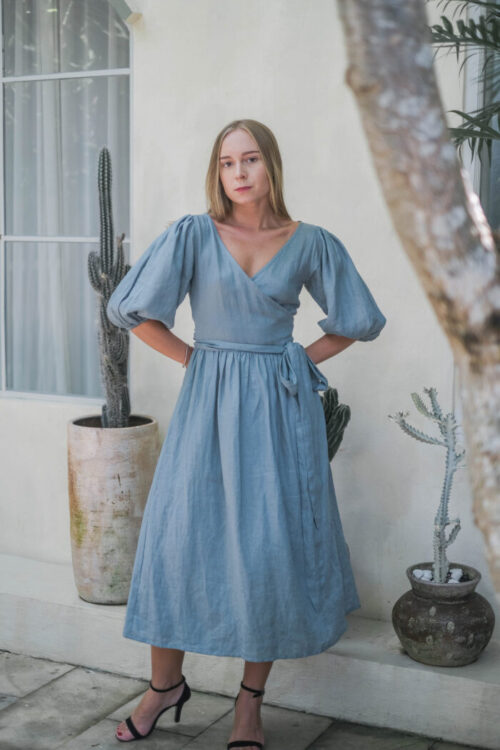
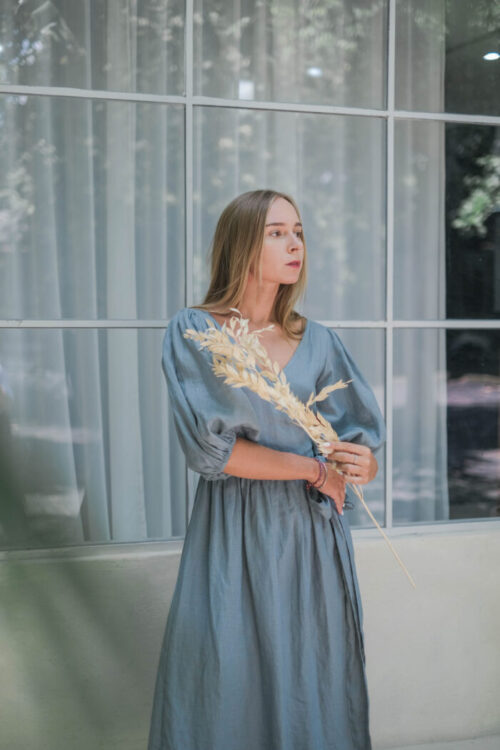
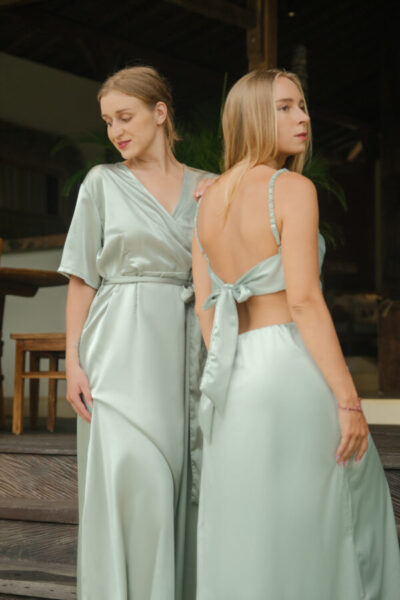
Organic cotton is widely used in clothing and home textiles where comfort, safety, and sustainability are priorities, including T-shirts, shirts, dresses, underwear, baby clothing, towels, bed linens, and loungewear; because it is free from harmful chemical residues, it is especially preferred for infant wear, medical and sensitive-skin textiles, and garments worn close to the body, and it is also commonly used in eco-friendly fashion collections, reusable shopping bags, and sustainable household products that support environmentally responsible living.
Key Variations of Organic Cotton Fabric
Organic cotton fabric is available in several forms, including organic cotton jersey for soft, stretchy everyday wear, organic cotton poplin for crisp shirts and dresses, organic cotton fleece for warm and comfortable sweatshirts and loungewear, organic cotton denim for durable and sustainable jeans, organic cotton muslin for lightweight and breathable garments and baby products, and organic cotton blends that include small amounts of elastane or other fibers to add stretch, durability, or functional performance while maintaining a high natural fiber content.
Unique Features
The uniqueness of organic cotton lies in the way it is produced rather than in the fiber itself. While it shares the same physical properties as conventional cotton, organic cotton is distinguished by its chemical-free cultivation and processing, making it healthier for both humans and the environment. The fabric often feels softer and more natural because it undergoes fewer harsh treatments. Its traceability and certification also set it apart, ensuring transparency and ethical production throughout the supply chain.
Modern Fashion and Trends
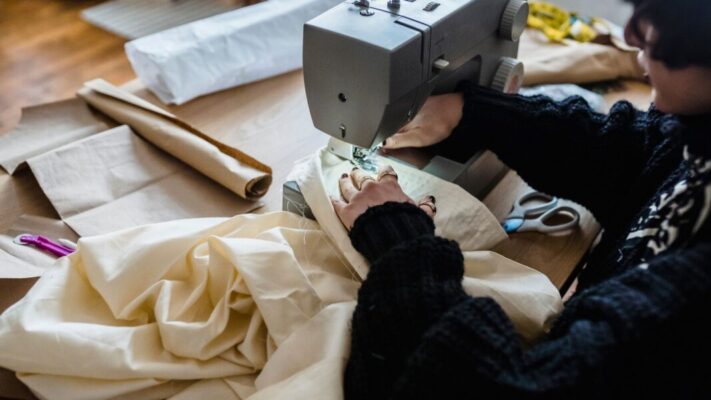
In modern fashion, organic cotton plays a major role in sustainable, ethical, and slow fashion movements. Many brands now prioritize organic cotton to reduce environmental impact and meet consumer demand for eco-conscious clothing. It is widely used in minimalist fashion, casual wear, athleisure, and baby clothing. Designers favor organic cotton for its natural texture, comfort, and versatility, often blending it with small amounts of stretch fibers to enhance fit while maintaining sustainability. As environmental awareness grows, organic cotton continues to gain importance in both mainstream and high-end fashion.
Care and Maintenance of Organic Cotton Fabric
Organic cotton fabric should be washed in cold or lukewarm water using mild, eco-friendly detergent, while bleach and harsh chemicals should be avoided to protect the fibers and preserve the fabric’s natural quality; air-drying is recommended whenever possible or tumble drying on low heat if needed, ironing can be done on medium heat, and garments should be stored in a clean, dry place to maintain freshness and prevent damage.
Organic cotton represents a balance between comfort, quality, and environmental responsibility. Its natural softness, breathability, and durability make it ideal for everyday use, while its sustainable production methods support healthier ecosystems and ethical labor practices. As demand for responsible textiles continues to grow, organic cotton remains one of the most important and trusted fabrics in modern textile and fashion industries.